The Weight of Presence
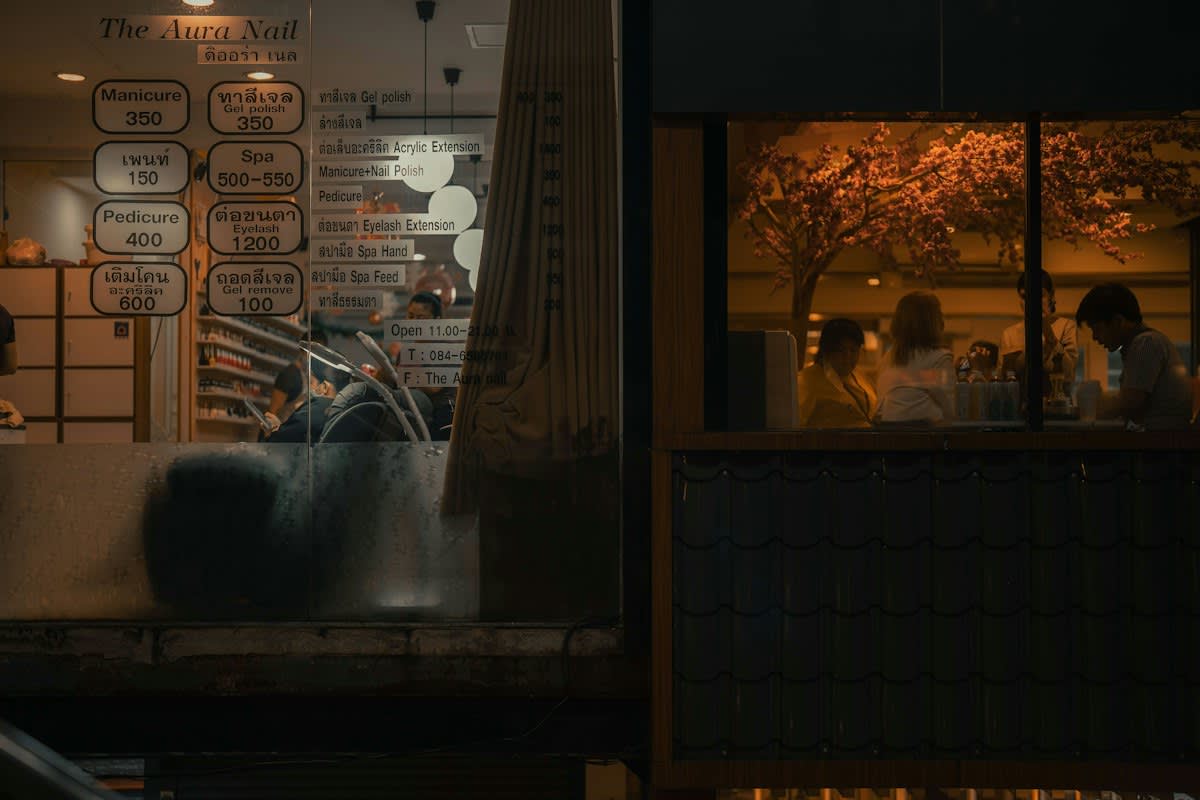
Boredom is a design choice. While most creators chase the immediate hit of a click, the true masters of space understand that value accumulates only when a visitor forgets the exit. True engagement requires a certain psychological weight. Space dictates behavior. When a person enters a Tokyo kissaten, the deliberate lack of loud music and the slow pour of coffee force a recalculation of their internal clock. The environment demands a slower pace.
Prerequisites for Lingering
Metrics often deceive. If you rely solely on bounce rates, you miss the silent observers who consume every word but never click a button (Source: NNGroup, 2023). Data needs context. You must define your anchor with precision. An anchor is the specific emotional or intellectual hook that justifies the time a visitor spends in your terrain. Without this, you offer only a void.
- Baseline engagement metrics (Session duration vs. Page views)
- A defined psychological anchor (The 'Why' of the stay)
- A map of cognitive load (Identifying fatigue points)
The Protocol for Extended Dwell
- Audit the Exit Triggers: Identify exactly where the user feels the urge to leave.
- Implement Cognitive Speed Bumps: Use unexpected patterns to break the automatic scroll or walk.
- Layer Information Density: Provide a mix of quick wins and deep dives to satisfy different cognitive speeds.
- Create Recursive Loops: Guide the user back to previous points with new perspectives to encourage re-exploration.
Speed bumps work. In Seoul, the high-density layout of Naver portals encourages a web of exploration that keeps users active for longer than minimalist Western sites (Source: Digital News Report, 2022). Complexity fosters curiosity. Why do we fear the clutter? When a user finds a hidden detail, they feel a sense of ownership over the discovery. This ownership bonds them to the space.
"A good city is like a good house: it starts with people."— Jan Gehl, Urban Architect at Gehl Architects
Layouts drive dwell. The Zócalo in Mexico City utilizes wide open spaces bordered by high-activity zones to keep pedestrians circulating in a slow, rhythmic loop. This pattern prevents the rush of transit. People linger because the terrain offers constant, low-stakes stimulation. It is a lesson in urban weight.
I once watched a product lead and a brand director scream at each other over a checkout page. The lead wanted a one-click Buy Now button to minimize the time between desire and purchase. The director argued that removing the About Our Craft section would destroy the emotional bond the customer felt. This clash represents the core struggle of dwell time: the war between efficiency and immersion.

Fact-Check & Accuracy Note
The debate over dwell time as a direct Google ranking signal remains unsettled. While some SEOs claim longer time-on-page correlates with higher rankings, Google representatives have historically denied using a single dwell time metric (Source: Search Engine Land, 2022). The academic consensus suggests that pogo-sticking—returning to search results immediately—is the actual negative signal.
Editorial Note
This guide treats dwell time not as a metric to be gamed, but as a cultural asset. We prioritize the human experience over the algorithmic trick.
Common Pitfalls
- Over-saturation: Too much noise creates mental attrition and drives users away.
- False loops: Leading a user in circles without adding value creates frustration.
- Anchor mismatch: Providing a deep dive for a user who only needs a quick answer.
- Forced stagnation: Using intrusive pop-ups to stop a user is not dwell time; it is a hostage situation.