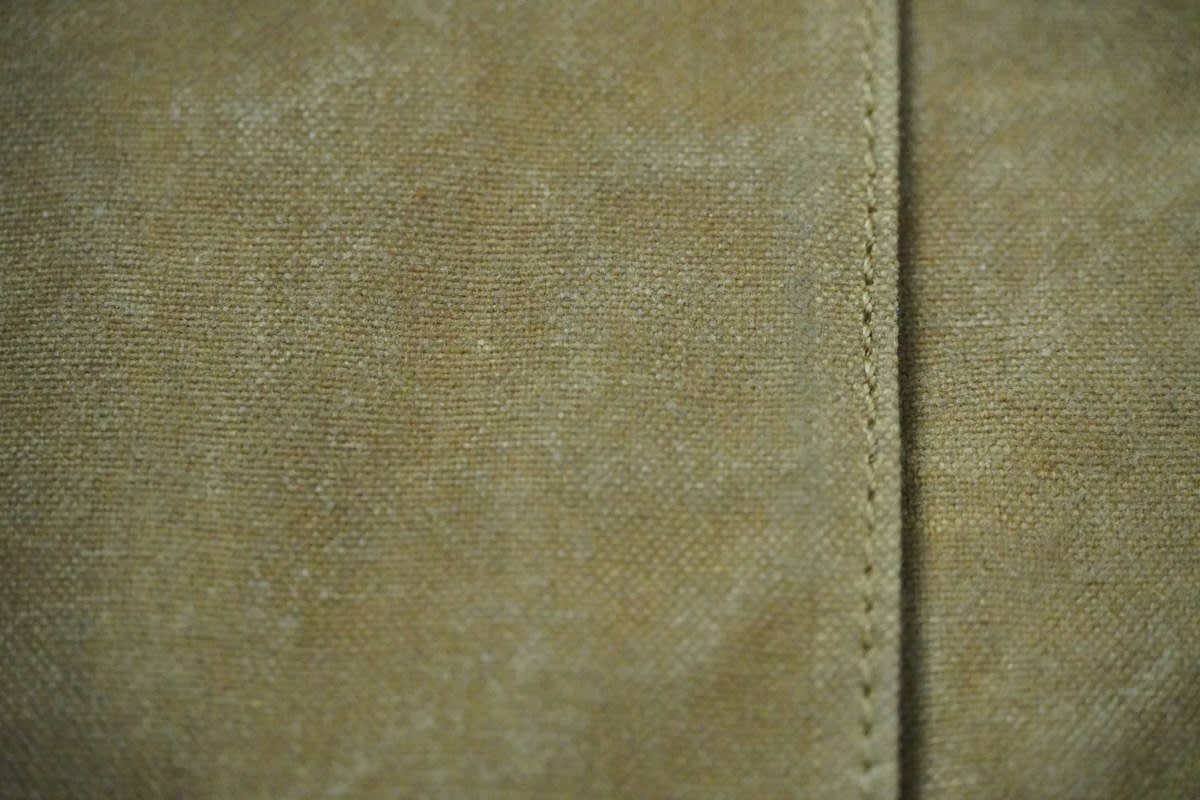
The seam deceives. While brands claim a specific thread count represents heritage, the reality is that automated machines now mimic hand-sewn irregularities to fool the untrained eye. Precision is now a performance. Value is gone. The consumer pays for the story of the artisan while the garment is actually assembled in a facility that prioritizes speed over structural integrity. Heritage is a marketing tool.
The Weight of Tradition
Weight defines value. In the workshops of Kyoto, the weight of a silk seam determines the drape of a kimono, a technicality that Western brands often ignore in favor of synthetic adhesives. This is a mechanical failure of taste. Logic has failed. When a luxury house replaces hand-stitching with heat-bonded seams, they remove the very soul of the garment to increase the margin. The ghost is gone.
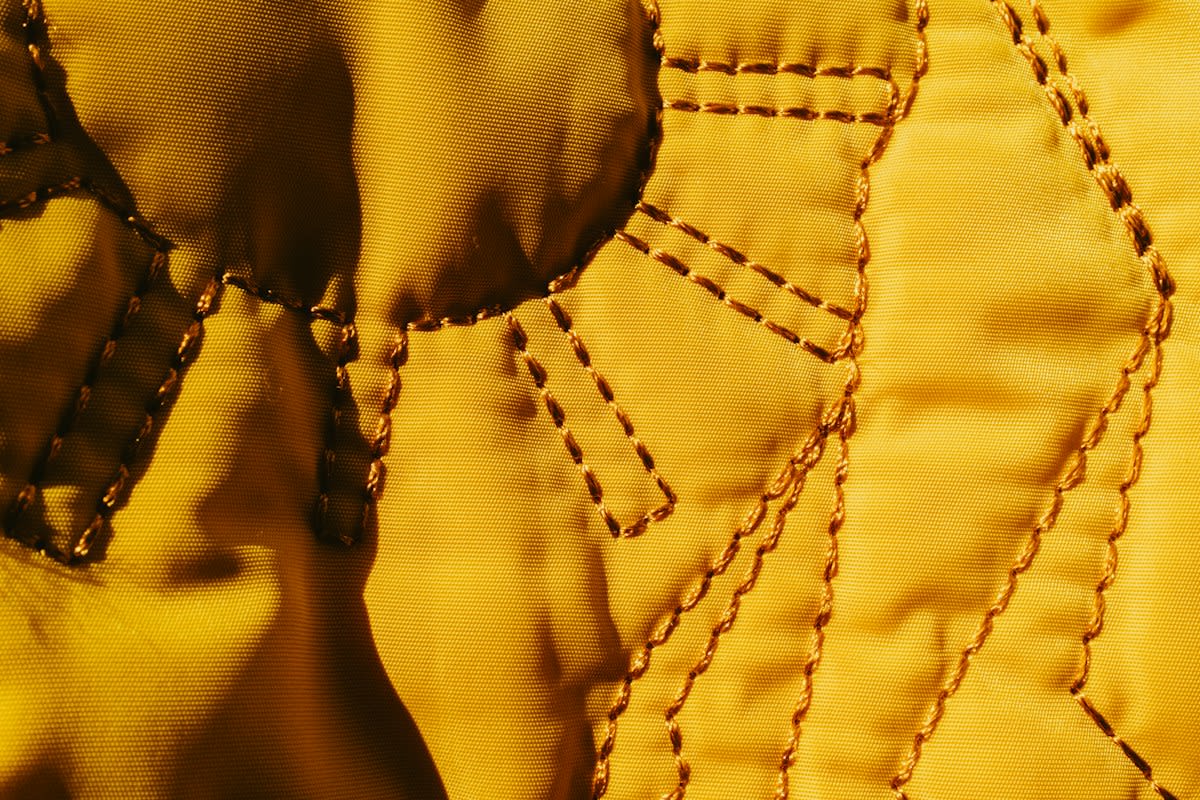
Costs are fake. Consumers pay a premium for the perceived weight of a garment, ignoring the fact that synthetic interlinings now provide the structure that once required hours of manual padding. Value is a ghost. The industry has shifted toward a default of efficiency over endurance. In Lagos, the finest tailors still fight this trend by insisting on canvas interiors that breathe and mold to the body over decades. This is true luxury.
"The modern luxury garment is often a shell of a shell, where the internal structure is sacrificed for a silhouette that looks good on Instagram but fails in the wind."— Elena Rossi, Master Tailor at Sartoria Napoletana
Standards are sliding. Recent data indicates that the average stitch density in luxury outerwear has dropped by 15% over the last decade to reduce production time (Source: BoF Insights, 2022). Speed kills quality. We see this in the fray of the seams on a three-thousand-dollar blazer that unravels after one season. The quality is a facade. This creates a structural break in the promise of longevity that luxury brands sell to the elite.
| Market Tier | Stitch Density (SPI) | Finishing Method | Avg. Labor Hours |
|---|---|---|---|
| Fast Fashion | 8-10 | Overlock | 0.5 |
| Premium | 12-14 | Bound | 3 |
| Ultra-Luxury | 18-22 | Hand-rolled | 40+ |
The battle rages. Inside the ateliers of Paris, a quiet war persists between the Chef d'Atelier, who demands a wider seam allowance for future alterations, and the Creative Director, who wants a slim fit that saves fabric. This is a clash of egos. The director sees the garment as a photograph, while the tailor sees it as a living object. Fabric is wasted. The resulting tension often leads to garments that cannot be tailored, effectively killing the item once the wearer's body changes.
The Global Web of Production
Geography is a mask. A label may say Made in Italy, but the initial assembly often occurs in workshops that saturate the local labor market with precarious contracts (Source: Vogue Business, 2024). The origin is a lie. By moving the complex seam work to lower-cost regions and only performing the final stitch in Europe, brands maintain the prestige of the label. The process is hollow. This web of production obscures the actual level of skill involved in the garment's creation.

Mumbai is key. The intricate embroidery and seam-work found in ultra-luxury gowns often originate in Indian workshops where the skill level far exceeds that of European houses (Source: Global Fashion Index, 2023). The credit is stolen. Western brands absorb this expertise and rebrand it as a house specialty, while the actual artisans remain anonymous. This is an economic theft. The logic of the seam is global, but the profit is concentrated in a few capitals.
Margins are obscene. The cost of materials and labor typically accounts for less than 10% of the retail price in the ultra-luxury segment (Source: Bain & Company, 2023). The rest is air. We are paying for the privilege of owning a logo that signals status to others. This is a game of perception. The actual technical merit of the seam is irrelevant to the board of directors.
The Future of Craft
Tech is coming. 3D knitting and automated precision are beginning to replace the need for traditional seams entirely. The hand is obsolete. While some call this progress, it removes the human error that gives a garment its unique character. Perfection is boring. We are moving toward a world where luxury is defined by the absence of a seam rather than the quality of one.
Survival is hard. Only the houses that embrace a hard turn toward radical transparency will maintain their staying power in a market of skeptical Gen Z buyers. The secret is out. When a brand reveals the exact hours spent on a single shoulder seam, they regain trust. Honesty is the new luxury. This is the only way to escape the cycle of planned obsolescence.
Fact-Check & Accuracy Note
The debate over handmade vs hand-finished remains a central point of contention in luxury auditing. Many brands claim a garment is handmade when only the final buttons or hems are finished by hand, while the primary structural seams are machine-made. Verifiable sources from the Chambre Syndicale de la Haute Couture maintain strict definitions, but these are rarely applied to ready-to-wear luxury lines.
The playbook changes. Savvy collectors are now ignoring the brand name and instead looking at the internal finishing of the garment. The inside tells all. A clean, bound seam is a sign of a house that still cares about the wearer. The label is a distraction. True quality is found in the places the camera never sees.
Editorial Governance
Editorial Note: This analysis focuses on the technical degradation of luxury construction. It does not suggest that all luxury goods are poor quality, but rather that the gap between marketed craftsmanship and actual production is widening.