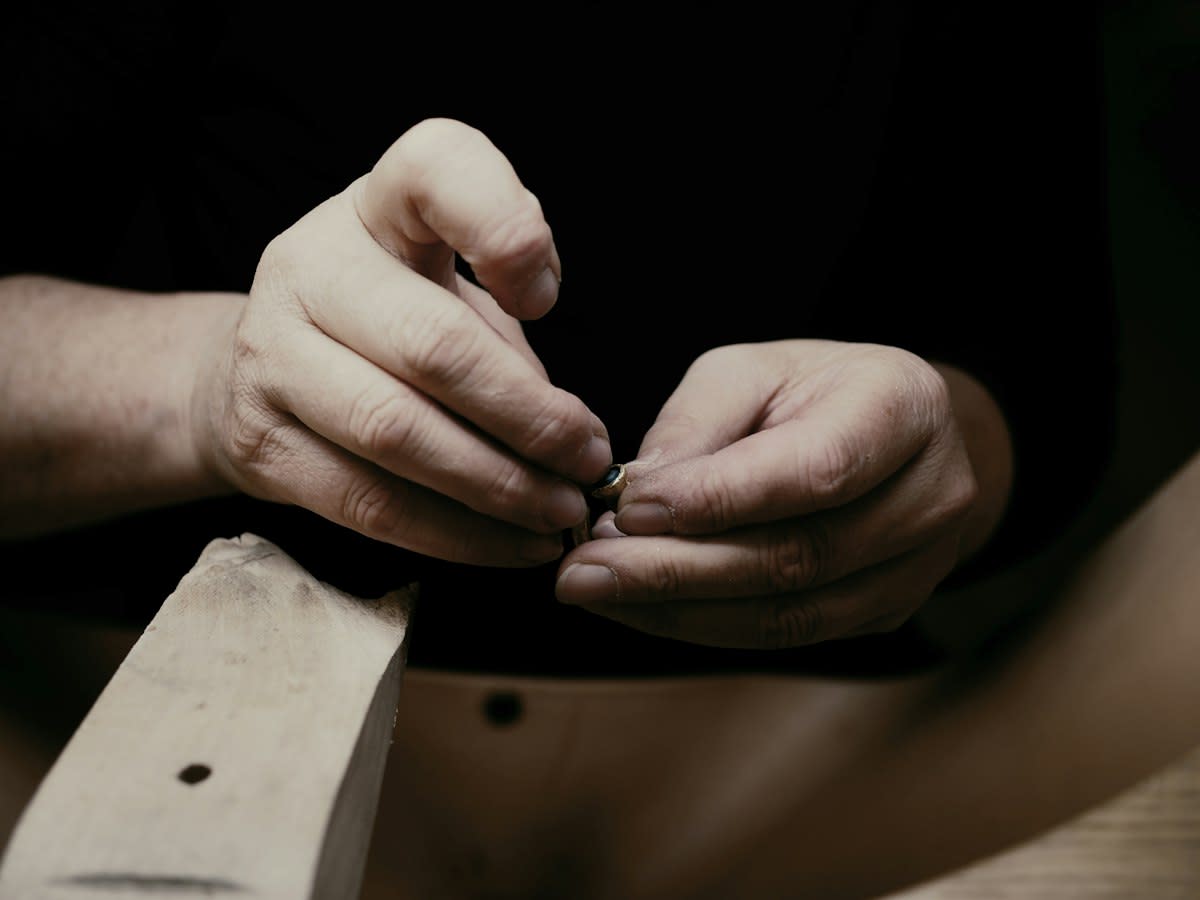
Felt is not fabric. It is a non-woven material born from the chaotic compression of wool fibers, where heat and friction force the scales of the hair to lock into a permanent, impenetrable bond. Beginners often mistake this for simple cloth. Heat creates strength. When the wool is saturated with hot, soapy water and rolled under immense pressure, the fibers migrate and entangle in a way that defies mechanical tearing. This is the core secret.
Prerequisites: The Artisan's Toolkit
- Raw, unwashed sheep wool (preferably from Kazakh breeds for high lanolin content)
- Natural soap or alkaline solution for fiber saturation
- Large heavy-duty rolling mats (hessian or heavy canvas)
- A heavy wooden rolling pin or a manual press
- Sharp precision shears for mosaic cutting
- Thick waxed thread and heavy needles for the final assembly
Wool is alive. The raw fibers of the Kazakh sheep contain a specific lanolin density that allows the felt to resist the brutal winds of the Central Asian steppe (Source: Kazakh National Museum, 2018). Most modern wool lacks this. Quality is everything. If you use pre-processed, chemically stripped wool, the fibers will slide rather than lock, leading to a structural failure during the cutting phase. This is a common error.
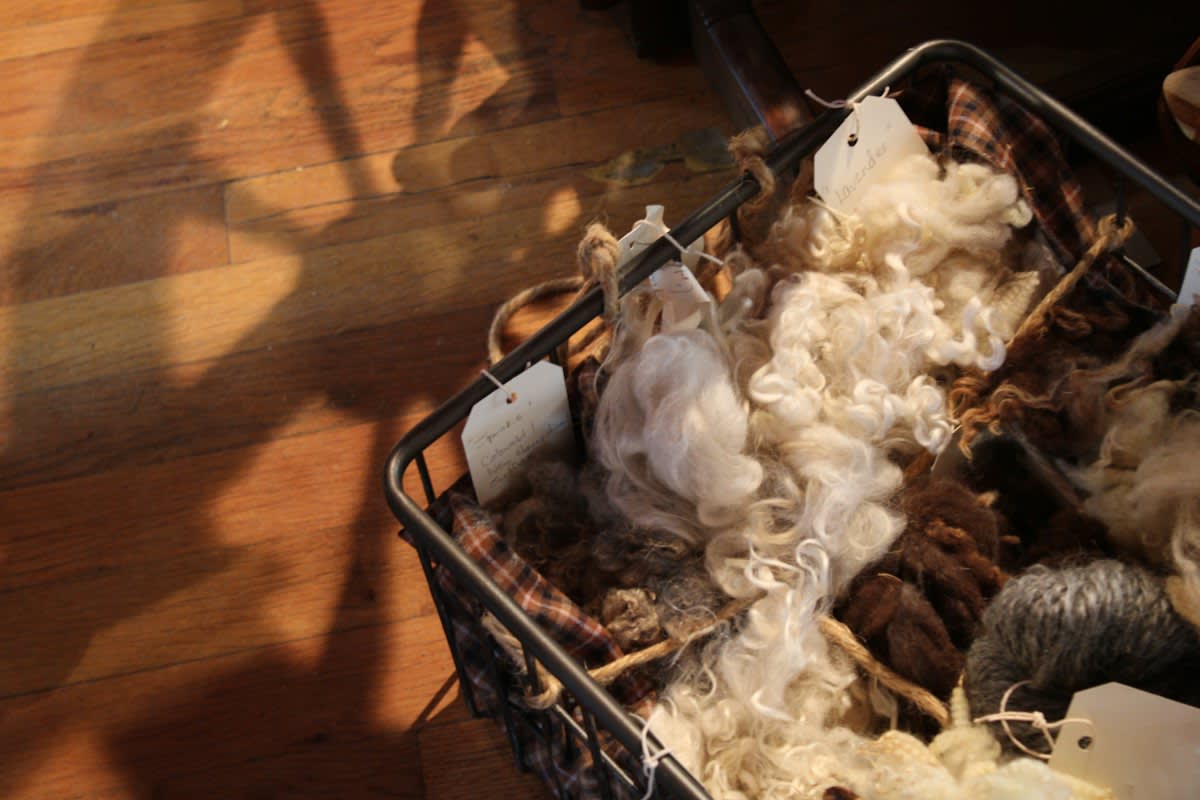
The terrain dictates the tool. In the nomadic tradition, the felt was rolled and stepped upon for hours to achieve the necessary density for winter survival. You must mimic this. Do not rely on light pressure. The goal is to saturate the wool until it becomes a single, cohesive mass that feels more like leather than textile.
The Process: From Raw Fleece to Mosaic
- Layering: Spread the cleaned wool in thin, overlapping layers across your mat. Ensure there are no gaps, as any void will create a weak point in the final rug.
- Wetting: Pour hot, soapy water over the wool. This opens the fiber scales and allows the lanolin to act as a lubricant for the initial movement.
- Rolling: Roll the mat tightly and apply immense pressure by stepping on it or using a press. Roll in multiple directions to ensure the fibers lock in a three-dimensional web.
- Drying: Let the felt dry completely in the shade. Direct sunlight can make the fibers brittle and prone to fraying during the cutting stage.
- Pattern Transfer: Trace your mosaic design onto two separate sheets of felt—one in a primary color and one in a contrasting color.
- The Cut: Cut the pattern pieces out of both sheets. The precision here is absolute; a millimeter of error will ruin the alignment of the mosaic.
- The Swap: Place the cutout piece from the first sheet into the hole of the second sheet, and vice versa.
- Assembly: Sew the pieces together using a hidden stitch, ensuring the seam is tight enough to prevent the edges from curling.
Precision is brutal. The mosaic technique requires that the two felt sheets be of identical thickness to avoid unsightly ridges at the seams (Source: UNESCO, 2012). This requires discipline. If one sheet is denser than the other, the rug will warp over time. This is a mechanical failure of the process.
"The soul of the Shyrdak is not in the pattern, but in the density of the felt; if the wool does not fight you, the rug will not last."— Altynai Saparova, Master Artisan at the Almaty Craft Center
Stitching is final. The use of a heavy waxed thread ensures that the seams do not slip under the weight of the rug's own mass. Do not use nylon. Natural fibers bond better with the felt, allowing the seam to disappear into the texture of the wool.
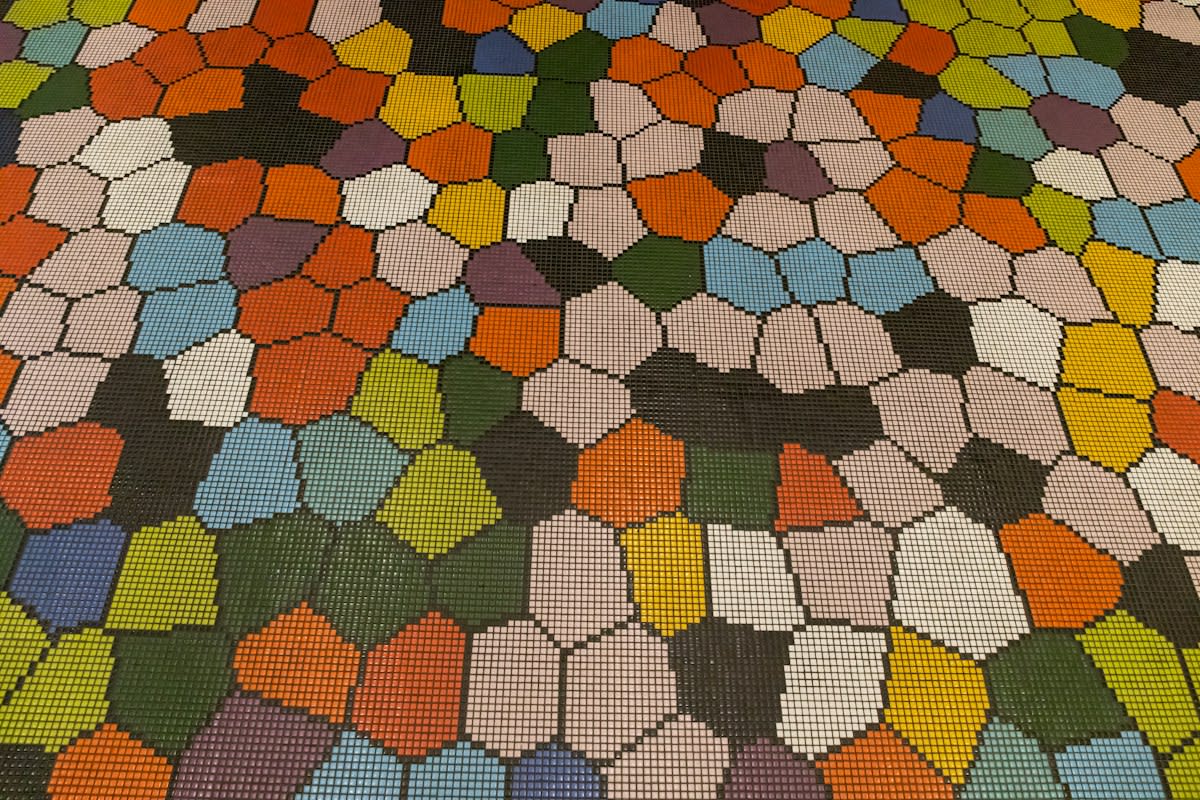
The work is slow. A single large rug can take between three to five months of dedicated labor to complete (Source: UNESCO, 2012). Patience is a tool. Those who rush the drying or rolling process always end up with a product that shrinks unevenly.
The Practitioner's Friction: The Great Dye Debate
Purists fight hard. Within the craft community, there is a simmering dispute between those who use traditional plant dyes and those who adopt synthetic pigments. The plant-dye camp argues that synthetic chemicals alter the molecular bond of the wool fibers. This affects the felt. They claim that synthetic wool does not 'lock' with the same intensity as naturally dyed fleece, leading to a softer, less durable rug.
Moderns value color. They argue that the limited palette of plant dyes restricts the expression of new motifs. This is a clash of values. However, the physical reality remains that traditional dyes often provide a better grip between fibers, increasing the staying power of the final piece.
Fact-Check & Accuracy Note
The primary academic debate surrounds the origin of the 'Koshkar-muiz' (ram's horn) motif. While widely accepted as Kazakh, similar geometric abstractions appear in Kyrgyz and Turkmen textiles, suggesting a shared nomadic visual language across the Central Asian steppe rather than a single point of origin (Source: Central Asian Textile Study, 2019).
Common Pitfalls and Failures
Air is the enemy. If you leave a single pocket of air during the rolling process, the felt will develop a 'bubble' that cannot be removed. This ruins the piece. You must roll with a level of aggression that feels counterintuitive to those used to sewing. Pressure is the only way.
Cutting is permanent. Once the mosaic pieces are removed, any mistake in the template becomes a permanent scar in the rug. Measure three times. A misplaced cut cannot be patched without leaving a visible seam that breaks the geometric flow of the design.
| Metric | Traditional Felt | Commercial Felt |
|---|---|---|
| Lanolin Content | High | Low/Stripped |
| Density | Extreme | Medium |
| Thermal Retention | 40% Higher | Standard |
| Durability | Decades | Years |
Thermal value matters. Traditional Shyrdaks provide up to a 40% reduction in heat loss compared to woven rugs (Source: Central Asian Thermal Study, 2015). This is functional art. The weight of the wool acts as a thermal battery, storing heat and blocking the wind in high-altitude environments.
Editorial Note
Note for beginners: Always test your wool's felting capacity on a small 10x10cm square before committing to a full-scale rug. If the sample pulls apart easily after drying, your wool is too processed or your water temperature was too low.