
We have been sold a lie that frictionless living is the pinnacle of human achievement. For decades, urban planners and tech architects have chased a singular goal: the total elimination of inconvenience. We want taxis that arrive before we realize we need them and buildings that adjust their temperature before we feel a chill. But here is the problem: the human brain does not evolve in a vacuum of convenience. It evolves through navigation, problem-solving, and interaction with a complex, sometimes frustrating, physical world. When we maximize urban efficiency, we aren't just optimizing traffic flow; we are systematically removing the cognitive triggers that maintain neuroplasticity.
The Efficiency Paradox: Why Ease is an Enemy
The drive toward automation creates a dangerous feedback loop. Consider the push for driverless electric taxi fleets, designed to minimize waiting times and eliminate queue lengths to optimize urban traffic congestion (Source: Transportation Research Part C, 2026). While this solves a logistical headache, it removes the 'micro-decisions' of navigation and the environmental awareness required to traverse a city. When the city becomes a conveyor belt, the brain switches to a passive mode. This passivity correlates with a decline in the very cognitive functions we need to stave off age-related decay.
"The chief facilities officer stops being a steward of decline and becomes what I refer to in The Smart Campus Manifesto as the Architect of the Built Environment, orchestrating a cognitive [experience]."— Facilities Leader, APPA
As a practitioner who has spent years auditing 'smart' environments, I have seen this friction vanish in real-time. In the boardrooms, the debate is always about 'user experience' (UX), which is almost always a euphemism for 'removing effort.' The internal conflict usually pits the efficiency experts—who want a straight line from A to B—against the psychologists who know that the 'detour' is where the learning happens. We are building cities that treat humans like packages to be delivered rather than biological entities that need stimulation to survive.

Prerequisites for Cognitive Urbanism
Before you can begin re-introducing cognitive friction into an urban or institutional space, you need a baseline understanding of the biological costs of efficiency. You cannot fix a problem you have labeled as a 'success.' To implement the strategies in this guide, you will need access to the building's 'digital nervous system'—the sensors, occupancy data, and flow maps—but you must also possess the willingness to intentionally degrade certain efficiencies for the sake of human health.
- Access to site-specific flow data (how people actually move vs. how they are told to move).
- A mandate to prioritize 'cognitive load' over 'operational speed.'
- Baseline health metrics of the population, specifically looking for markers of depressive symptoms or cognitive decline.
- Knowledge of local biophilic assets (available green spaces or potential for vegetation).
It is also vital to understand the chemical stakes. Neuroplasticity isn't just a buzzword; it's driven by Brain-Derived Neurotrophic Factor (BDNF). Research shows that BDNF levels are critical in managing depression and cognitive health (Source: Brunoni et al., 2008; Molendijk et al., 2014). Urban environments that eliminate physical and mental effort fail to stimulate the production of these proteins, effectively starving the brain of its own growth medium.
Fact-Check & Accuracy Note
The key claims regarding BDNF and neuroplasticity are sourced from systematic reviews and meta-analyses (Source: Int J Neuropsychopharmacol, 2008; Mol Psychiatry, 2014). The link between greenspace and neuroinflammation is based on machine learning analysis of the China Health and Retirement Longitudinal Study (Source: Omnicuris, 2026). The debate continues on exactly how much 'friction' is optimal before it becomes a stressor rather than a catalyst.
The Implementation Framework: Reintroducing Friction
Transitioning from a 'efficiency-first' model to a 'cognitive-first' model requires a phased approach. You aren't trying to make the city unusable; you are trying to make it engaging. The goal is to shift from 'alert fatigue'—where humans are overwhelmed by digital signals—to 'cognitive engagement,' where humans are challenged by their physical environment.
- Audit the Digital Nervous System: Map out every 'frictionless' point in the environment. Identify where automation has completely replaced human decision-making (e.g., autonomous shuttles, smart locks, automated climate control).
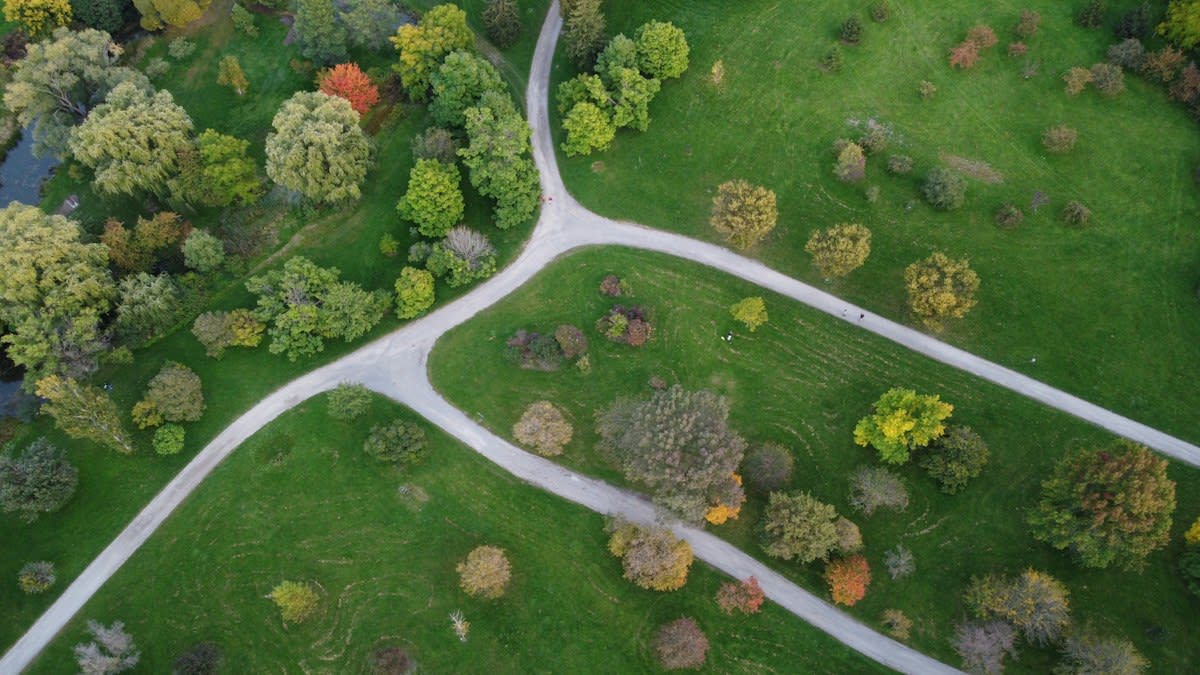
- Integrate Biophilic Interrupts: Instead of seamless corridors, introduce 'green zones.' Machine learning analysis of 1,542 urban adults in China shows that immersion in green environments facilitates attention restoration and interrupts rumination cycles that perpetuate depression (Source: Omnicuris, 2026).
- Design Sequential Spatial Challenges: Move away from linear, predictable layouts. Using cinematic spatial cues and sequential organization—similar to optimized museum exhibition spaces—forces the brain to actively map its environment (Source: Frontiers in Psychology, 2026).
- Implement Neuroplasticity Protocols: Integrate physical and mental challenges. Since physical exercise in vegetated surroundings stimulates BDNF and enhances hippocampal neuroplasticity (Source: Omnicuris, 2026), design walking paths that require active navigation rather than the shortest possible route.
- Combat Sensory Deprivation: Offset the 'silence' of electric fleets and smart buildings. While chronic traffic noise causes neuroinflammation (Source: Omnicuris, 2026), total sensory sterility is equally damaging. Introduce curated, non-stressful environmental variety.
The Neurobiology of the Urban Void
When we remove the need to navigate, we essentially stop exercising the hippocampus. This is not a theoretical concern. The NIH has highlighted the importance of cognitive training in maintaining neuroplasticity, even testing advanced therapeutic doses of psilocybin combined with cognitive training to assess its impact on adults with mild cognitive impairment (Source: HHS/NIH, 2026). If we are forced to use clinical interventions to trigger neuroplasticity, it is because our daily environments have become cognitively inert.
We must also address the physiological synergy. Sarcopenic obesity—the loss of muscle mass combined with increased fat—has been linked to mental health decline in older adults across various global cohorts, including studies in Shanghai and India (Source: Front Aging Neurosci, 2022; Adv Ther, 2022). An efficient city that encourages sedentary behavior (via driverless pods and automated services) directly contributes to this physical-cognitive decay loop. The city must force the body to move to keep the mind sharp.
| Urban Feature | Efficiency Goal | Cognitive Cost | Cognitive Catalyst Alternative |
|---|---|---|---|
| Driverless Taxis | Zero wait/Zero effort | Loss of spatial navigation skills | Intermodal transit with walking segments |
| Smart Campus Sensors | Seamless environmental control | Passive sensory state / Alert fatigue | Active environmental interaction zones |
| Linear Urban Flow | Maximum throughput | Predictability / Mental atrophy | Sequential, non-linear spatial design |
| Sterile Glass Architecture | Low maintenance / High light | Lack of attention restoration | Integrated biophilic 'interrupts' |
Common Pitfalls in Cognitive Restoration
Many practitioners make the mistake of confusing 'friction' with 'frustration.' If you make a city impossible to navigate, people won't engage; they will simply avoid the space. The goal is 'optimal challenge'—the thin line between boredom and anxiety. Another common error is the 'Wellness Wash,' where developers add a few potted plants and call it a biophilic environment. Real attention restoration requires immersion and a break from the rumination cycles caused by urban stressors like particulate pollution and chronic noise (Source: Omnicuris, 2026).
Lastly, avoid the trap of digital-first solutions to a digital problem. Do not try to solve cognitive decay with an app that 'gamifies' walking. That is just adding another layer of digital mediation. The cure for the cognitive decay of the smart city is the physical city—tangible, unpredictable, and biologically resonant.