Why popular airplanes are getting scrapped years early
Source Entity
US Top News and Analysis
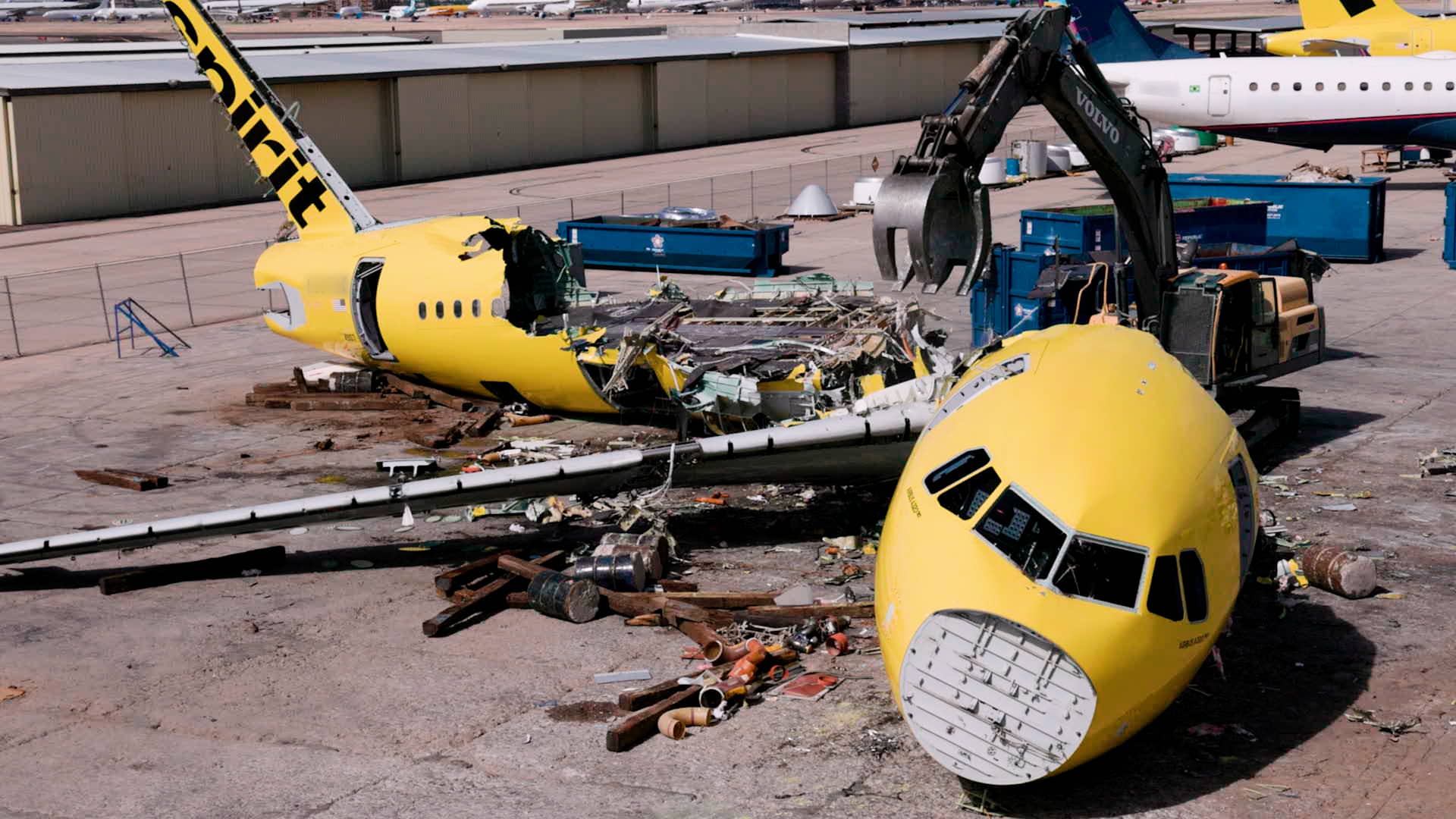
A global shortage of aircraft parts, particularly engines, is forcing airlines to scrap relatively new planes for salvage. This trend highlights severe supply chain bottlenecks impacting the aviation industry's operational capacity.
The Premature End of Aviation Assets
In a striking reversal of traditional aviation lifecycle management, modern aircraft are increasingly being dismantled years before their expected retirement. A notable case involves an Airbus A320neo, manufactured in 2022, which was stripped for parts and destroyed just four years later. This phenomenon, centered at facilities like those in Goodyear, Arizona, signals a profound shift in how airlines manage their fleets in the face of acute supply chain pressures.
The Engine Scarcity Crisis
At the core of this trend is a severe and persistent shortage of aircraft components, with engines representing the most critical and high-value bottleneck. The aviation industry typically relies on long-term maintenance cycles to maximize the utility of these expensive assets. However, the current inability of manufacturers to keep pace with demand has forced operators to treat even brand-new aircraft as immediate sources of spare parts to keep the remainder of their fleets operational.
Economic Implications of Part Harvesting
For airlines, the decision to scrap a relatively new plane is a calculated economic trade-off. When an engine or landing gear is unavailable through standard supply chains, the cost of an aircraft being grounded—resulting in canceled flights and lost revenue—far outweighs the remaining book value of a single airframe. By cannibalizing newer models, airlines can secure the necessary hardware to maintain flight schedules, albeit at the cost of long-term fleet growth and capital investment efficiency.
Broader Supply Chain Disruptions
The scarcity of parts reflects a broader, systemic issue within the aerospace manufacturing ecosystem. Even after engines are harvested, the demand remains high for secondary components, including landing gear and avionics. This indicates that the supply chain strain is not limited to a single vendor or component type but is widespread, affecting the entire maintenance, repair, and overhaul (MRO) sector.
Future Trends and Industry Outlook
As airlines continue to prioritize short-term operational continuity, we can expect this trend of early-life scrapping to persist until manufacturing output stabilizes. This creates a challenging environment for aviation planning, as the traditional model of decade-long depreciation cycles is disrupted. Moving forward, the industry may need to re-evaluate how it stocks critical spares and manages the supply chain to prevent the loss of high-value assets that were originally intended to serve for decades.