Four feet a year: How the Dead Sea is running out of water
Source Entity
AADRITA HALDER
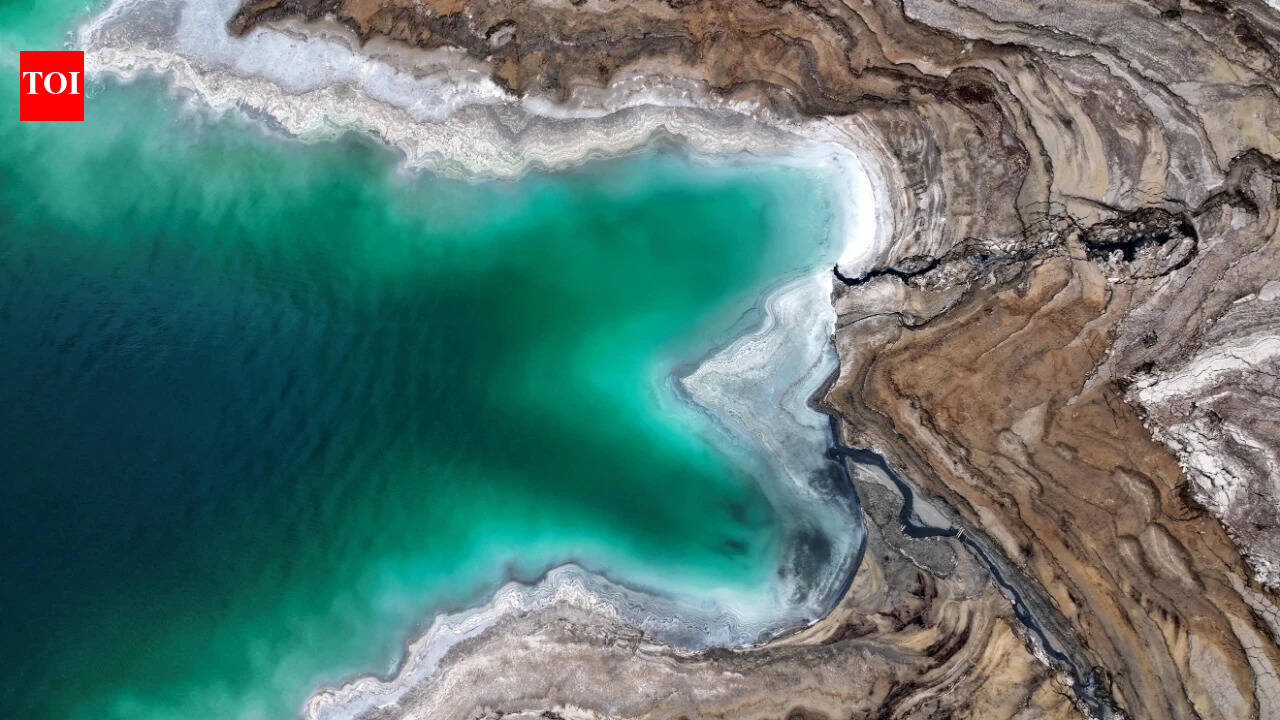
The Dead Sea is rapidly shrinking due to climate change, diverted water sources, and environmental instability. This decline is causing hazardous sinkholes and forcing a shift in regional tourism toward artificial basins.
The Vanishing Horizon: The Crisis of the Dead Sea
The Dead Sea, Earth's lowest terrestrial point at approximately 1,400 feet below sea level, is currently undergoing a catastrophic environmental transformation. Once a robust body of water, it is now retreating at a rate of four feet per year, leaving behind a landscape defined by instability and ecological decline. This process is not merely a seasonal fluctuation but a systemic collapse of a unique hydrologic system.
The Anatomy of a Shrinking Sea
At the heart of the crisis is the disconnect between the sea and its primary tributary, the Jordan River. Historically, the river provided the freshwater inflow necessary to maintain the sea's equilibrium. Today, that river barely reaches the basin, as upstream water diversion for agriculture and industry has severely restricted flow. This lack of inflow, coupled with the extreme natural evaporation rates inherent to the region’s climate, has created a negative water balance that the sea cannot overcome.
Climate Change and Regional Stress
Climate change serves as a threat multiplier in this arid region. As droughts become more frequent, fiercer, and more prolonged, the natural replenishment cycle of the Dead Sea is further compromised. The geopolitical complexity of the region—where Israeli, Jordanian, and Palestinian territories intersect—complicates any unified environmental strategy. With "many owners" of the resource, the lack of a cohesive, transboundary management policy has allowed the environmental degradation to continue unabated.
Geologic Hazards: The Sinkhole Epidemic
As the water level drops, the receding shoreline leaves behind vast deposits of salt that were previously submerged. Groundwater now dissolves these salt layers, creating subterranean voids that cause the ground to collapse unexpectedly. These sinkholes, famously documented near sites like Ein Gedi, represent a direct physical threat to infrastructure, tourism, and human safety, fundamentally altering the geography of the shoreline.
Economic Shifts and the Future of Tourism
The tourism industry, a vital economic pillar for the surrounding nations, is being forced to adapt to this new reality. Traditional resorts and beaches are increasingly isolated from the water, leading to a migration of commercial activity toward artificial pools that are managed independently of the sea’s natural level. This shift highlights a transition from a natural wonder to a managed, industrial-style environment.
Conclusion: A Future in the Balance
The future of the Dead Sea remains precariously balanced between environmental collapse and potential, albeit difficult, restorative efforts. Whether the sea continues to sink or finds a new, smaller equilibrium depends on international cooperation and the ability to address the root causes of water depletion. Without significant intervention, the lowest place on Earth may continue to sink, not just in elevation, but in its capacity to support the ecosystem and economy that have relied upon it for millennia.