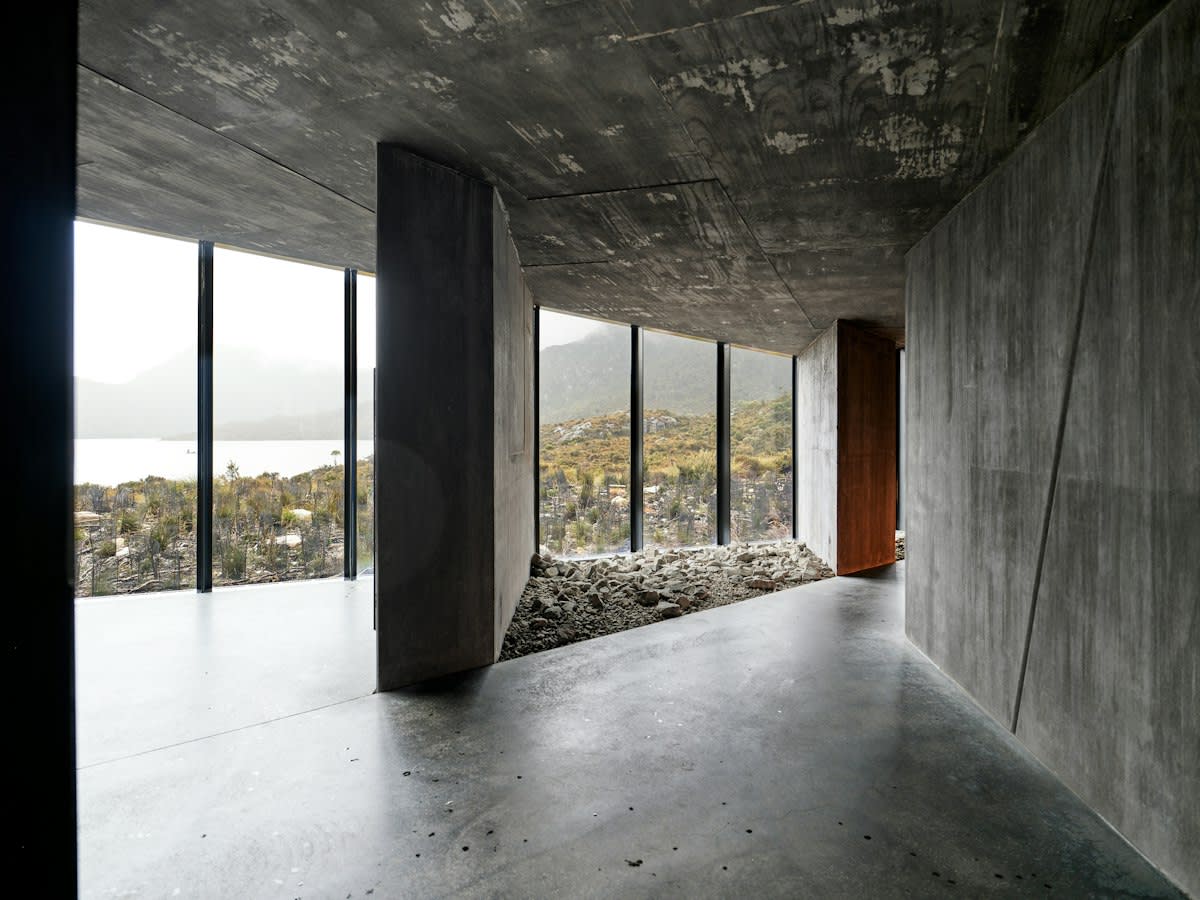
We have been sold a lie that minimalism is a democratic path to peace. The prevailing narrative suggests that by purging our closets and clearing our countertops, we unlock a latent state of psychological clarity. But look closer at the rooms we are told to emulate. They are not the homes of the truly dispossessed; they are the sanctuaries of the ultra-wealthy. Why does the 'minimalist' aesthetic always coincide with high-end materials, expansive square footage, and a seamless integration of invisible technology? The reality is that minimalism has shifted from a philosophy of subtraction to a luxury performance of curation.
This is not a localized trend. In China, recent studies on minimalism and personal well-being highlight how these trends are integrating into the broader social fabric (Source: Journal of Human Behavior in the Social Environment, 2024). Yet, there is a jarring contradiction between the academic ideal of 'voluntary simplicity' and the commercial reality of 'minimalist design.' When the goal is to own fewer things, the pressure to ensure those remaining things are perfect, expensive, and aesthetically aligned becomes an obsession. We aren't reducing consumption; we are intensifying the criteria for what we consume.
The Aesthetic of the Void
The current fascination with Brutalism—the use of raw concrete and stark, imposing forms—perfectly illustrates this shift. What was once a utilitarian architectural movement is now a status symbol for those who can afford to live in 'raw' spaces. The appeal lies in the juxtaposition of material coldness against a backdrop of digital noise and commercial polish. It is a return to simplicity that requires an immense amount of architectural intent and financial backing to execute without feeling like a parking garage.
"I think the optimism of a new world that the original movement was imbued in ties into this—it’s about looking forward in a positive way through an aesthetic."— Max Radford, Gallerist
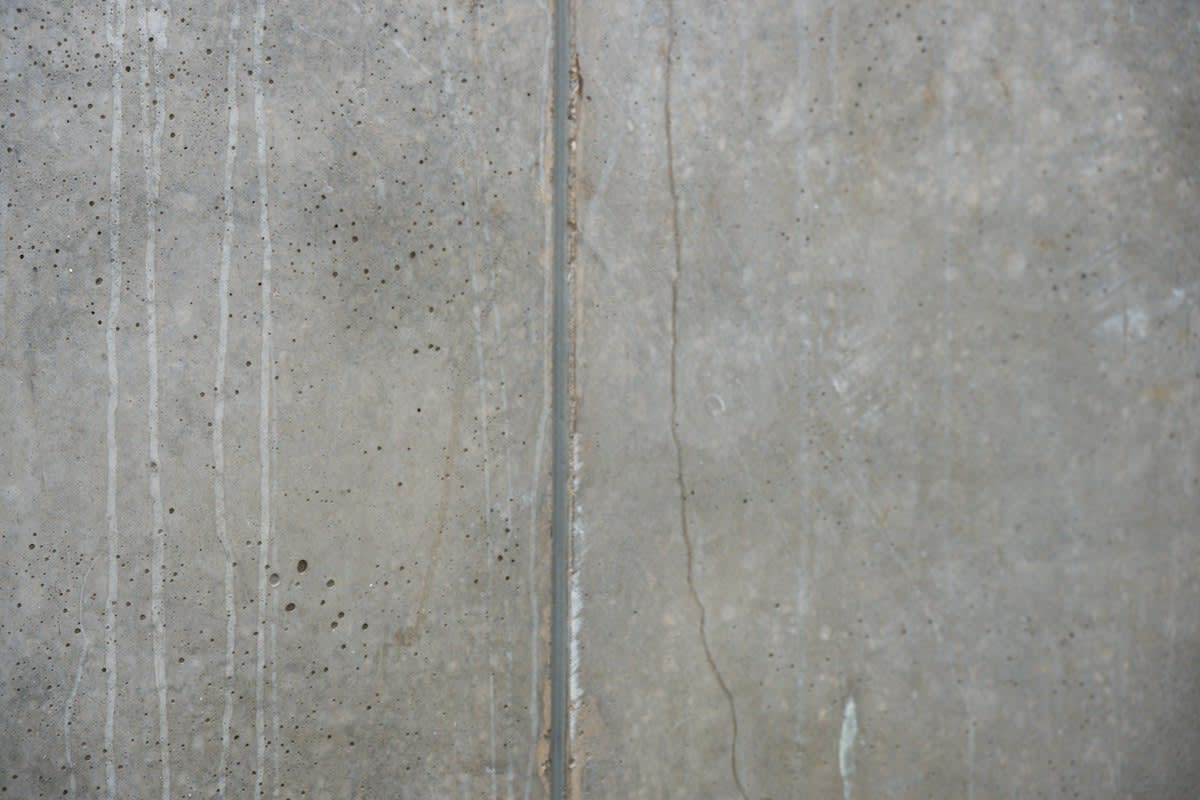
Does this aesthetic actually provide the promised clarity? Research into the environmental impact and well-being benefits of minimalism suggests a complex relationship between low consumption and life satisfaction (Source: Journal of Environmental Psychology, 2025). While reducing carbon emissions is a theoretical outcome of a low-consumption lifestyle (Source: Wiley Interdisciplinary Reviews: Climate Change, 2024), the 'performance' of minimalism often involves replacing functional, cheap goods with 'investment pieces' that are marketed as sustainable but carry a premium price tag.
This transition from habit to status symbol is most evident in the 'glow-up' of everyday categories. Take oral care, for instance. What was once a forgettable daily chore has been repositioned as a moment of self-care and identity. The entry of Dyson into this space with an AI-powered toothbrush priced at £419.99 transforms a basic hygiene tool into a design status symbol (Source: Cosmetics Business, 2026). This is the essence of luxury minimalism: the object is stripped of unnecessary ornamentation, but its price is inflated by the 'performance' of its engineering and the prestige of its brand.
| Metric | Voluntary Simplicity (The Ideal) | Performance Minimalism (The Reality) |
|---|---|---|
| Primary Motivation | Psychological liberation/Ethics | Aesthetic signaling/Status |
| Cost of Entry | Low (requires letting go) | High (requires curated purchases) |
| Visual Marker | Functional absence | Expensive 'raw' materials |
| Consumption Pattern | Reduced total volume | High-value, low-volume replacement |
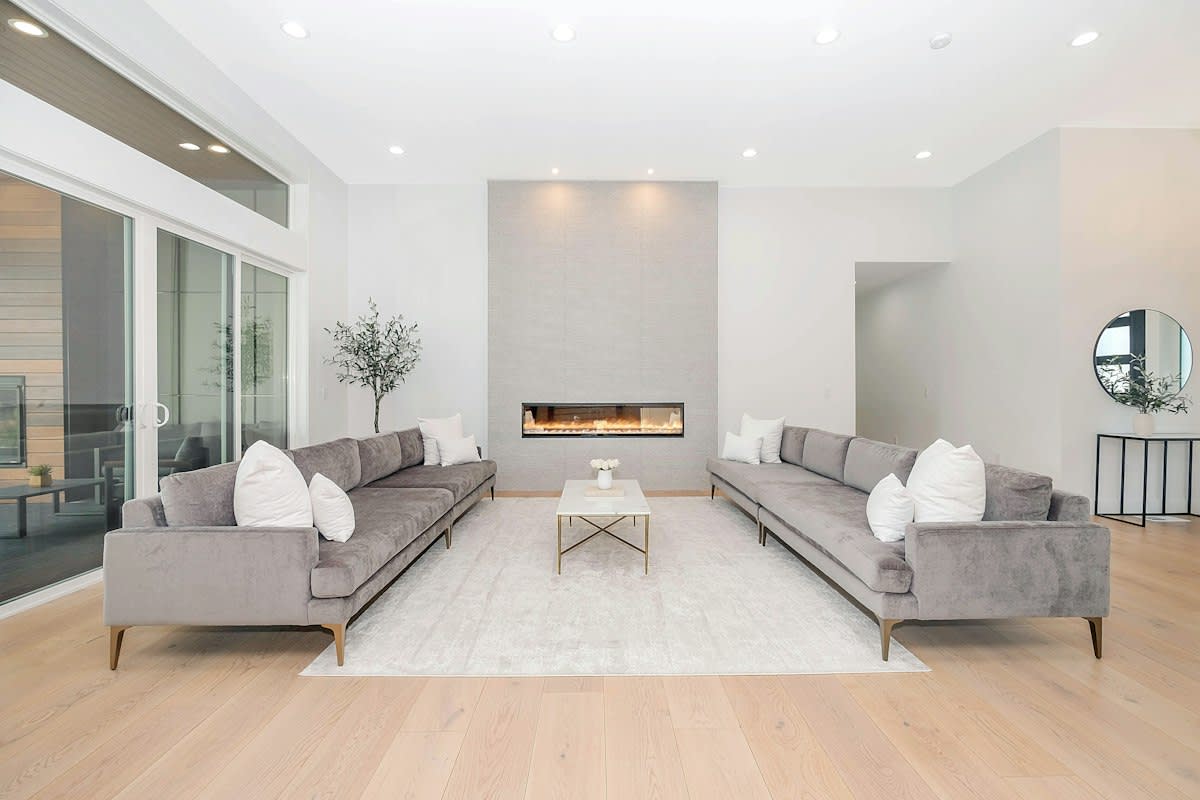
The friction here is systemic. When we treat minimalism as a lifestyle brand, we create a new hierarchy of consumption. The ability to live in a sparse, white-walled apartment in a dense city like Tokyo or New York is not a sign of detachment from materialism—it is a sign of extreme wealth. Space is the ultimate luxury. To leave a room empty is to signal that you can afford the waste of square footage.
From my years analyzing these shifts, I've noticed an invisible friction that practitioners rarely admit. Inside the design and curation world, the debate isn't about how to help people live with less; it's about how to price the 'absence' of things. There is a specific, grueling labor involved in maintaining a minimalist home. It requires a constant, aggressive cycle of purging and a relentless search for the 'one perfect object' to replace ten mediocre ones. This 'curation anxiety' often replaces the clutter of the physical world with a clutter of mental perfectionism.
We must also question the psychological drivers at play. If we look at human motivation through the lens of Self-Determination Theory (SDT), we can distinguish between intrinsic motivation—doing something for its own sake—and extrinsic motivation, which is driven by external rewards or status (Source: IJFMR, 2026). Much of today's minimalism is extrinsically motivated. It is not about the internal feeling of lightness, but about the external perception of being 'disciplined' or 'evolved.' This turns a path to clarity into a treadmill of aesthetic maintenance.
The systemic shift is clear: minimalism has been co-opted by the same consumerist engine it claimed to oppose. By framing 'less' as a premium experience, brands can sell us a £400 toothbrush or a £5,000 raw-concrete table under the guise of simplicity. We are no longer escaping the cycle of consumption; we are simply upgrading to a more expensive, quieter version of it.
Fact-Check & Accuracy Note
Key claims regarding the psychological impact of minimalism and its relationship to well-being are sourced from the Journal of Positive Psychology (2023) and the Journal of Human Behavior in the Social Environment (2024). The connection between low-consumption lifestyles and carbon emissions is based on reviews from Wiley Interdisciplinary Reviews: Climate Change (2024). The tension between 'voluntary simplicity' and 'luxury performance' remains a subject of ongoing sociological debate.
Editorial Note
This analysis deliberately challenges the 'wellness' narrative of minimalism. While the research indicates potential for well-being (Source: Springer Nature, 2023), this article focuses on the systemic commercialization of that well-being, arguing that the aesthetic has decoupled from the original philosophical intent.
Ultimately, the path to actual clarity does not require a specific aesthetic or a set of expensive, curated objects. It requires a genuine detachment from the need to signal status through one's possessions—including the status of owning nothing. Until we stop treating 'less' as a luxury performance, we are simply rearranging the furniture in a house built on the same old foundations of consumerism.