P Chidambaram writes: Freedom, food and fuel
Source Entity
P Chidambaram
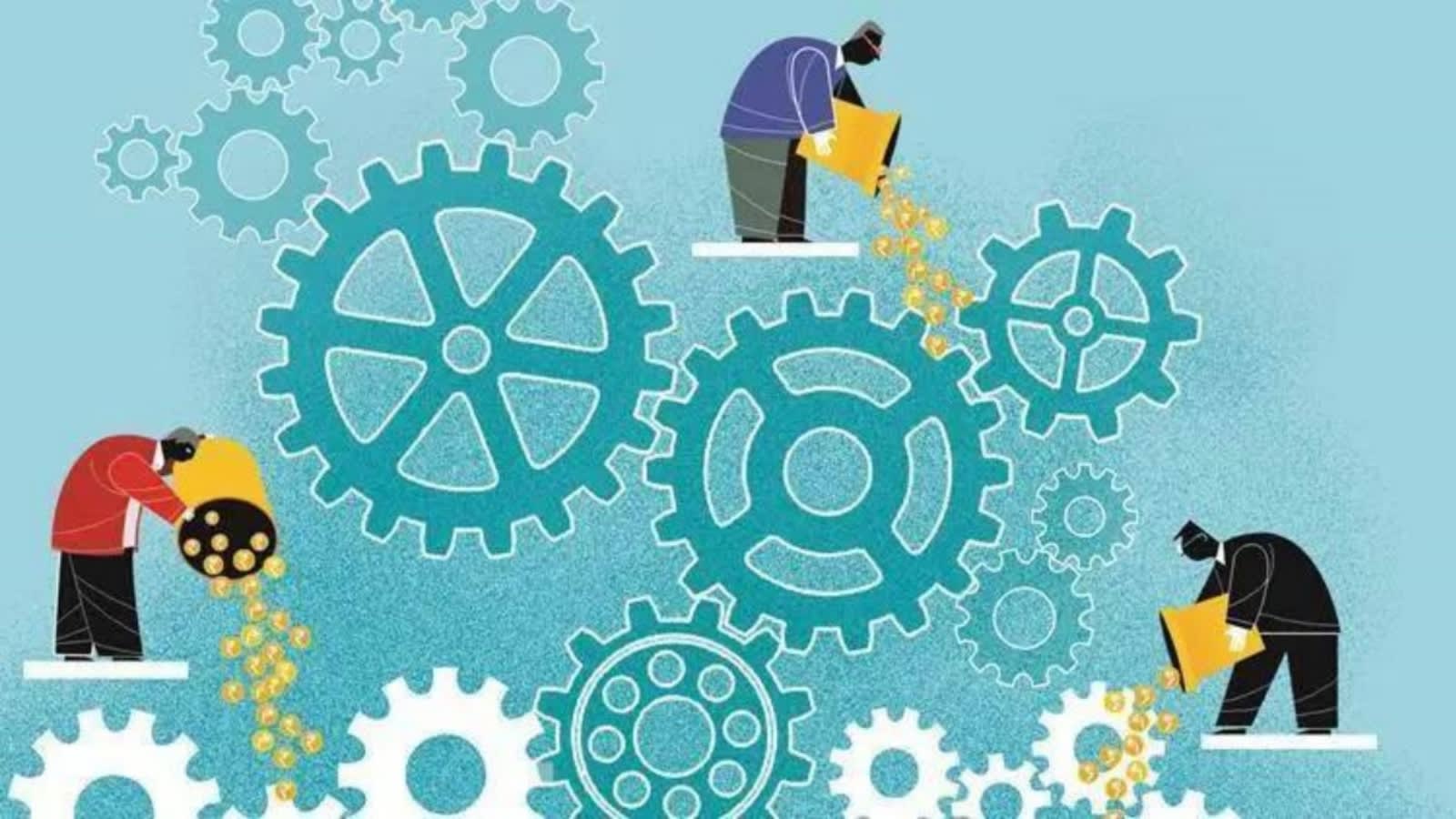
Global protests are erupting as citizens struggle with the rising costs of food, fuel, and systemic inequality. Governments worldwide face mounting pressure as public frustration over economic instability and policy failures reaches a breaking point.
The Global Wave of Civil Unrest: A Crisis of Governance
The contemporary geopolitical landscape is currently defined by a pervasive sense of instability, as citizens across diverse nations take to the streets to voice their grievances. From Europe to South America and Asia, the common thread linking these disparate movements is a fundamental deprivation of basic necessities, including freedom, food, and fuel. As noted by P. Chidambaram, when the social contract—the implicit agreement that a government will provide for the basic welfare of its people—is fractured, mass protest becomes an inevitable consequence of systemic neglect.
Economic Pressures and the Rising Cost of Living
The economic strain on households has become a primary driver of civil disobedience. In the United States, the affordability of food and the soaring cost of fuel have created an environment of economic precariousness. These inflationary pressures have manifested in direct political accountability, with leaders like Donald Trump facing the brunt of public ire. This trend highlights a global phenomenon where domestic economic hardship is immediately translated into political blame, regardless of the complexity of global supply chains or macroeconomic factors.
Systemic Failures and Public Discontent
Beyond immediate economic survival, protests are frequently rooted in long-term governance failures. In France, the unrest is deeply tied to the quality of public services, specifically the deterioration of education due to school facility deficits and critical teacher shortages. Here, the frustration is directed at Emmanuel Macron, illustrating how perceived government apathy regarding the future of the next generation can trigger widespread mobilization, particularly among the youth who feel the most disenfranchised by current policy trajectories.
Environmental and Institutional Concerns
The scope of these protests extends to environmental and sovereign integrity issues as well. In Albania, the impetus for public outcry stems from the perceived surrender of precious wetland ecosystems to foreign interests. This specific grievance underscores a growing public intolerance for policies that prioritize external commercial or geopolitical alliances over the preservation of local environmental heritage. It reflects a shift in global political consciousness where citizens are increasingly monitoring the stewardship of their national resources.
The Path of Violence and the Necessity of Reform
While the right to protest is a cornerstone of democratic expression, the recent escalation of violence in certain European demonstrations is a concerning development. Violence often threatens to overshadow the legitimate grievances of the protestors, providing governments with a pretext for crackdowns rather than substantive reform. The challenge for modern administrations is to transition from a reactive stance—where they are simply 'blamed' for crises—to a proactive stance that addresses the structural inequalities fueling these movements.
Conclusion: The Future of Political Stability
The convergence of food insecurity, fuel price volatility, and eroded trust in public institutions suggests that we are entering a volatile era of global politics. Unless governments can demonstrate a tangible commitment to rectifying the wrongs that have triggered these protests, the cycle of unrest is likely to persist. Moving forward, the ability of state leaders to balance fiscal responsibility with the imperative to provide for the fundamental needs of their citizenry will remain the ultimate test of their legitimacy.