Oura sues rival Ultrahuman again, threatening its U.S. smart ring comeback
Source Entity
Jagmeet Singh
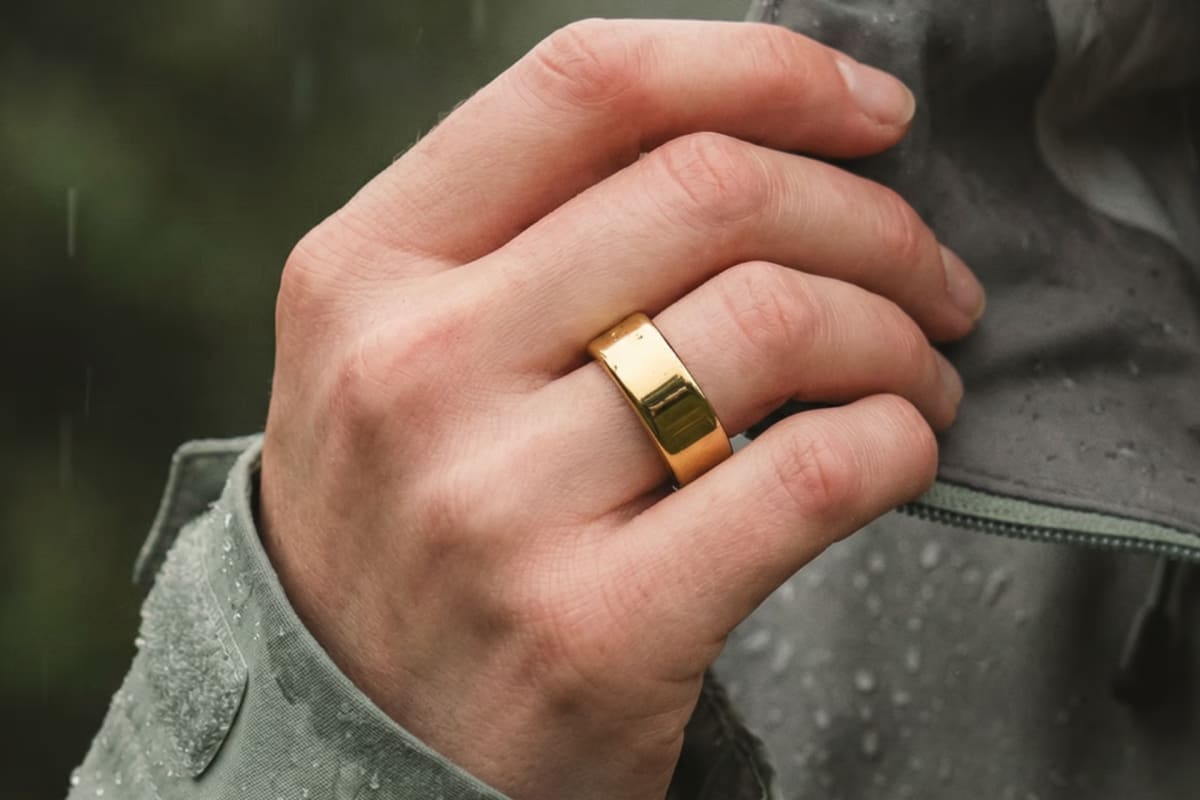
Oura has filed a new patent infringement lawsuit against Indian startup Ultrahuman in Texas, aiming to block U.S. sales of the Ring Pro. This legal action marks an ongoing trend of aggressive patent litigation by Oura against various smart ring competitors.
The Escalating Smart Ring Patent War
The wearable technology sector is witnessing a period of intense legal friction as Oura, a dominant player in the smart ring market, has initiated a new lawsuit against the Bengaluru-based startup Ultrahuman. Filed in a federal court in Texas, this legal challenge specifically targets the Ultrahuman Ring Pro, alleging that the device infringes upon two of Oura’s patents related to internal hardware, including critical battery technology and sensor placement. This move comes at a precarious time for Ultrahuman, which had only recently navigated a return to the U.S. market following a previous import ban.
Strategic Litigation as a Market Barrier
Oura’s decision to sue Ultrahuman is not an isolated incident but rather part of a broader, aggressive legal strategy aimed at maintaining its market lead. By targeting both established tech giants like Samsung and emerging competitors such as RingConn, Oura is utilizing the court system to challenge the design and functional integrity of rival devices. This "patent-first" approach functions as a significant barrier to entry, forcing competitors to divert resources toward litigation rather than product development or market expansion.
Impact on the U.S. Wearables Market
The potential for a permanent injunction against Ultrahuman’s Ring Pro could have ripple effects on consumer choice in the U.S. wearables market. With Oura seeking both monetary damages and a total halt to sales, the outcome of this case will likely determine whether Ultrahuman can maintain its foothold in the American market. For consumers, this signifies a period of instability where access to alternative health-tracking hardware may be subject to the whims of ongoing patent disputes.
Technological Parity and Design Scrutiny
At the heart of the dispute are the technical specifications of the smart rings themselves. Oura’s claim focuses on the integration of sensors and battery efficiency—the very features that define the user experience for health-conscious consumers. Because the smart ring market is relatively nascent, companies are rushing to patent their specific engineering solutions. As these companies refine their designs, the overlap in intellectual property claims is becoming inevitable, leading to a crowded and litigious landscape.
Future Trends in Wearable Competition
Looking ahead, the smart ring industry is poised for continued consolidation and legal volatility. As more companies enter the space, we can expect to see an increase in defensive patent filings and cross-licensing agreements. The trajectory of the Oura-Ultrahuman dispute will likely serve as a litmus test for how courts perceive the patentability of compact, multi-sensor wearable designs, potentially setting a precedent for future hardware innovations in the industry.
Conclusion
The legal battle between Oura and Ultrahuman highlights the high-stakes environment of the modern wearable tech industry. As Oura attempts to enforce its intellectual property rights, it is effectively defining the boundaries of innovation for its competitors. Whether these legal maneuvers succeed in protecting Oura’s market share or merely serve to slow the pace of industry-wide innovation remains to be seen, but the outcome will undoubtedly shape the future of the smart ring market for years to come.