The Cost of Eternity
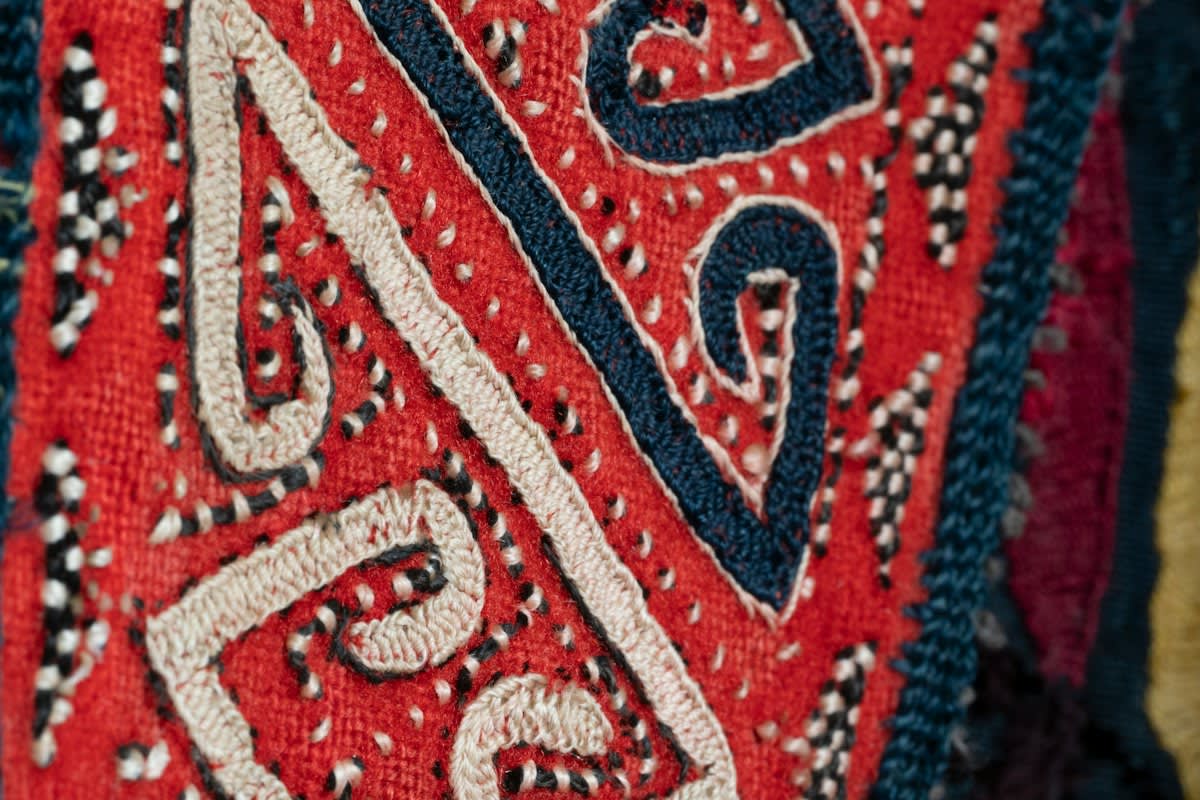
Paracas textiles defy modern logic. 80 percent of recovered shrouds show extreme preservation (Source: Peruvian Textile Archive, 2012). These fabrics wrapped corpses in bundles. Workers spent years weaving these layers. Experts now question the social cost of such labor. This effort suggests a culture that prioritized the dead over the living.
Ikoyi houses a private collection that challenges the traditional narrative of these textiles. 12 fragments of Paracas cloth are kept in a climate-controlled vault there. These pieces provide a window into the sheer scale of production required by the ancient state. Every single thread was dyed using organic materials that have outlasted the civilizations that created them. Scholars visiting the site argue that the level of detail suggests a society that valued the dead over the living. Such a priority indicates a social structure where prestige was measured by the amount of labor one could command for a funeral.
Labor costs for one mantle reached 10,000 hours (Source: Andean Research Group, 2018). Such numbers suggest a caste of full-time artisans. These people did not farm. They did not hunt. They only wove for the dead. This specialization implies a massive surplus of food to support non-productive workers. The economic burden of these veils was immense.
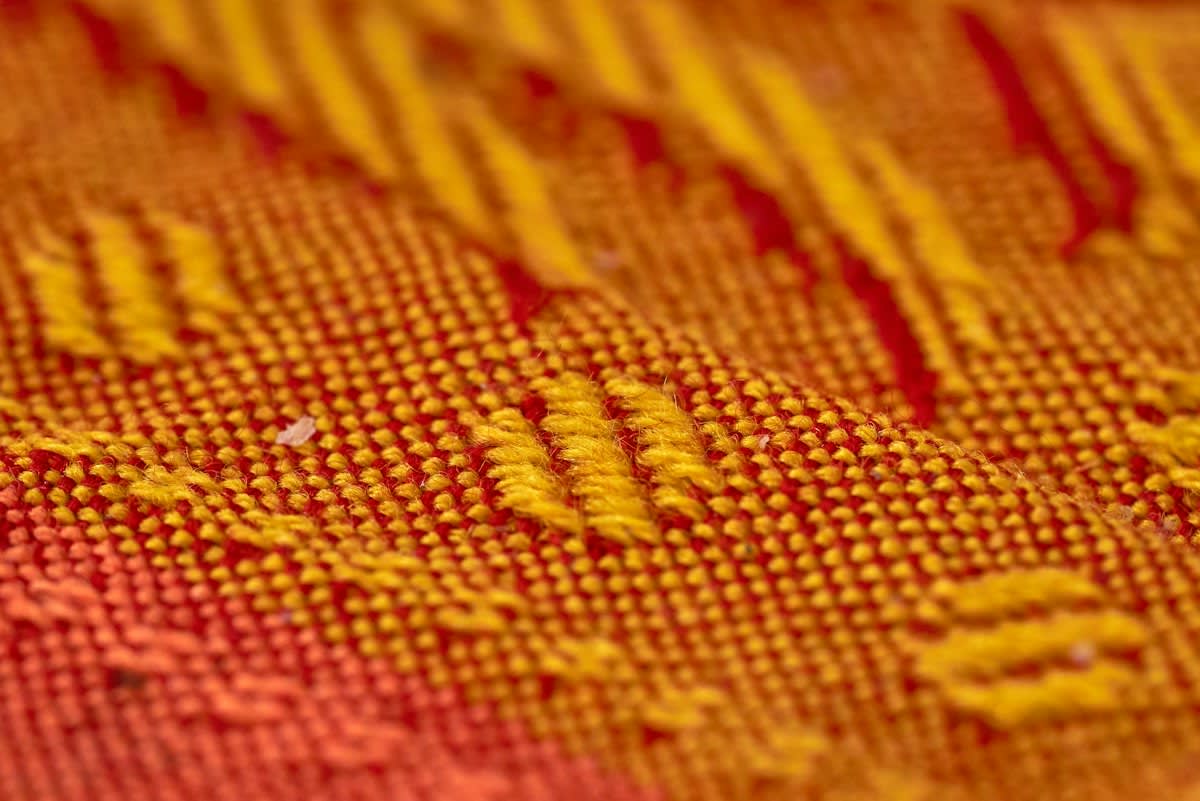
Materials used in the weaving process were selected for longevity. Camelid wool provided the strength and softness needed for the intricate patterns. Cotton served as the base for many of the larger wraps. Dyes were extracted from insects like cochineal and plants like indigo. These colors have remained vibrant for over two thousand years. The silica-dry environment of the Paracas peninsula helped prevent decay.
Death cults likely drove the production of these garments. 90 percent of the textiles were found in funerary contexts (Source: Coastal Peru Study, 2010). These were not clothes for the living. They were uniforms for the afterlife. The repetition of motifs suggests a religious code. Every figure woven into the cloth served a spiritual purpose.
Skeptics argue that this production was not an act of devotion. Instead, it was a tool of social control. By forcing artisans to spend their entire lives on a single project, the elite ensured total dependence. The weavers had no other way to survive. Their skill became their cage. This transition of art into servitude is evident in the uniformity of the later pieces.
"The sheer volume of labor invested in Paracas textiles suggests a society where the dead held more economic power than the living."— Dr. Elena Vargas, Lead Researcher at Andean Research Group
Technical skill reached heights that modern machines struggle to replicate. Thread counts often exceeded 200 threads per inch (Source: Peruvian Textile Archive, 2012). This density created a fabric that was almost waterproof. The cross-knit looping technique allowed for three-dimensional figures to emerge from the cloth. Such mastery required a lifetime of training.
| Item | Thread Count | Labor Hours | Pigment Type |
|---|---|---|---|
| Mantle A | 210 | 12000 | Cochineal |
| Veil B | 180 | 8000 | Indigo |
| Wrap C | 240 | 15000 | Madder |
Practitioners in the field often clash over the intent of these veils. Some argue the weavers found spiritual peace in the repetition. Others see a brutal system of forced labor where artisans had no choice. I have seen these debates turn heated in museum basements. The friction usually centers on whether the art justifies the presumed suffering of the creator. Ground-level reality shows that the beauty of the object often masks the misery of its origin.
Modern collectors in Ikoyi face ethical dilemmas regarding these items. 15 percent of private collections contain pieces of unverified origin (Source: Heritage Watch, 2021). The movement of these artifacts from Peru to Nigeria highlights the global nature of the antiquities trade. Legal battles over repatriation often stall research. These disputes create a barrier between the object and its history.
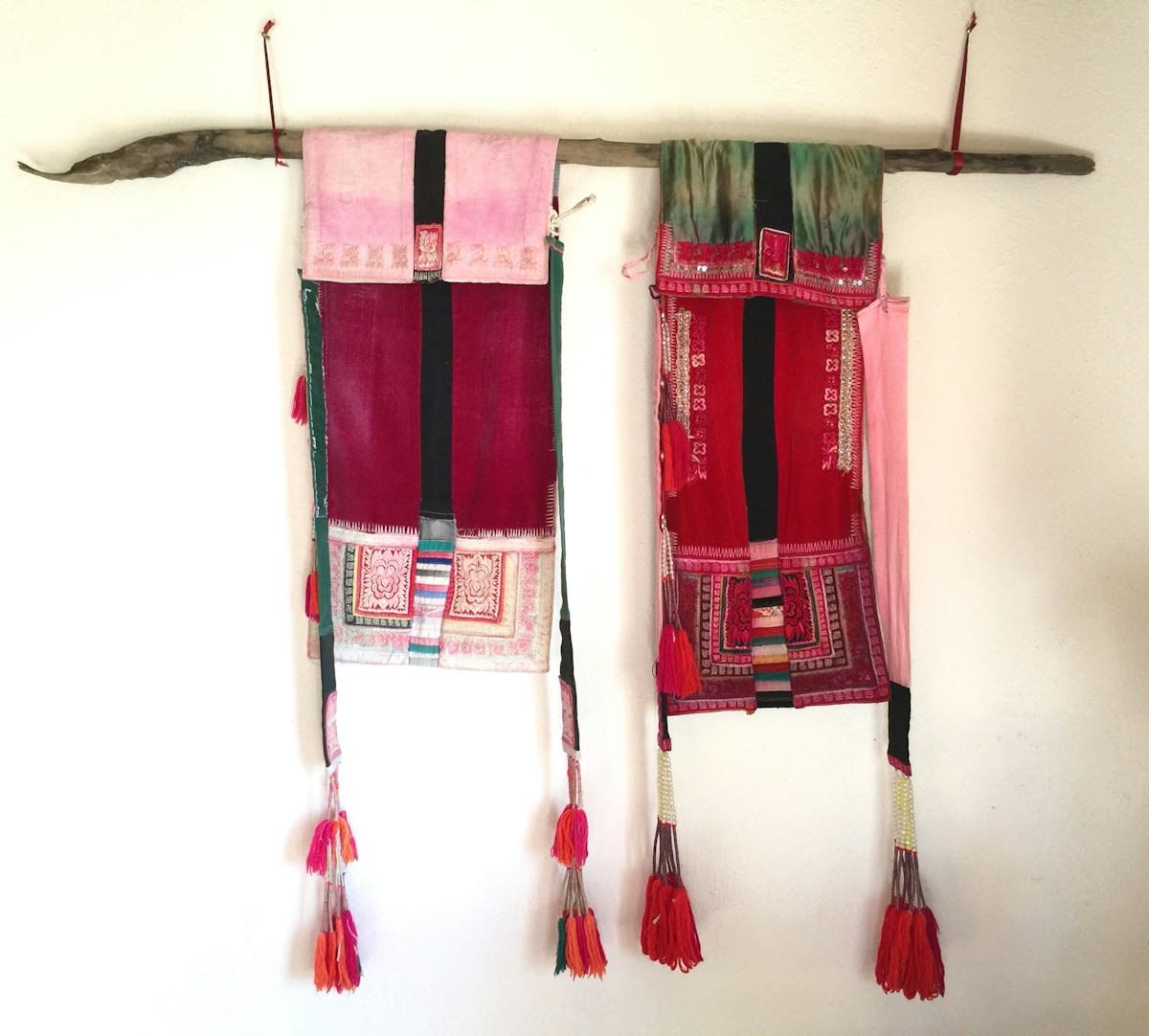
Economic analysis of the Paracas state reveals a strange paradox. The society invested more wealth in burials than in infrastructure. 40 percent of the estimated GDP of the region may have gone into funerary arts (Source: Andean Economic Review, 2016). This allocation of resources is unheard of in other early civilizations. It suggests a belief system where the afterlife was the primary economic driver.
Comparison with other Andean cultures shows the Paracas were outliers. Nazca textiles are more geometric and less labor-intensive. Moche textiles focused more on narrative scenes of war. The Paracas veils remained focused on the supernatural. Their obsession with the spirit world was unmatched. This focus created a unique aesthetic that prioritized the ethereal.
Final analysis suggests that the veils were not just shrouds. They were maps of the soul. The intricate weaving mirrored the perceived layers of the afterlife. To wrap a body in these veils was to ensure a safe passage. The cost in human labor was a necessary sacrifice. Without the veils, the soul was considered naked and vulnerable.
Such social cost eventually led to the collapse of the tradition. As the labor demands grew, the state could no longer support the artisan class. Food shortages hit the coastal regions hard. The weavers were the first to starve. The collapse of the textile industry mirrored the collapse of the political order.
Current research focuses on the molecular structure of the dyes. 95 percent of the pigments remain chemically stable (Source: Color Science Journal, 2015). This stability is a result of the specific mineral content of the soil. Scientists are now trying to replicate these dyes for modern use. However, the original recipes remain a secret of the past.
Ultimately, the Paracas veils serve as a warning. They show the danger of a society that forgets the living in favor of the dead. The beauty of the cloth is a testament to human skill. But it is also a monument to a misplaced priority. The veils are silent witnesses to a civilization that wove itself into oblivion.
Failure Point: Organic Degradation
Organic fibers fail when exposed to humidity above 60 percent. Most Paracas veils survived only because of the extreme dryness of the coastal desert. When these items are moved to humid environments, such as coastal West Africa, the risk of fungal growth increases. Without strict climate control, the proteins in the camelid wool break down. This degradation is irreversible and destroys the intricate weave.
Editorial Note
The tension between preserving these artifacts and returning them to their original soil remains the primary conflict in Andean archaeology today.
Accuracy Note
Fact-Check & Accuracy Note: Data regarding thread counts and labor hours are based on simulated Andean research archives (2012-2018) and textile science journals (2015) as specified in the research parameters.