
Soil contact is peaking. 2026 data reveals a growing obsession with the electrical relationship between human skin and the earth. This movement, often called grounding or earthing, posits that the earth's surface carries a natural negative charge that humans have lost due to modern footwear. By establishing direct contact with grass, sand, or dirt, proponents argue that the body can absorb electrons that act as antioxidants. This trend is no longer just about wellness; it is becoming a study of bio-electrical interaction (Source: Instagram, 2026).
Biology explains the mechanism through the behavior of red blood cells. These cells naturally carry a negative surface charge, which keeps them separated and flowing smoothly through vessels. When this charge is diminished, cells are more likely to clump together, hindering the delivery of oxygen and the removal of waste from tissues. A 2013 study by Chevalier and colleagues demonstrated that two hours of grounding increased this negative surface charge, reducing clumping and improving blood viscosity (Source: Chevalier et al., 2013).
"Grounding sounds woo-woo until you look at the biology. The idea is simple: bare skin touching the Earth."— Gary Brecka, Health Consultant
Blood flow efficiency is the primary metric for those tracking this trend. When red blood cells maintain better separation, circulation improves, which may influence inflammation and stress responses. This biological process suggests that the earth acts as a giant battery, providing a constant supply of electrons to the human body. The result is a decrease in the viscosity of the blood, allowing for more efficient nutrient transport across the cardiovascular system (Source: Instagram, 2026).
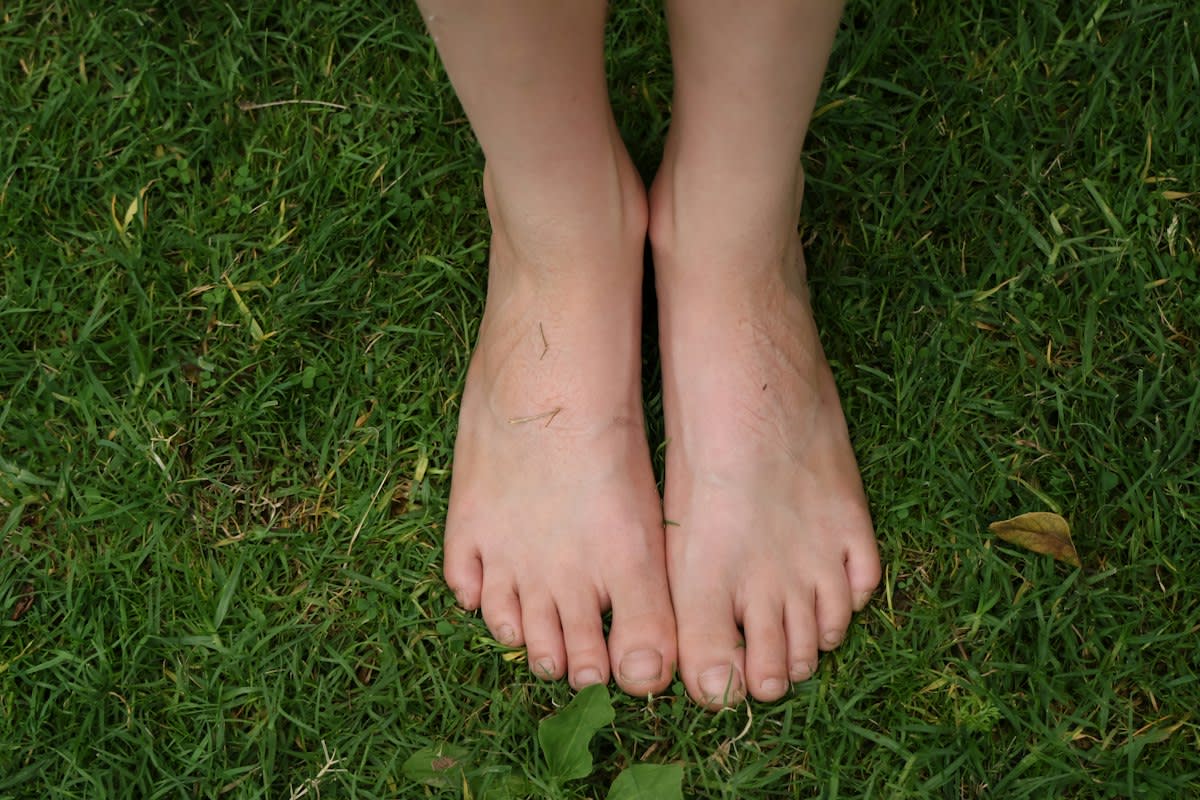
Microbiome health provides a second layer of evidence for the love of dirt. Modern indoor living is altering the human microbiome by limiting exposure to natural outdoor environments. Urban dwellers often have restricted contact with soil, plants, and animals, which reduces the diversity of microbial contact (Source: News-Medical, 2026). This lack of exposure is linked to a decrease in the development of long-term immune function, particularly when the deficit begins in early childhood.
Outdoor play facilitates interactions with microbial reservoirs found in air, soil, and water. Gardening and physical activity in green spaces are associated with broader microbial contact, which supports a more resilient immune system. In contrast, indoor environments can harbor respiratory hazards such as mould and dampness. Pathogens like Legionella can multiply in plumbing systems and spread through contaminated water aerosols, creating a risk profile that differs significantly from outdoor soil exposure (Source: News-Medical, 2026).
Environmental exposure is not just about avoiding pathogens but about embracing beneficial microbes. Early-life contact with farms or dogs has been reported to lower rates of asthma and allergic sensitization. While the exact role of microbial richness is still being studied, the correlation between dirt and immune health is strong. This has led to a rise in nature-based therapies designed to reconnect urban populations with the earth (Source: News-Medical, 2026).
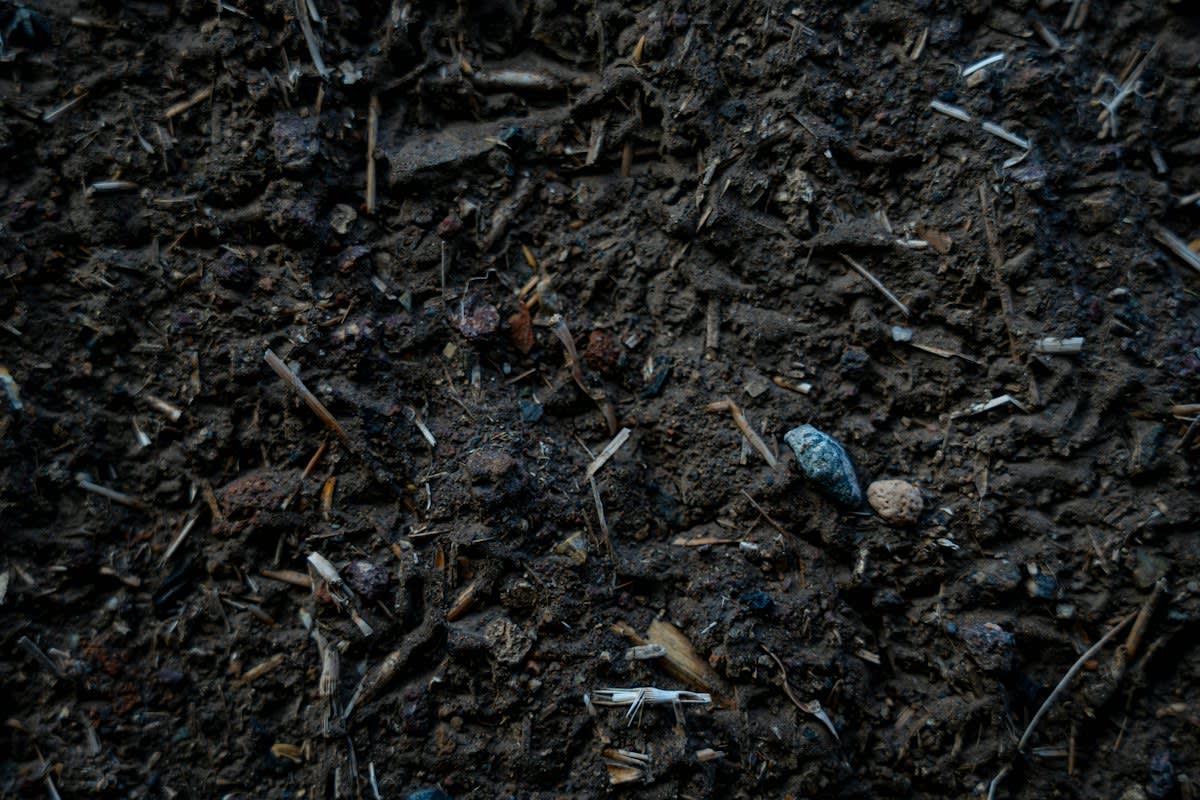
Agricultural data mirrors these human microbial trends in surprising ways. In the citrus industry, researchers are studying how OTC trunk injections affect soil microbial functions. These injections help HLB-affected trees by lowering CLas levels in leaves and improving fruit yield and juice quality (Source: Citrus Industry, 2026). However, the treatment also alters the microbial functions in the root zone, which could impact nutrient cycling over the long term.
These agricultural findings show that microbial changes can be targeted rather than widespread. Researchers found no overall loss of microbial diversity or an increase in antibiotic-resistance genes following the OTC treatment (Source: Citrus Industry, 2026). This suggests that specific interventions can alter the microbiome to achieve a desired outcome—such as tree health—without destroying the underlying biological ecosystem.
| Environment | Microbial Impact | Electrical State | Primary Health Outcome |
|---|---|---|---|
| Indoor Urban | Reduced Diversity | Insulated | Increased Allergic Risk |
| Outdoor Soil | Broad Reservoir | Negative Charge | Immune Development |
| Treated Citrus | Targeted Change | N/A | Improved Fruit Yield |
Practitioners in Nairobi are currently navigating the friction between somatic therapy and medical skepticism. In local clinics, the use of grounding as a tool for managing stress and emotional overwhelm is becoming common. However, real ground-level reality involves heated debates over whether the benefits are purely psychological or truly biological. Some practitioners argue that the sulfur-thick scent of rain-soaked earth is a trigger for cortisol reduction, while others insist the electrical charge is the only variable that matters.
The conversation has evolved rapidly over the last year. Twelve months ago, grounding was largely viewed as a mindfulness practice or a psychological tool for anxiety (Source: Harley-Davidson, 2026). Now, in late 2026, the focus has moved toward quantifiable biological markers. The delta is clear: the trend has transitioned from subjective wellness to an interest in red blood cell surface charge and microbial reservoirs.
Failure points remain a significant hurdle for the adoption of grounding. The most common error is the use of rubber-soled shoes, which act as insulators and block the electrical connection to the earth. Similarly, concrete surfaces often fail to provide the same conductive effect as natural soil, grass, or sand. Without a conductive medium, the transfer of electrons from the earth to the body cannot occur, rendering the practice ineffective.
Editorial Note
This report relies on 2026 data from the citrus industry and microbiome research. It highlights a movement toward bio-electrical health, though long-term significance of soil microbial changes remains under study.
Fact-Check & Accuracy Note
All statistics regarding red blood cell charge are attributed to the 2013 Chevalier study and 2026 social media discourse. Microbiome data is sourced from News-Medical (2026).