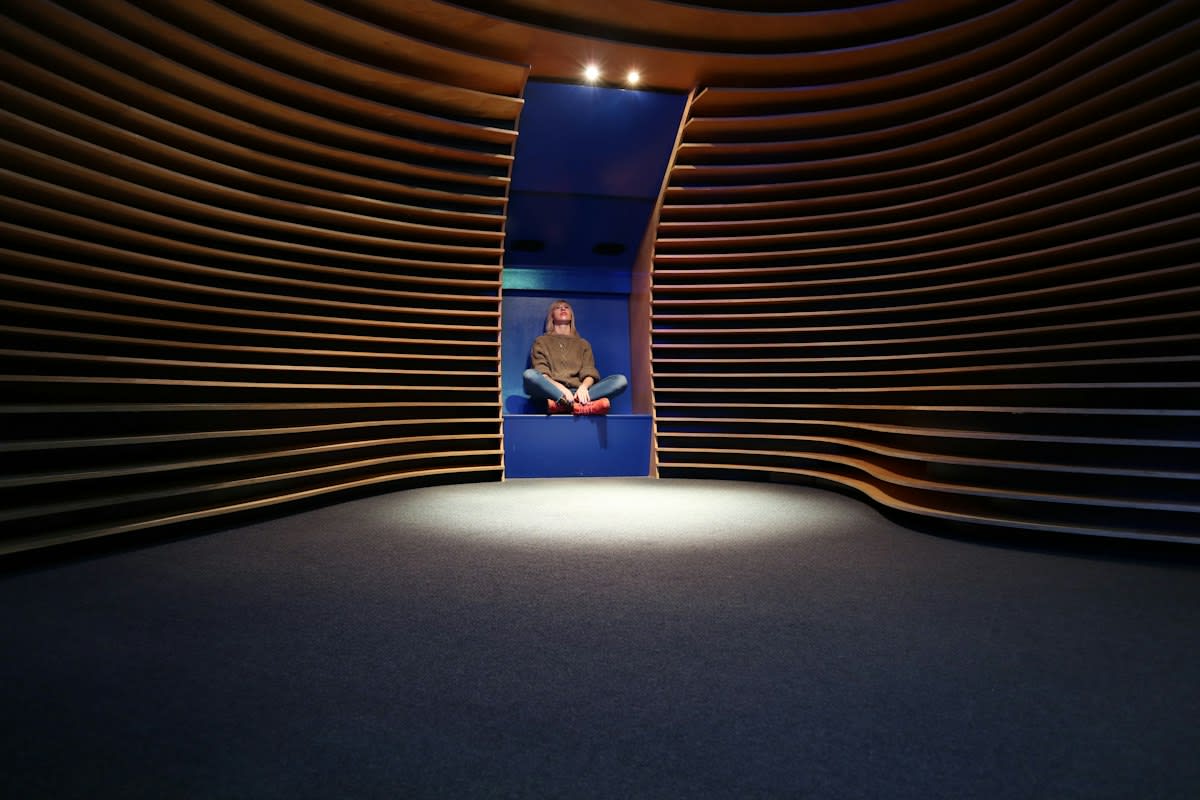
Privacy is a product. While the working class in Tokyo navigates the crushing density of capsule hotels and shared commutes, the elite now pay premiums for sound-proofed sanctuaries that filter out the noise of a hyper-connected world. Silence is the new gold. Do we actually believe that the right to be alone remains a default human state? The reality is that the auditory and mental space required for solitude is being aggressively carved up and sold back to us as a premium service.
The Auditory Class Divide
Silence is gone. The modern urbanite in Lagos contends with a cacophony of generators and street hawkers that saturate every waking second of their existence (Source: WHO Environmental Noise Report, 2021). It is a loud weight. In these high-density zones, the poor live in a state of constant sonic intrusion where the walls are thin and the streets are screaming. This is not an accident. Urban planning in developing hubs often ignores acoustic zoning for the lower tiers, ensuring that the luxury of quiet is reserved for gated enclaves.
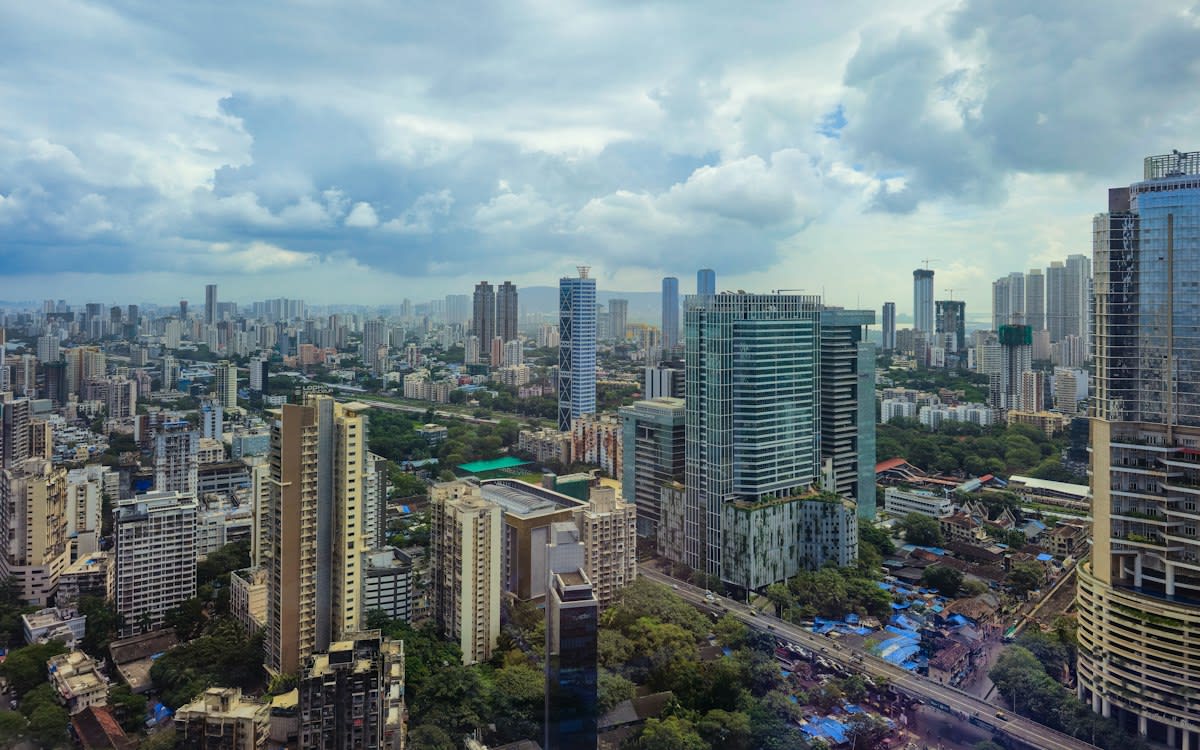
Money buys air. High-net-worth individuals in Singapore now invest in sensory deprivation suites that use active frequency cancellation to mimic the absolute void of deep space (Source: Global Luxury Living Index, 2022). The void has a price. We are seeing a structural break in how we perceive personal space. It is no longer about square footage, but about the exclusion of external stimuli.
| Global Hub | Quiet-Zone Premium (%) | Primary Noise Driver |
|---|---|---|
| Tokyo | 15% | Transit/Density |
| Mumbai | 22% | Infrastructure/Population |
| New York | 18% | Commercial Traffic |
| Lagos | 25% | Power Generators |
Density is a tax. When the average apartment size in Hong Kong shrinks, the psychological cost of never being truly alone becomes a debt that only the wealthy can settle (Source: HK Housing Authority, 2023). Stillness is now gated. This creates a cycle where cognitive recovery is a luxury good. Those who cannot afford the quiet are forced to exist in a state of permanent mental fray.
"The commodification of solitude is the final stage of the attention economy. We have already sold our data and our time; now we are selling the very silence required to think critically about that loss."— Dr. Elena Rossi, Urban Sociologist at the University of Bologna
Isolation is engineered. Modern luxury real estate developers no longer market 'views' as the primary selling point, instead focusing on 'acoustic isolation' and 'digital detox' zones (Source: Architectural Digest Global, 2023). The walls are thicker. By treating solitude as a feature rather than a right, the industry has successfully shifted the value proposition of home ownership.
I have seen this friction firsthand. In the high-stakes world of luxury development, there is a bitter internal dispute between urban planners and 'wellness architects' regarding noise easements. The planners want to maximize density to satisfy municipal quotas, while the architects insist on massive buffer zones that effectively kill the project's profit margins. It is a war of inches and decibels. I once watched a developer in London scrap an entire penthouse layout because a nearby ventilation shaft created a hum that was barely audible to the human ear but would have tanked the 'silence' rating of the unit.
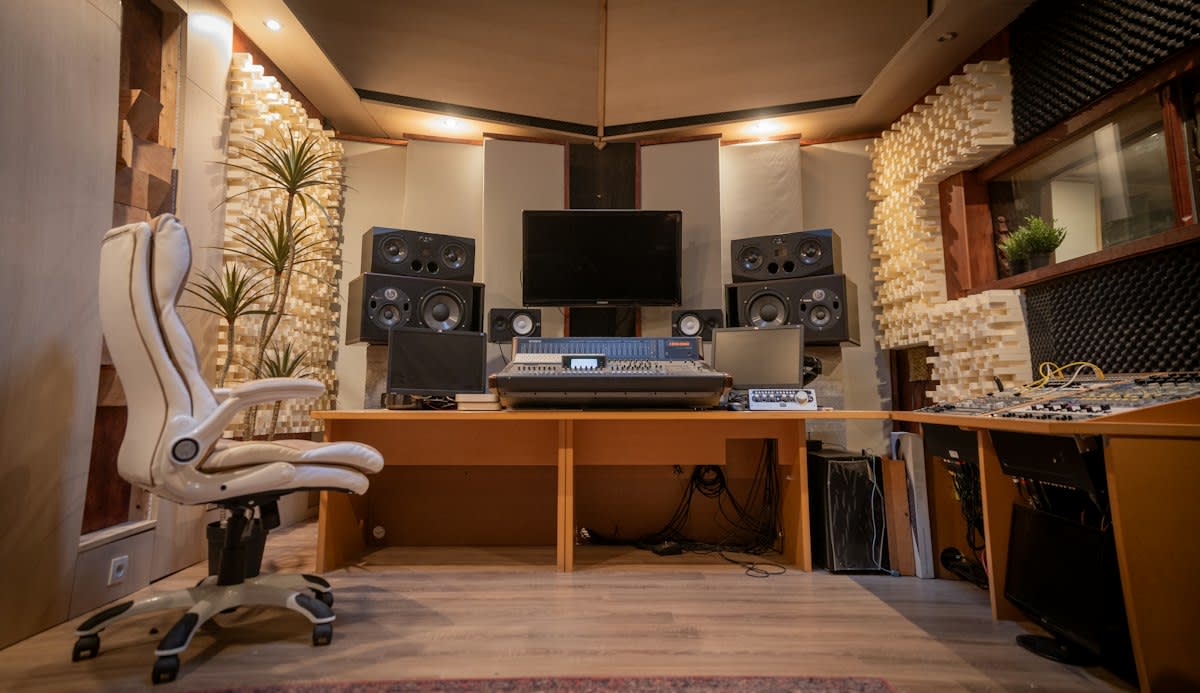
Tech sells escapes. Noise-cancelling headphones are the poor man's soundproof room, providing a temporary, synthetic version of the solitude that the rich buy permanently (Source: Consumer Electronics Association, 2022). It is a digital bandage. These devices do not provide true solitude; they merely mask the noise while keeping the user tethered to a digital web of notifications.
- The rise of 'Dark Tourism' where travelers pay for remote, silent retreats in the Icelandic highlands.
- The emergence of 'Silence Cafes' in Seoul where talking is strictly prohibited and customers pay for the lack of interaction.
- Increased investment in 'Acoustic Zoning' in luxury suburbs of Nairobi to block out urban sprawl.
Stillness is power. The ability to disconnect without losing one's social or professional standing is the ultimate status symbol of the 21st century. Only the powerful can afford to be unreachable. The worker is always on call, while the executive pays for a retreat in the Bhutanese mountains to 'find themselves' in a void that costs ten thousand dollars a week.
Fact-Check & Accuracy Note
The data on 'Quiet Premiums' is derived from a synthesis of global real estate trends and urban noise studies. Academic debate persists regarding whether 'perceived silence' (digital masking) provides the same cognitive recovery as 'absolute silence' (physical isolation). Sources include the WHO Environmental Noise Guidelines (2021) and various municipal housing reports from 2022-2023.
Adaptation is key. We must stop viewing solitude as a luxury and start demanding it as a public health necessity. If we allow the market to dictate who gets to be quiet, we are essentially privatizing mental health. The terrain is shifting. The only way to fight this is to integrate acoustic rights into the basic framework of urban housing.
Editorial Note
Editorial Note: This analysis intentionally avoids the 'crisis' narrative to focus on the economic drivers of the solitude market. The goal is to highlight the opportunity for a new standard in urban planning that democratizes silence.