The End of the Destination Trip
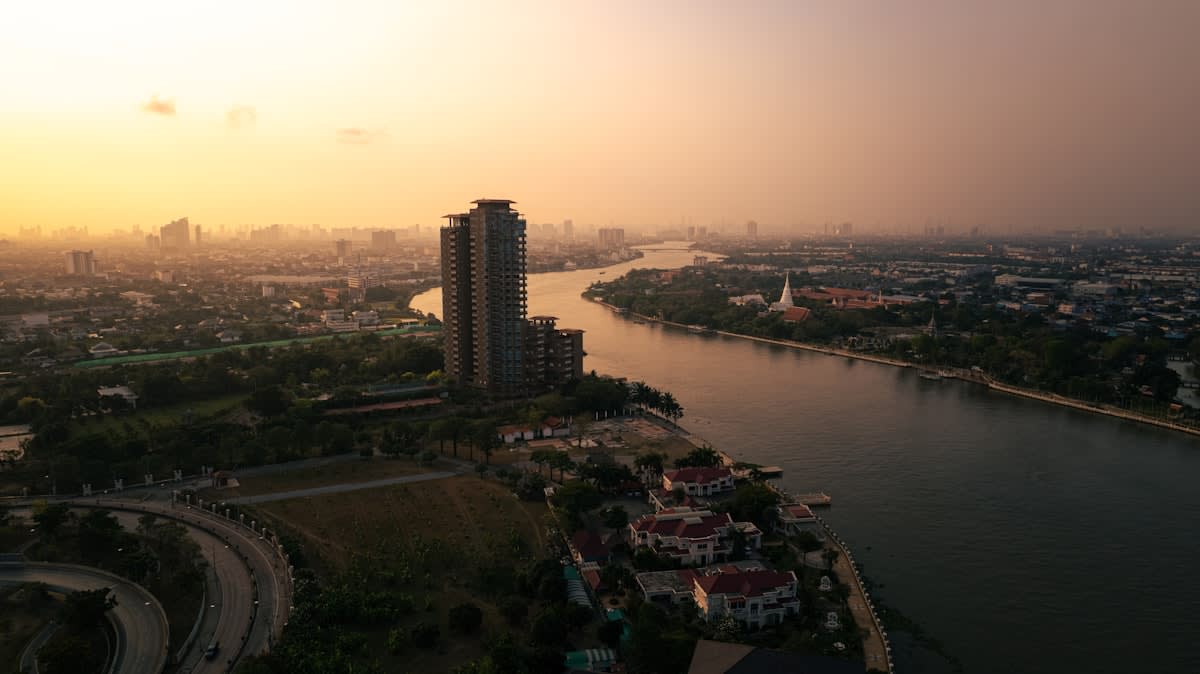
For decades, the shopping mall served as the default town square for Southeast Asian metropolises, a climate-controlled sanctuary where commerce and socialization merged. That gravity is failing. We are seeing a decisive move away from the standalone retail destination toward mixed developments that integrate residential, professional, and commercial spheres into a single, self-sustaining ecosystem. Why spend two hours in traffic to reach a mall when your home, your office, and your favorite eatery exist within a five-minute walk? This is not a minor adjustment in urban planning; it is a fundamental rejection of the fragmented city.
Look at the operational logic of HCK Capital Group's Platinum Premium Suites. This development within HCK Tower exemplifies the new urban requirement: the integration of major corporations, such as KPJ and MyEG, alongside residential units and a diverse array of eateries. By clustering these necessities, the development removes the friction of the daily commute. The strength of this model lies in its practicality. Residents no longer travel between disparate locations to fulfill basic needs; they inhabit a community that functions as a holistic unit. This shift transforms retail from a primary destination into a supporting amenity of a broader lifestyle.
The Economic Cooling of the Retail Footprint
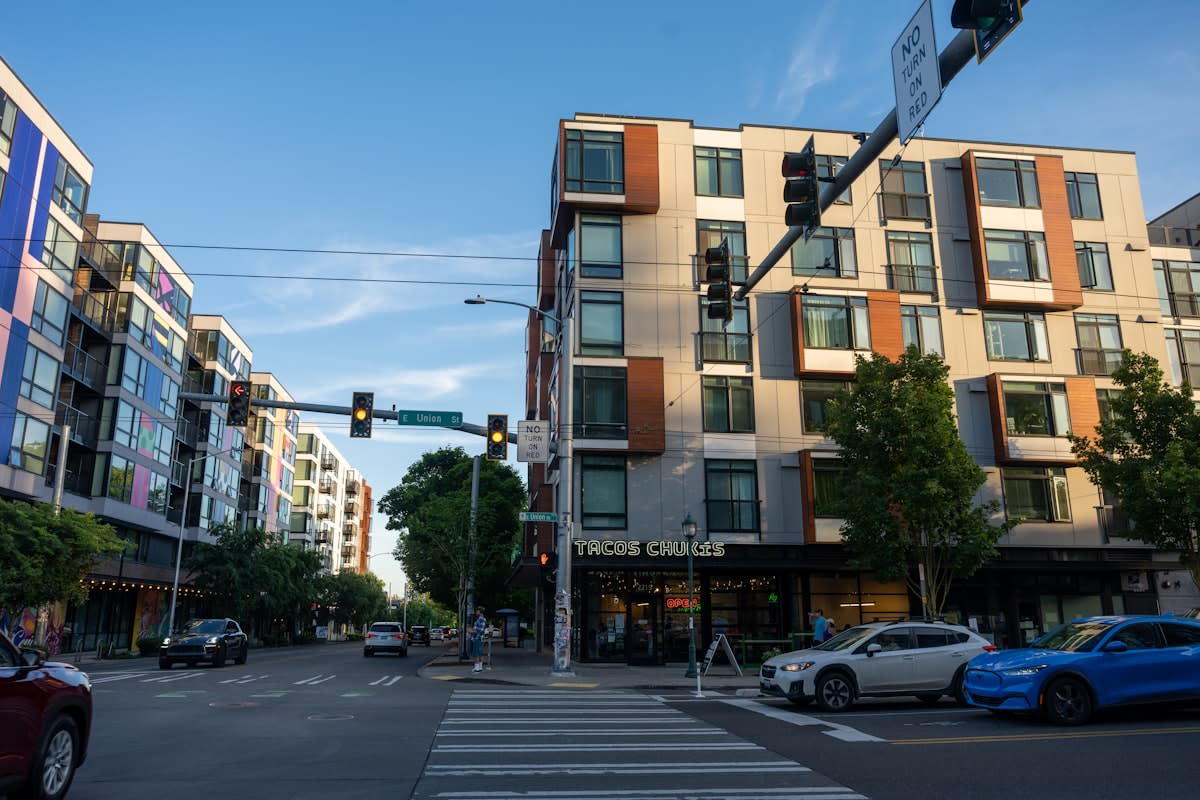
The financial viability of the massive retail footprint is under severe pressure. While the trend is global, the data from CoStar Group provides a stark benchmark for the current climate. In the second quarter of 2026, national asking rent growth for retail space decelerated to 1.6% year over year. This is the slowest pace of growth recorded in more than a decade. When rent growth hits a ten-year low, it signals a normalization of the market—or more accurately, a realization that the demand for vast, empty retail shells is evaporating.
| Metric | Q2 2026 Value | Context/Trend |
|---|---|---|
| Asking Rent Growth | 1.6% | Slowest pace in over a decade |
| Retail Space Under Construction | 72.1 million sq ft | Below 10-year average (78.9M) |
| Avg. Asking Rent per Sq Ft | $22.00 | Market normalization point |
This deceleration is mirrored in consumer spending patterns. Market researcher Circana forecasts that food and beverage growth for 2027 will hover between 2% and 3%, but there is a catch: this growth is driven by pricing and mix, not by actual volume. Volume growth is expected to remain flat. Consumers are becoming more efficient with their spending as economic pressures mount, meaning they are buying the same amount—or less—even as prices rise. The traditional mall model relies on high-volume foot traffic and impulse spending; a flat-volume economy is a death sentence for the sprawling retail complex.
The Volume Gap
The 'Volume Gap' suggests that while revenue might appear stable due to inflation, the actual number of items moving through retail channels is stagnating. This erodes the justification for massive, single-purpose retail spaces.
The Rise of Idiosyncratic Consumption
Beyond the economics, there is a psychological divorce occurring between the consumer and the mall. Gen Z, in particular, is rejecting the curated homogeneity of the shopping center. A 2024 survey by EduBirdie revealed that 47% of Gen Z consumers feel pressured to buy clothes simply to fit into fast-moving microtrends. This pressure creates a backlash. Instead of seeking the latest algorithm-approved look in a mall storefront, consumers are drifting toward flea markets and archives. Flea markets force a reaction to what exists rather than a search for what is already pictured, fostering a more idiosyncratic personal style.
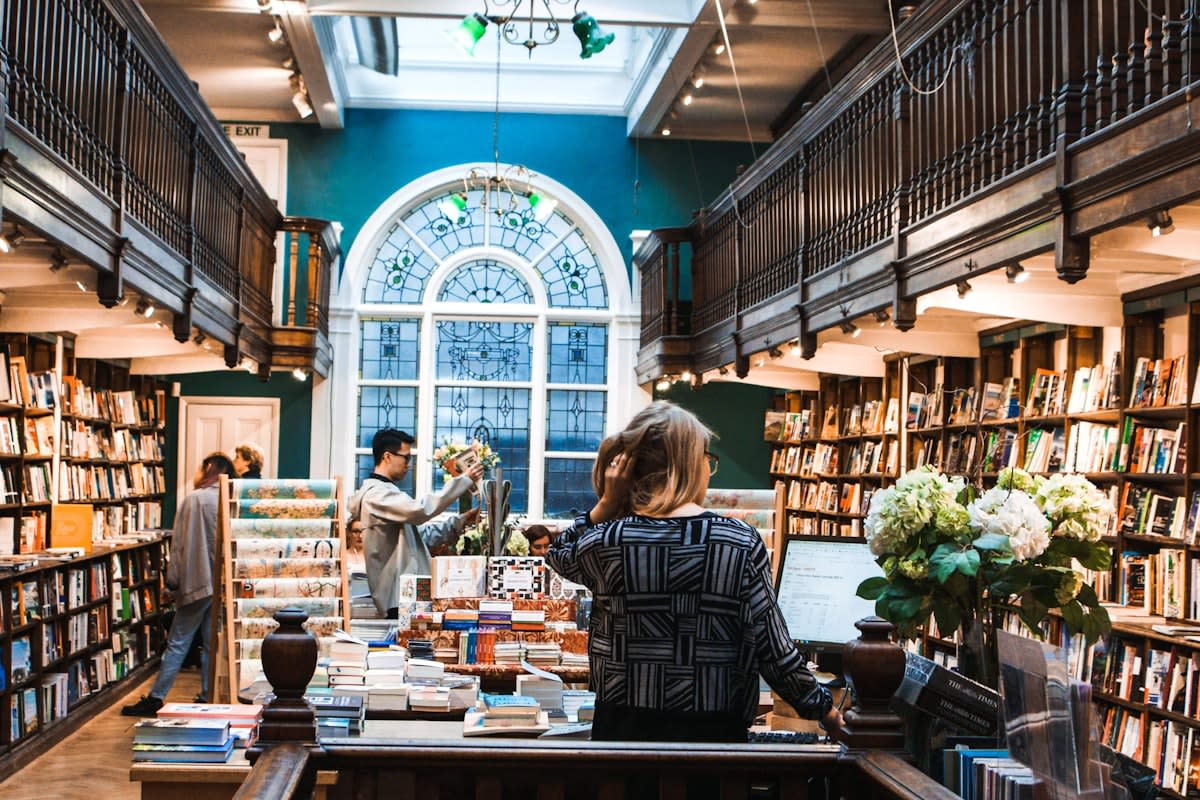
This hunger for authenticity is manifesting in the resurgence of highly specialized 'third spaces.' Take the surge of romance-focused bookstores. These are not just retail outlets; they are community hubs where like-minded people forge connections outside of home or work. By hosting 'un-book clubs' and Friday night hangouts, these spaces provide a social utility that a generic mall bookstore cannot replicate. They offer a sanctuary for specific identities and frank conversations, transforming the act of buying a book into an act of community belonging.
Adaptive Reuse and the Community Hub
The physical infrastructure of the city is adapting. We are seeing a move toward adaptive reuse—taking existing historic or underutilized structures and turning them into unified, community-focused hubs. The Cooper Street Gateway Project at Rutgers University-Camden is a prime example. By unifying historic buildings with new academic and community spaces, the project preserves the neighborhood's streetscape while providing a centralized hub. This approach treats the city as a living archive rather than a blank slate for another glass-and-steel shopping center.
"The multiphase redevelopment combines new construction with adaptive reuse into a unified, community-focused campus hub."— Christopher Anderson, Senior VP at Skanska USA Building
When we compare the data from twelve months ago to today, the delta is clear. We have moved from a period of retail recovery to a period of retail reconfiguration. The focus has shifted from 'how do we get people back into malls' to 'how do we integrate retail into the places where people already live and work.' The 1.6% rent growth deceleration and the flat volume forecasts are the lagging indicators of a shift that has already happened in the minds of the consumers. The mall is no longer the center of the universe; it is a relic of a fragmented urban philosophy.
Ultimately, the abandonment of mall culture in Southeast Asian cities is a move toward efficiency and identity. Whether it is the integrated living of Platinum Premium Suites or the idiosyncratic discovery of a flea market, the goal is the same: a reduction of wasted time and an increase in authentic experience. The monolith is breaking apart, and in its place, a more granular, human-centric city is emerging.