Can the ‘Magnificent Seven’ save a stock market that might be doomed without them?
Source Entity
Isabel Wang
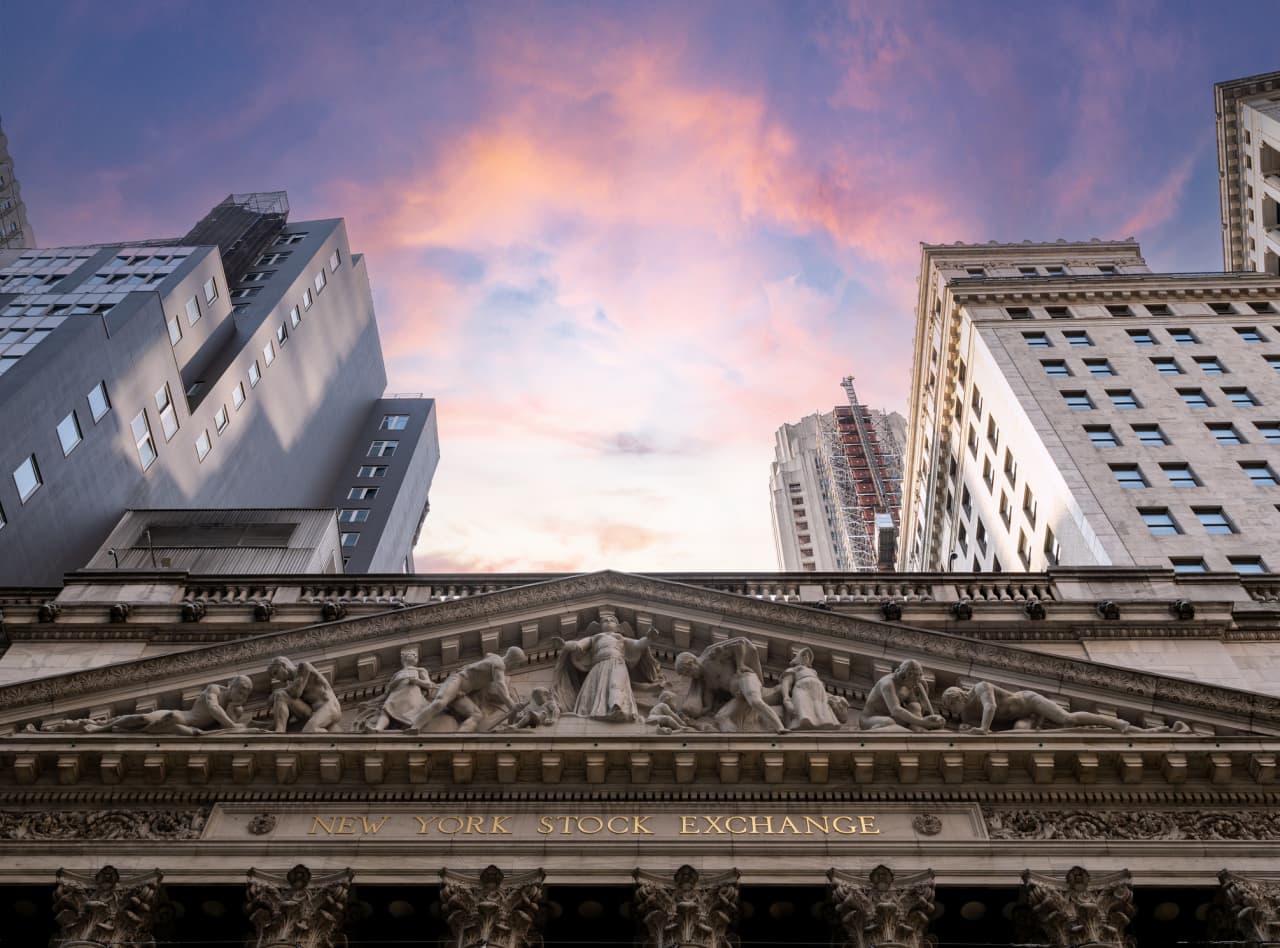
The 'Magnificent Seven' tech giants, including Apple, Amazon, and Nvidia, are showing signs of recovery. Their resurgence could potentially revitalize a stagnant stock market heavily dependent on their performance.
The Titan Effect: Can the Magnificent Seven Revive the Global Market?
The global financial landscape currently finds itself at a precarious crossroads, where the health of the broader stock market seems inextricably linked to a handful of titan corporations known as the "Magnificent Seven." These companies—including Apple, Amazon, Nvidia, and their peers—act as the primary engines of growth for major indices. The recent observation that these stocks are "quietly coming back to life" suggests a pivotal moment for investors who have been weathering a period of stagnation or a "sleepy" market environment.
The Engine of Market Growth
To understand why these specific entities hold such sway, one must look at their dominance in critical sectors: artificial intelligence (AI), cloud computing, and consumer electronics. Nvidia, for instance, has become the backbone of the AI revolution through its high-performance GPUs, while Apple and Amazon maintain massive ecosystems that dictate global consumer spending patterns. This concentration of power means that when these companies experience a bullish trend, they can lift the entire market, often masking underlying weaknesses in smaller-cap stocks or less resilient industrial sectors.
The Risks of Market Concentration
The assertion that the market might be "doomed" without these giants highlights a systemic risk known as market concentration. When a small group of stocks drives the majority of an index's gains, the overall market becomes fragile. If the Magnificent Seven were to face a collective downturn due to regulatory crackdowns or a bubble burst, there are currently few other sectors with enough liquidity or growth potential to offset such losses. This creates a dependency where the "sleepy" nature of the rest of the market reflects a lack of organic growth outside the tech behemoths.
Analyzing the Current Recovery
The current "quiet" resurgence of these stocks likely stems from a recalibration of valuations and renewed confidence in the monetization of AI. After a period of volatility, investors are seeing these companies transition from speculative AI hype to tangible revenue growth. This jolt is necessary to wake the market from its slumber, as it signals to institutional investors that the growth narrative for big tech remains intact, potentially encouraging a broader flow of capital back into equity markets across the board.
Historical Context and Scale
Historically, markets have often been led by a few dominant players—such as the "Nifty Fifty" in the 1960s and 70s—but the scale of the Magnificent Seven is unprecedented due to the global nature of digital platforms. Unlike previous eras, these companies operate across borders and multiple industries simultaneously, making them not just stock market leaders but pillars of the global economic infrastructure. Their ability to "save" the market is a testament to the total digitalization of modern commerce.
Future Trends and Outlook
Looking ahead, the sustainability of this recovery depends on whether the Magnificent Seven can catalyze growth in other sectors. For a truly healthy market, the "jolt" provided by Nvidia and Apple must lead to a "trickle-down" effect where smaller companies leveraging AI and cloud technology also begin to thrive. If the market remains a "one-trick pony," the risk of a concentrated bubble continues to grow; however, if these giants pave the way for a broader industrial renaissance, the market could enter a new era of diversified stability.
Final Summary
In summary, the resurgence of Apple, Amazon, and Nvidia provides a critical lifeline to a stagnant stock market. While their influence ensures short-term stability and upward momentum, it also underscores a dangerous reliance on a few corporate entities. The ultimate goal for a resilient financial system will be to transition from a market "saved" by the few to one sustained by a broad spectrum of healthy, growing companies.
Verification Required?