Oil and Gas Employment Hits a 2026 Low Even as Production Sets Records
Source Entity
Yahoo Finance
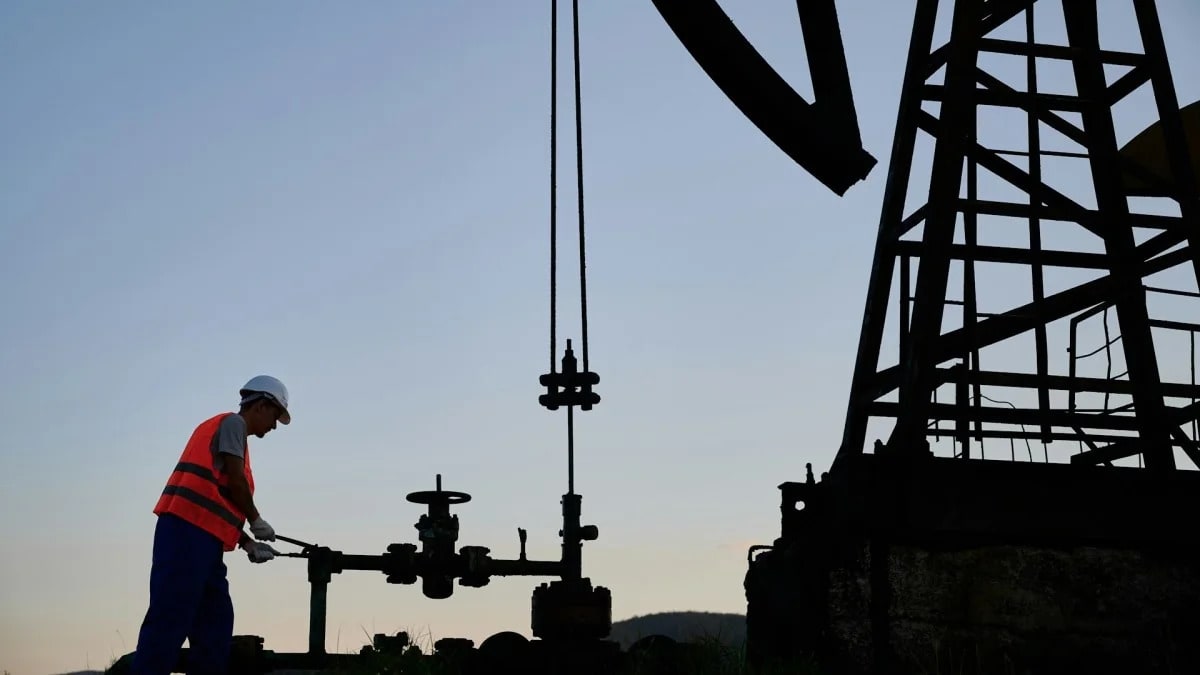
Oil and gas production is reaching record highs despite a sharp decline in employment, driven by a massive surge in productivity and better tools. This efficiency shift is creating a precarious environment for over 850,000 dependent supply chain and service jobs.
The Productivity Paradox: Record Output vs. Dwindling Labor
The oil and gas industry is currently experiencing a profound paradox: production levels are hitting historic records even as direct employment reaches critical lows. This divergence suggests a fundamental shift in the operational model of energy extraction, where the traditional correlation between increased output and increased hiring has been completely severed. The industry is no longer scaling through human capital, but through an aggressive optimization of existing resources and the deployment of advanced technology.
Analyzing the Productivity Surge
The data reveals a staggering leap in efficiency. In 2023 alone, output per hour jumped by 11.4%, while labor input remained virtually stagnant. Even more telling is the volatility and eventual recovery of total factor productivity, which swung from a sharp 14.7% drop in 2021 to a massive 30.2% gain just two years later. This indicates that the industry didn't just recover from the disruptions of 2021, but evolved into a far more lean and potent machine. The evidence suggests that the workforce isn't necessarily working harder, but is working with significantly better tools that allow for a higher volume of extraction with a smaller human footprint.
The Vulnerability of Oilfield Services
While extraction remains the core of the industry, the most significant labor losses are being felt in the oilfield services sector. This segment—which encompasses drilling contractors, completions crews, and pressure pumpers—employs approximately 627,000 people. This workforce is more than five times the size of the direct extraction headcount, yet it is losing jobs at a faster rate. Because service providers are the primary implementers of the "better tools" mentioned in the productivity data, they are the first to feel the impact of automation and streamlined processes.
The Economic Ripple Effect
The implications of this labor contraction extend far beyond the rig site. The industry's employment structure creates a massive dependency chain; every single upstream job is estimated to support roughly 232,000 supply chain positions and an additional 421,000 jobs through local spending. With more than 850,000 positions riding on the stability of upstream employment, the industry's drive toward needing fewer direct employees creates a systemic risk for regional economies that have historically relied on the energy boom for growth.
Broader Industrial Implications and Future Trends
This trend reflects a broader industrial evolution toward "intelligent extraction." By decoupling production growth from headcount, oil and gas companies are insulating themselves from labor shortages and wage inflation, but they are simultaneously eroding the socioeconomic base of the communities that support them. Looking forward, we can expect this trend to accelerate as AI and robotics further optimize the drilling and completions process, likely leading to a permanent reduction in the service-sector workforce regardless of whether production continues to climb.
Conclusion
In summary, the oil and gas sector has entered an era of unprecedented efficiency, characterized by a 30.2% gain in total factor productivity and record-breaking output. However, this success comes at a high human cost, as the reliance on advanced tools reduces the need for direct labor. With the service sector already shrinking and nearly a million dependent jobs at risk, the industry's future is one of high-tech prosperity paired with significant labor displacement.