India once dominated the textile trade. It needs institutions to make a mark again
Source Entity
Ashok Gulati, Sulakshana Rao
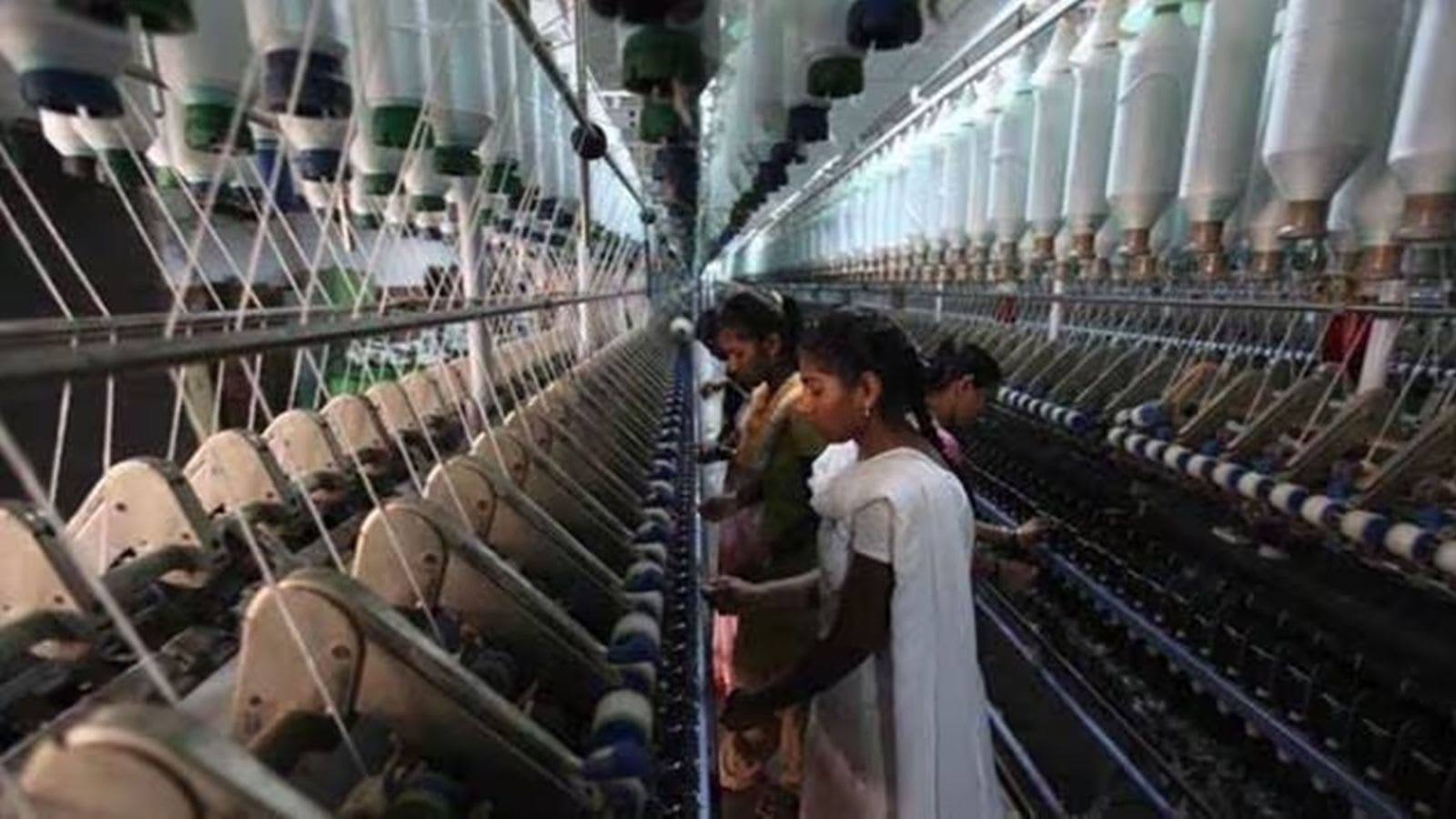
India's textile industry, which once dominated global trade from the Indus Valley to the Mughal era, seeks to regain its historical prominence. The sector's legacy is rooted in ancient craftsmanship and legendary fabrics like Dhaka muslin.
The Legacy and Future of India's Textile Industry
Few industries have shaped the trajectory of Indian civilization as profoundly as textiles. Long before the modern era defined global value chains, textiles were already the primary thread weaving together India’s economic, cultural, and commercial fabric. The industry's significance is not merely a matter of recent history but is rooted in the very dawn of urban civilization in the subcontinent, serving as a cornerstone of India's early economic power.
Ancient Foundations: From the Indus Valley
The archaeological record provides stark evidence of this early mastery. Excavations at Harappa and Mohenjodaro, dating back approximately 4,500 years, have uncovered critical artifacts including spindle whorls, needles, and dyeing equipment. These findings indicate that the inhabitants of the Indus Valley had already developed sophisticated techniques for spinning and coloring fabrics. This early innovation laid the groundwork for a tradition of craftsmanship that would sustain the region's trade dominance for millennia, establishing India as a primary hub for textile production in the ancient world.
Millennia of Global Dominance
For nearly two thousand years, Indian fabrics were not just local commodities but global luxuries that clothed consumers across Asia and Europe. This period of dominance highlights India's historical role as a central node in early international trade. The ability to produce high-quality textiles at scale allowed India to command significant influence over trade routes, creating a precedent for the export-led growth that modern economies strive for today. The consistency of this trade over two millennia underscores the resilience and adaptability of Indian textile artisans.
The Mughal Era and the Zenith of Bengal
During the Mughal period, the textile industry reached a pinnacle of sophistication, with Bengal emerging as the world's premier center for cotton textiles. This era was characterized by the production of fabrics that were prized by royalty across multiple continents. Specifically, Dhaka became legendary for its muslin—a fabric so fine and delicate it was regarded as a marvel of craftsmanship. Simultaneously, Murshidabad gained fame for its exquisite silk and muslin, cementing Bengal's status as the heart of the global luxury textile trade.
The Necessity of Institutional Evolution
While the historical narrative is one of unrivaled craftsmanship and organic growth, the current challenge lies in transitioning from a legacy of skill to a structured institutional framework. The shift from the artisanal success of the Mughal era to a modern industrial powerhouse requires more than just traditional knowledge; it demands robust institutions to navigate contemporary global markets. To make its mark again, India must bridge the gap between its ancestral mastery of textiles and the systemic requirements of modern global value chains.
Conclusion: Reclaiming the Global Stage
In summary, the history of Indian textiles is a journey from the spindle whorls of Harappa to the royal courts of the Mughal Empire. The industry's deep roots in the Indus Valley and its peak in Bengal prove that India possesses the inherent capacity for textile leadership. By leveraging this rich heritage and building the necessary institutional support, India is positioned to reclaim its status as a dominant force in the global textile economy, transforming historical prestige into modern commercial success.