The grueling, 630-mile road race where the only fuel is sunlight
Source Entity
Andrew J. Hawkins
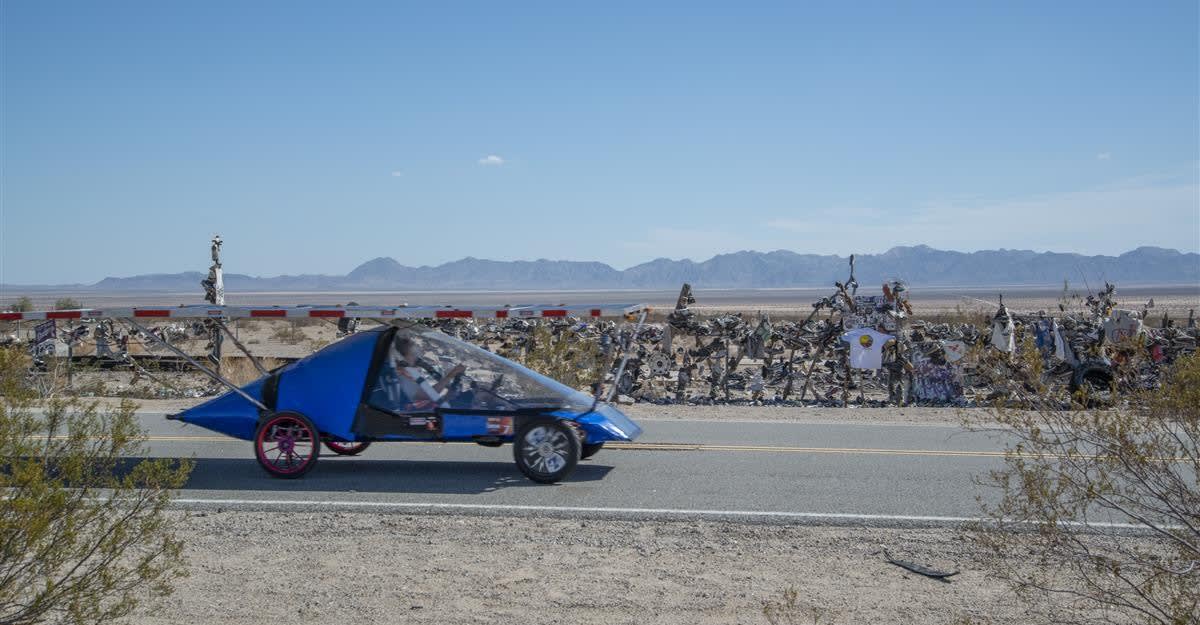
High school students are competing in a 630-mile solar-powered road race from Fort Worth to Fort Stockton, Texas. Celebrating its 30th anniversary, the event requires students to design and build their own vehicles using 3D printing and off-the-shelf parts.
Empowering the Next Generation: The Texas Solar Road Race
Starting on July 19th, a remarkable display of student ingenuity will take place across the Texas landscape. Dozens of high school teams are embarking on a grueling 630-mile journey from Fort Worth to Fort Stockton. This is not a traditional race of speed, but rather a comprehensive test of engineering, endurance, and sustainability. By restricting the fuel source exclusively to sunlight, the event pushes students to confront the real-world challenges of renewable energy integration and vehicle efficiency.
The Engineering Challenge: From 3D Printing to Assembly
One of the most compelling aspects of this competition is the requirement that students design and build their own vehicles. The use of "off-the-shelf parts" combined with "3D printed materials" highlights a modern shift in STEM education, where rapid prototyping and accessible manufacturing allow students to iterate designs quickly. These "Frankenstein-looking vehicles" represent a hands-on application of physics and electrical engineering, forcing participants to balance weight, aerodynamics, and energy capture to ensure their cars can actually traverse the vast Texas distance.
Strategic Endurance: Mileage Over Velocity
Unlike standard automotive races where the first to cross the finish line wins, this contest rewards the team that accumulates the most driven miles. This critical distinction shifts the focus from raw power to energy management. Because the only power source is the sun, students must meticulously calculate their energy consumption and optimize their solar arrays to maximize distance. This approach mirrors the actual challenges faced by the electric vehicle (EV) industry today, where range anxiety and charging efficiency are primary hurdles to widespread adoption.
Navigating the Texas Terrain
The route from Fort Worth to Fort Stockton is strategically significant. Texas is known for its intense solar exposure, providing the ideal environment for a solar-powered challenge. However, the 630-mile stretch also presents environmental stressors—such as heat and wind—that can impact both the mechanical integrity of the 3D-printed components and the efficiency of the solar cells. The five-day duration of the race ensures that students must manage their resources over a prolonged period, simulating a long-term deployment of sustainable technology.
A Legacy of Innovation: The 30th Anniversary
This year marks the 30th anniversary of the event, underscoring a long-term commitment to fostering scientific curiosity among youth. The fact that this competition has persisted for three decades suggests a consistent evolution in the technology used; while early participants may have relied on basic circuitry, today's students utilize advanced 3D printing and sophisticated power electronics. This legacy creates a pipeline of talent, encouraging students to pursue careers in sustainable transportation and green energy.
Broader Implications for Future Transport
The implications of this race extend beyond the classroom. As the global economy pivots toward decarbonization, the skills learned by these students—managing intermittent energy sources and optimizing lightweight materials—are exactly what the next generation of transportation engineers will need. By treating the sun as the sole fuel source, the event serves as a microcosm for the larger transition toward a carbon-neutral future, proving that sustainable energy can power significant distances if engineered correctly.
Conclusion
The solar road race from Fort Worth to Fort Stockton is more than a competition; it is a practical laboratory for the future of transport. By combining high-school ambition with the constraints of solar power and modern manufacturing, the event celebrates 30 years of innovation. Ultimately, the victory goes not to the fastest, but to the most efficient, mirroring the global necessity for sustainable and intelligent energy use.