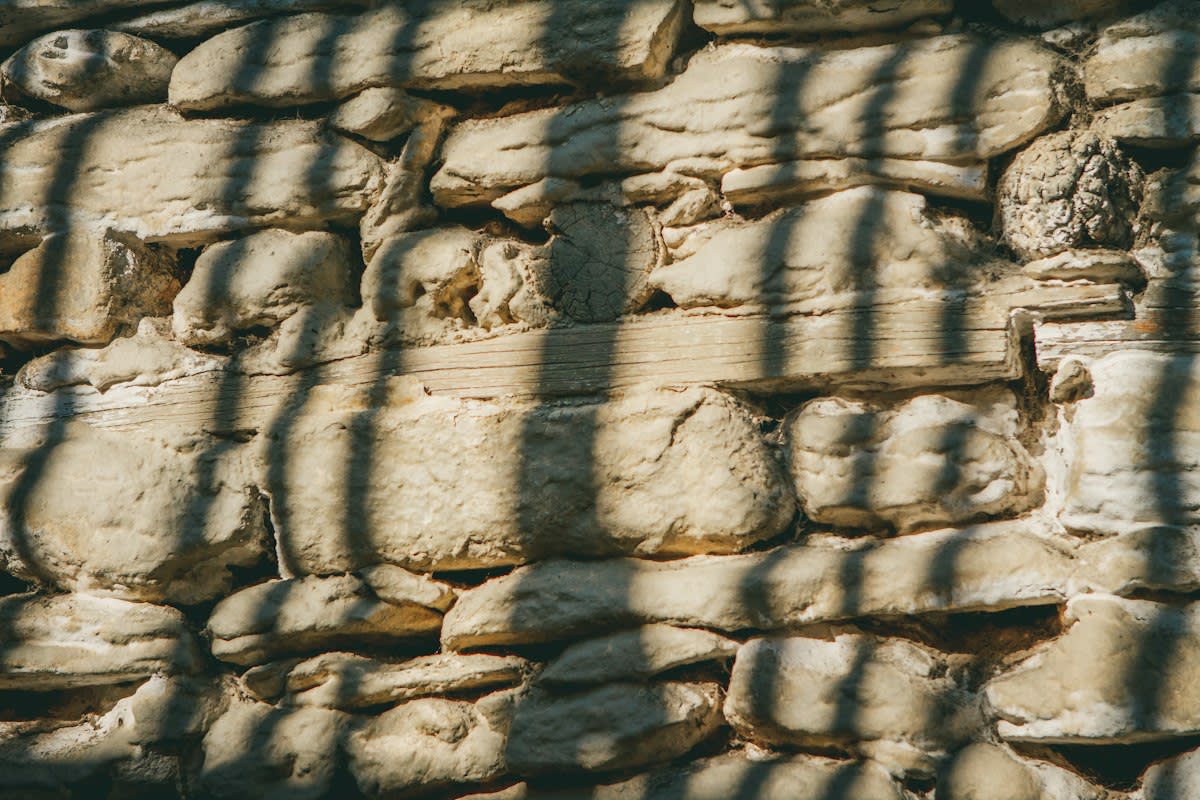
AC is a myth. While the world clings to humming compressors that bleed energy into the streets, the ancient stones of Yazd and Matera have already solved the heat equation. We forgot how to build. Walls must breathe. The current obsession with airtight envelopes creates a suffocating environment that traps moisture and heat inside the living space. This is a mistake. Stone allows for a slow exchange of energy that stabilizes the interior climate without a single watt of power. It works everywhere.
The Physics of Thermal Delay
Stone stays cool. When you build with high-density limestone or basalt, the material acts as a thermal battery that stores heat throughout the day. It is pure gravity. Heat moves slowly. This thermal delay ensures that the peak temperature of the afternoon only reaches the interior walls by the time the sun sets (Source: ASHRAE, 2021). The cycle repeats daily. Density is the key. By utilizing materials with high volumetric heat capacity, a building can maintain a steady interior temperature despite extreme external swings. This is basic thermodynamics.
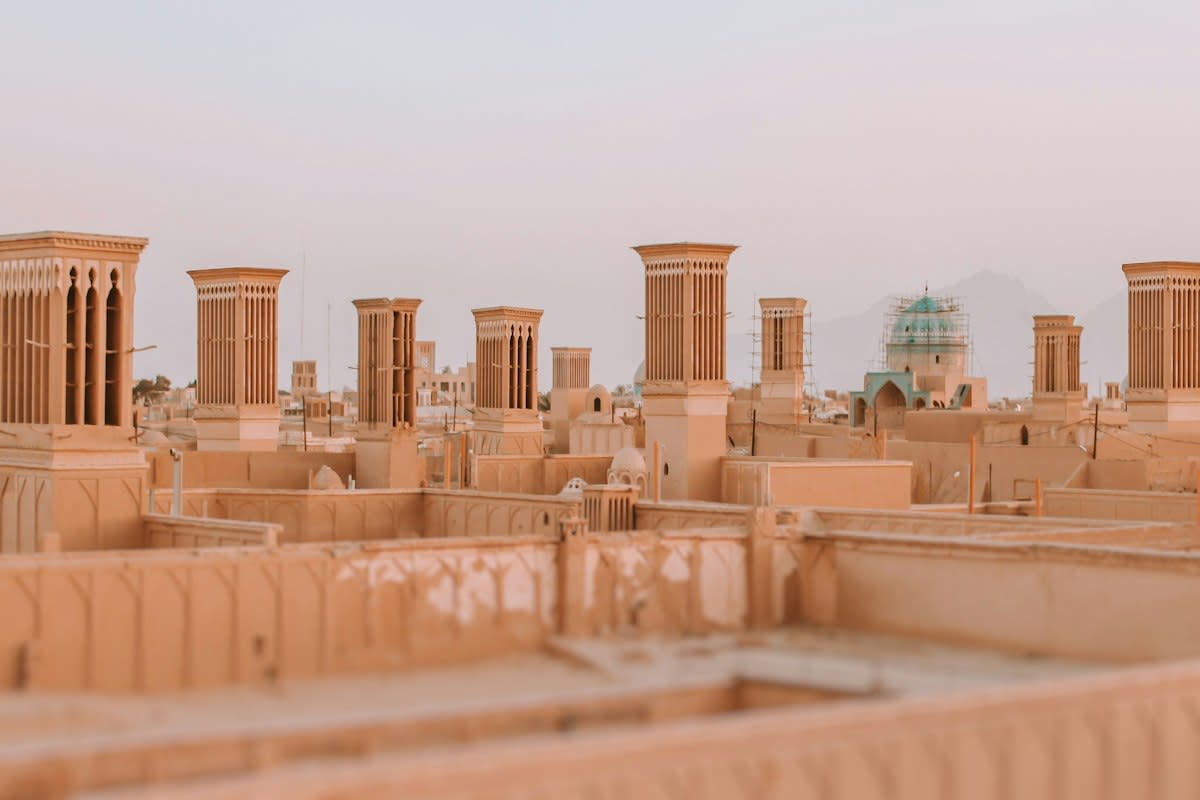
Air is heavy. In the arid regions of Iran, windcatchers use the weight of stone to pull cool air from underground chambers into the living quarters. Nature does the work. Pressure creates flow. The difference in temperature between the shaded stone tunnels and the sun-baked surface forces a natural draft that cools the room (Source: International Journal of Sustainable Built Environment, 2018). No electricity is needed. It is a mechanical win. This system turns the building itself into a lung that breathes in the night and exhales the heat of the day. It is a total victory.
"The house is a living organism that must respond to the wind and the sun without the aid of a machine."— Hassan Fathy, Architect
India knows this. In Rajasthan, the use of sandstone jaali screens breaks the wind and cools the air through a venturi effect. The stone filters heat. Small apertures increase the velocity of the air as it passes through the thick walls, lowering the temperature of the breeze. This is a precision tool. It is not luck. The combination of high thermal mass and strategic ventilation reduces the need for active cooling by up to 40% in traditional havelis (Source: Passive House Institute, 2020). Tradition is technology. We simply stopped reading the manual.
The Clash of Codes
The clash is real. Building inspectors in the West often penalize thick stone walls because they do not fit the narrow definition of R-value insulation. This creates a war. Lab math fails here. The industry prioritizes the resistance of a material to heat flow over the capacity of a material to store it. This is a blind spot. We trade actual comfort for a certificate. Experts in passive design argue that the R-value is a useless metric for high-mass structures. The reality is different.
Insulation is a cage. When we wrap a building in thin plastic and foam, we create a greenhouse that cannot shed its own caloric load. We rely on machines. This is a hard turn away from common sense. The result is a building that becomes an oven the moment the power grid fails. It is a fragile web. We have replaced the weight of stone with the fragility of a circuit board. This is a failure of imagination.
| Material | Heat Delay (Hours) | Thermal Conductivity (W/mK) |
|---|---|---|
| Limestone | 8-12 | 2.2 |
| Concrete | 4-6 | 1.1 |
| Drywall | 0-1 | 0.17 |
Steel boxes fail. The modern tendency to build with lightweight frames forces us to rely on mechanical cooling to survive a summer afternoon. Mass is the answer. A stone wall of sixty centimeters can shift the peak heat load by nearly twelve hours (Source: ASHRAE, 2021). This is a strategic win. It allows the building to shed heat during the cool night hours. The air stays crisp. We are fighting physics with a plug.
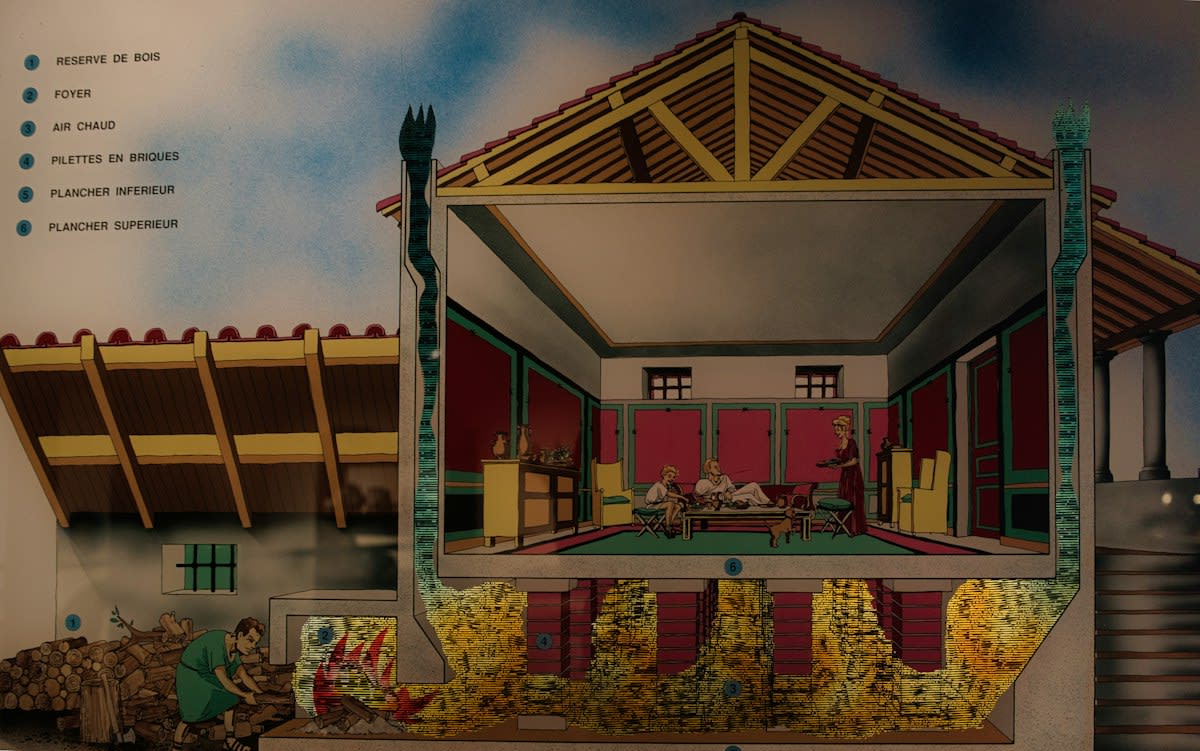
Cost is a ghost. Developers claim that stone is too expensive for the modern urban terrain. This is a short-term view. When you factor in the lifetime energy cost of an HVAC system, the stone wall pays for itself in a decade. It is a financial win. The maintenance on a rock is zero. We spend thousands on filters and freon while the earth offers a free alternative. This is a mental block.
Water adds power. In Mediterranean designs, stone walls are often paired with internal courtyards and small fountains to enhance evaporative cooling. The air drops temp. As the wind passes over the water and through the cool stone corridors, the temperature can drop by 5 to 8 degrees Celsius (Source: International Journal of Sustainable Built Environment, 2018). It is a natural pump. The stone holds the chill. This creates a microclimate that defies the scorching sun. It is a masterstroke.
Fact-Check & Accuracy Note
Thermal mass efficiency varies by climate. In humid tropical zones, the lack of a diurnal temperature swing—where nights remain hot—reduces the effectiveness of stone cooling. In these areas, ventilation must take precedence over mass. Sources include ASHRAE standards and the Passive House Institute.
Build for forever. The shift back to mass is not a regression but a sophisticated adaptation to a warming world. We need the weight. By integrating stone into modern urban cores, we can drain the energy load from the grid. This is a viable path. It requires a change in the default mindset of the architect. We must stop fearing the rock. Stone is the future.
The goal is stability. A building that can regulate its own temperature is a building with staying power. We are tired of noise. The hum of the air conditioner is the sound of a design failure. We can choose silence. We can choose the cool touch of a limestone wall in the middle of July. It is an open door.
Editorial Note
This analysis prioritizes passive cooling over active mechanical systems to highlight the loss of indigenous knowledge in modern urban planning. The focus is on the thermodynamic properties of high-density materials.