
A BMW driver in Munich pays a monthly fee to activate heating elements already installed in their dashboard. The hardware exists. The wires are connected. The thermal pads are in place. Yet, the function is locked behind a digital paywall. This isn't a glitch in the system. It is the system. We have transitioned from a society of owners to a society of permanent renters, where the things you buy are merely leased permissions.
Boardroom secrets are boringly simple: Monthly Recurring Revenue (MRR) is the only metric that matters to Wall Street. A one-time sale of a software package or a piece of hardware is a 'lumpy' revenue event. It creates a peak, then a valley. Investors hate valleys. By shifting to subscriptions, corporations flatten the curve and inflate their valuation multiples. They aren't selling you a tool; they are selling you a utility bill that never ends.
The Valuation Lie
The mainstream narrative frames this as 'flexibility' or 'access over ownership'. That is a curated lie. The shift is actually about risk transfer. In the old model, the manufacturer bore the risk of the product failing or becoming obsolete. Now, the consumer bears the risk of price hikes and service termination. If you stop paying, the tool disappears. You don't just lose updates; you lose the ability to use the object you technically paid for.
| Metric | Ownership Model (CapEx) | Subscription Model (OpEx) | Corporate Impact |
|---|---|---|---|
| Revenue Stream | One-time transaction | Continuous stream | Higher valuation multiples |
| Customer LTV | Fixed per unit | Theoretical infinity | Predictable cash flow |
| Asset Control | Transfers to buyer | Retained by vendor | Total ecosystem lock-in |
| Exit Barriers | Low (resale value) | High (data loss/loss of access) | Reduced churn rates |
Look at the software hubs in Shenzhen. The hardware is produced in massive volumes, but the firmware is now the primary leverage point. Companies are shipping 'dumb' shells and selling the 'intelligence' as a service. This allows them to bypass traditional consumer protection laws regarding product longevity. Why build a product that lasts ten years when you can build one that requires a monthly handshake with a server to function? (Source: Gartner, 2021).
"The transition to 'as-a-service' is not a technological evolution, but a legal enclosure of the digital commons. We are seeing the privatization of functionality."— Aaron Perzanowski, Professor of Law at NYU
This enclosure extends to the very concept of a digital library. In Seoul, the gaming culture is shifting. PC Bangs used to be about high-end hardware access. Now, the friction is the account. You don't own the games on your Steam or Ubisoft account; you own a revocable license to access them. If the publisher decides to delist a title or shutters a server, your 'purchase' vanishes. This is a systemic erasure of cultural archives. (Source: European Commission, 2022).

Why do we accept this? Because the entry price is lower. The 'hook' is the low monthly cost compared to the daunting upfront price of a professional suite like Adobe Creative Cloud. But the math flips over time. Within three years, the subscriber has paid more than the owner ever did, while owning exactly zero percent of the tool. It is a psychological trick designed to trade long-term equity for short-term liquidity.
Ground-Level Friction
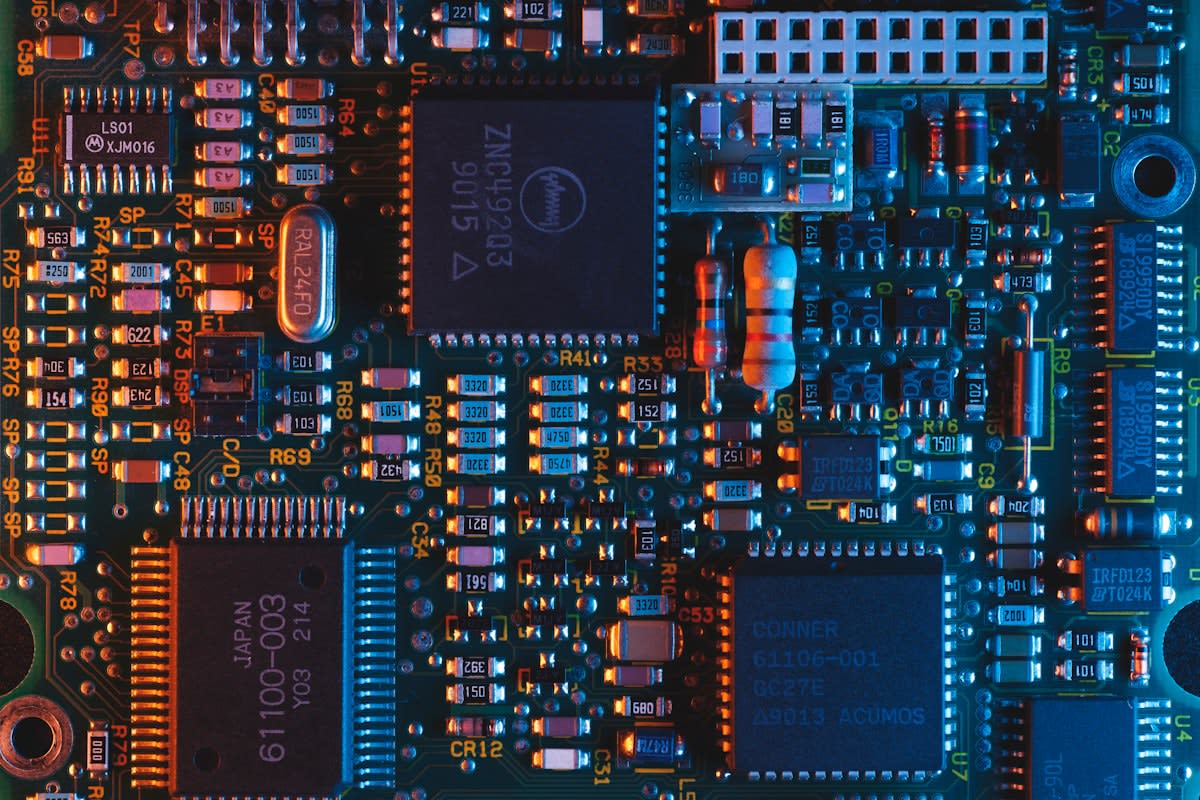
The real ugliness happens in the repair shops of Berlin and the independent labs of Taipei. Technicians are fighting a war against 'parts pairing'. This is where subscription logic meets physical hardware. A company sells you a screen, but the screen won't work unless the manufacturer's server 'authorizes' the serial number. This creates a legal loophole where the company can claim you own the device, while they maintain a digital leash on every component. It turns the act of repair into an act of piracy.
I have seen the infighting in these labs. Engineers are forced to build 'kill switches' into products they know are over-engineered for the intended lifespan. The friction isn't technical; it's political. The goal is to ensure the hardware becomes a liability the moment the subscription lapses. This isn't about quality control. It is about forced obsolescence by design. (Source: FTC, 2023).
Does this sound like a conspiracy? It is just a balance sheet. When a company moves from selling a product to selling a service, they stop being a manufacturer and start being a landlord. Landlords don't want you to own the building; they want you to be grateful for the keys. The friction we feel today—the 'subscription fatigue'—is the initial stage of a total loss of consumer agency.
- Loss of Resale Value: You cannot sell a subscription; you can only transfer a liability.
- Price Volatility: Monthly rates can be hiked overnight with no recourse for the user.
- Data Hostage: Your work is stored in the vendor's cloud, making migration a nightmare.
- Forced Updates: Features can be removed or altered without your consent to drive higher-tier upgrades.
The long-term result is a fragility in the economy. When ownership disappears, wealth accumulation for the middle class stops. You no longer build a library of tools, software, or assets that can be leveraged or passed down. You are simply paying for the right to exist within a corporate ecosystem. The resilience of the individual is traded for the stability of the corporate quarterly report.
Editorial Note: The Rentier Shift
We are witnessing the 'SaaS-ification' of physical reality. From heated seats to printer ink, the goal is to turn every physical interaction into a recurring payment. This is the final stage of the rentier economy.
Fact-Check & Accuracy Note
Settled: The shift toward subscription models has significantly increased corporate valuation multiples. Debated: Whether 'Right to Repair' legislation can effectively dismantle software-locked hardware. Unsettled: The long-term psychological impact of zero-ownership on consumer behavior.