
For a decade, the global aesthetic was defined by the 'filter.' We lived in a curated vacuum of high-saturation travel photos, poreless skin, and the relentless pursuit of a frictionless life. This was the Millennial gloss—a digital performance of success that demanded the erasure of any human smudge. But look closer at the current cultural tide, and you will see a violent pivot. The iGeneration is not just rejecting the polish; they are actively weaponizing the messy, the raw, and the unrefined. Why did we spend years chasing an unattainable ideal only to find that the most valuable asset in the modern economy is a visible flaw?
The Psychology of the Blunder
This shift is not a random whim of youth culture; it is rooted in a psychological mechanism known as the Pratfall Effect. This phenomenon suggests that a highly competent person becomes more appealing and approachable after committing a blunder. In a world saturated by AI-generated perfection and corporate sterility, the 'blunder' acts as a signal of humanity. When a brand or a creator reveals a flaw, they are not lowering their status; they are building a bridge of rapport. The facade of perfection creates a distance that consumers can no longer tolerate. We no longer want to admire a statue from afar; we want to see the cracks in the marble.
"The highly competent person who commits a blunder may be seen as more approachable and human."— Elliot Aronson, American Social Psychologist
The impact of this psychological pivot is most evident in the war between 'Instagram vs. Reality.' Research by Tiggemann and Anderberg highlights a critical outcome: exposure to raw, natural images alongside curated ones significantly reduces body dissatisfaction and increases body appreciation among women, particularly those aged 18 to 30. By exposing the artificiality of the ideal, these 'ugly' realistic posts function as a salutogenic approach—essentially, a healing mechanism. The revelation of the 'messy' truth is no longer a liability; it is a strategic tool for mental resilience and social connection.
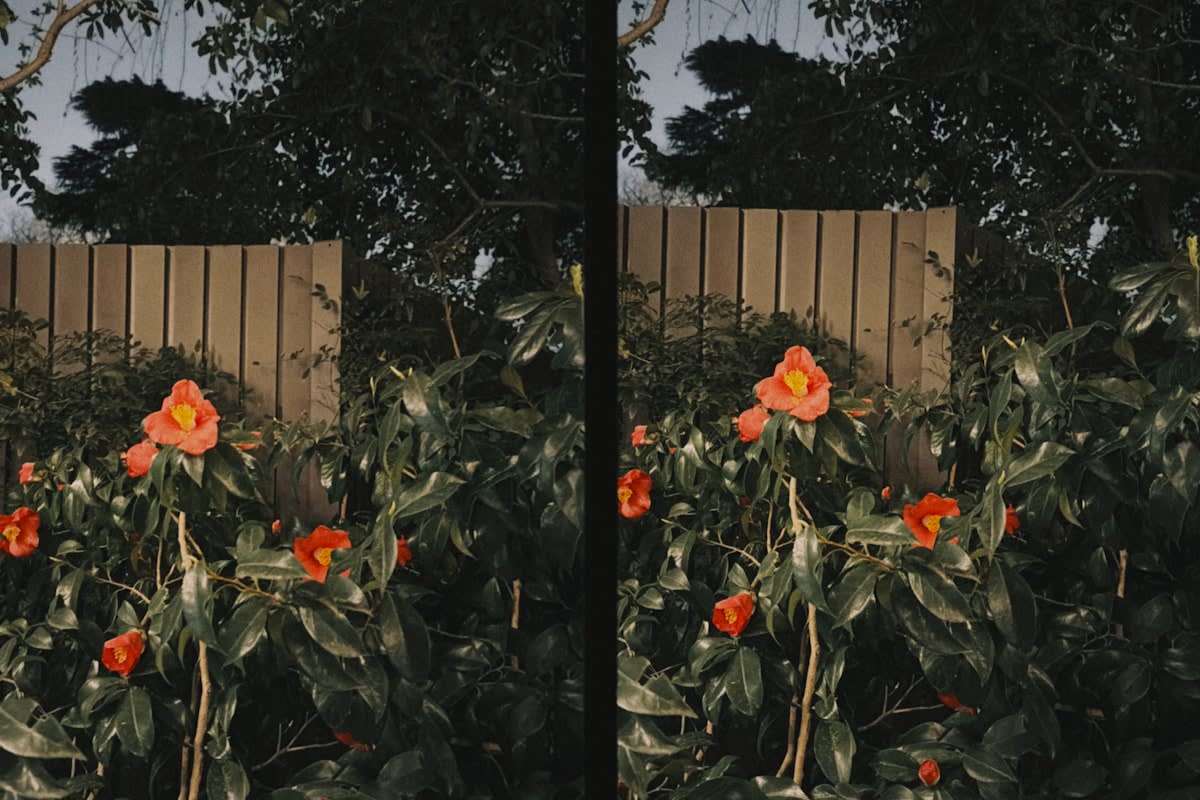
This psychological liberation is cascading from our screens into the very products we put on our bodies and in our mouths.
Beyond the Filter: The 2030 Beauty Paradigm
The beauty industry is currently undergoing a fundamental restructuring. The goal is no longer to mask the self, but to optimize the individual. According to a report from Revieve on the future face of beauty toward 2030, the industry is moving away from generic perfection toward AI-powered diagnostics and biotechnology. The value proposition has shifted from 'look like this' to 'understand your specific biology.' This is a move from the universal to the personal, where trust is built through scientific innovation and intelligent personalization rather than a glossy marketing campaign.
The Trust Pivot
The shift is systemic: Beauty is moving from 'Idealized perfection' (which is exclusionary) to 'Personalized health' (which is inclusive). Trust is now derived from data and biological reality, not from an airbrushed image.
When biotech and AI diagnostics enter the frame, the 'perfect face' becomes an obsolete concept. Instead, we see the rise of a beauty standard based on functionality and resilience. Brands that can combine high-tech precision with a raw understanding of human skin are the ones capturing the next generation of loyalty. They aren't selling a dream; they are selling a diagnostic truth.
The Taste of Complexity
This appetite for the 'unpolished' extends to our sensory experiences. For years, the global beverage market was dominated by simple, sweet, and predictable profiles. However, a recent consumer report from ADM reveals a surge in 'function-with-feeling.' Consumers across nine global markets—including Nigeria, Saudi Arabia, Brazil, Vietnam, Germany, the UK, the US, South Africa, and Australia—are now seeking flavor complexity. They are trading the one-dimensional sweetness of the past for layered sensory profiles that balance sweet with spicy, sour, and savory, often incorporating controlled bitterness and botanical notes.
| Dimension | Polished Era (2010-2020) | Realistic Era (2021-2030) |
|---|---|---|
| Social Media | Curated feeds, flawless filters | Raw, messy, 'Pratfall' honesty |
| Beauty Standard | Universal, airbrushed perfection | AI-driven, biotech personalization |
| Flavor Profiles | Simple, sweet, predictable | Complex, bitter, botanical, layered |
| Consumer Value | Prestige and aspiration | Utility and fragile resilience |
Why this shift? Because complexity mimics reality. A flavor profile that includes bitterness and spice is more 'honest' than a syrup-heavy drink. It reflects a world that is nuanced and often difficult. By incorporating these 'challenging' notes, brands are tapping into an emotional resonance that simple pleasure cannot reach. We are seeing a global appetite for products that feel as complex as the lives of the people consuming them.

This sensory evolution is a mirror of a larger economic adaptation happening in the background.
Fragile Resilience and the Utility Pivot
While we chase authenticity in our feeds and flavors, the underlying economic reality is one of 'fragile resilience.' Thomas Weinandy, a senior research economist at Upside, notes that despite stagnant incomes and high costs, certain consumer behaviors remain stubbornly strong. Specifically, demand at convenience stores has remained stable or even slightly increased compared to previous years. This suggests that consumers are not abandoning spending, but they are redistributing it. They are moving away from the 'prestige' of a single destination and spreading their visits across more brands.
This 'fragile resilience' is the economic equivalent of the Pratfall Effect. It is a survival strategy based on utility and adaptability rather than the projection of wealth. The consumer is no longer interested in the 'polished' experience of a luxury hub if a more fragmented, realistic approach provides better value. The focus has shifted from the destination to the journey—or in the case of gas stations and c-stores, to the efficiency of the stop.
- Digital Identity: Shift from curated 'Millennial' aesthetics to 'iGen' raw realism to combat body dissatisfaction.
- Beauty & Wellness: Transition from universal perfection to AI-powered, biotech-driven personalization by 2030.
- Sensory Consumption: Movement toward 'function-with-feeling' with complex, layered flavor profiles across 9 global markets.
- Economic Behavior: Emergence of 'fragile resilience' where utility and brand diversification outweigh prestige.
We are witnessing the end of the era of the facade. Whether it is the acceptance of a blunder on Instagram, the embrace of biological reality in skincare, or the preference for a bitter botanical note in a drink, the signal is clear: the world is tired of the lie. The 'Authenticity Premium' is now the most potent force in the market. Those who continue to polish their image until it is featureless will find themselves irrelevant. The future belongs to the raw, the complex, and the courageously imperfect.