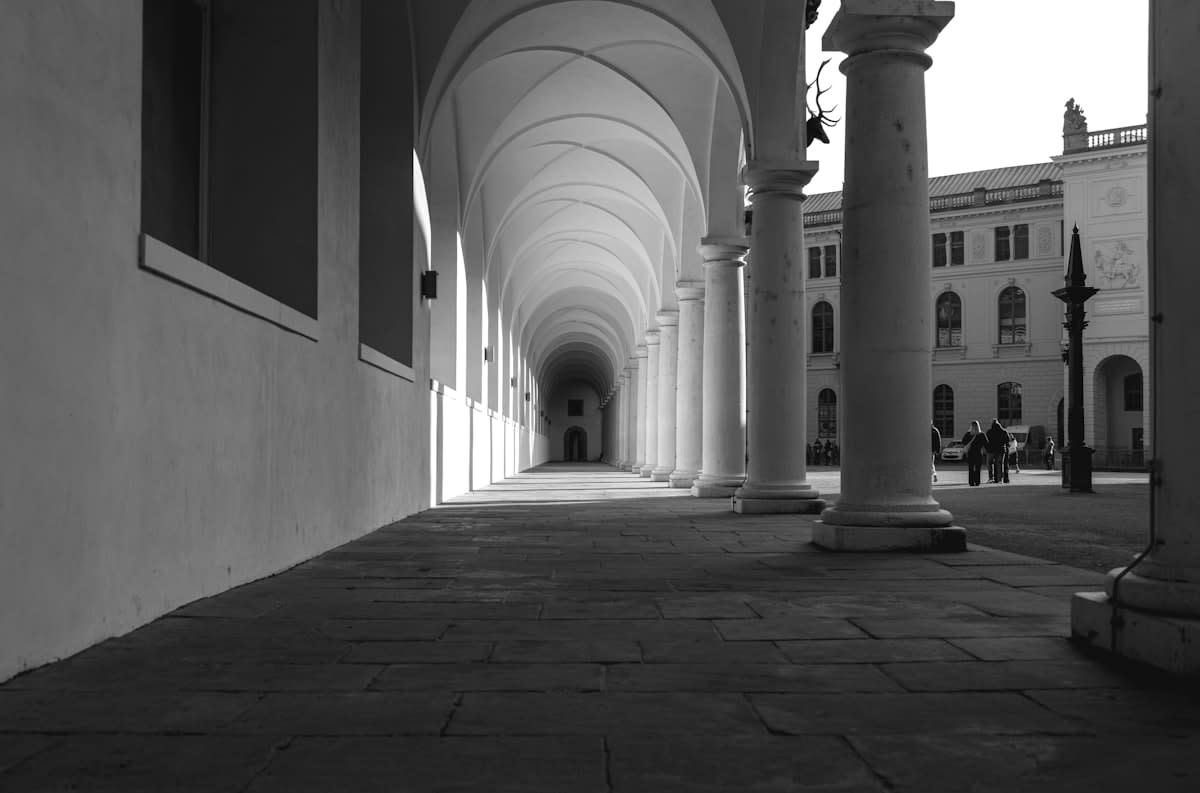
The Infrastructure of Belonging
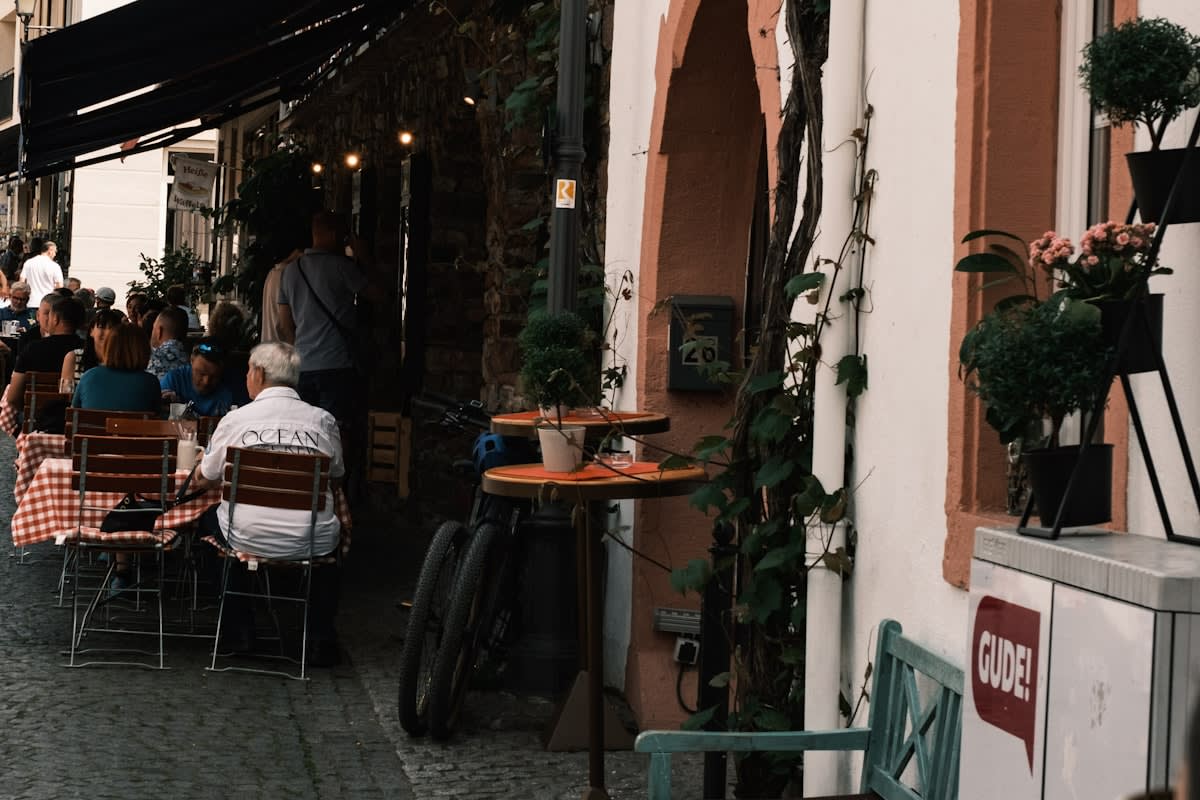
We traded the plaza for the platform. It seemed like a fair swap at the time. For decades, the sociological concept of the Third Place—those neutral grounds between the home (first place) and work (second place)—served as the invisible glue of civilization. These were the libraries, the neighborhood pubs, the Japanese kissaten, and the Latin American plazas where the cost of entry was negligible and the social stakes were low. They provided a sanctuary for serendipity, allowing individuals to encounter people outside their immediate socioeconomic or familial circles without a scheduled appointment. Now, those spaces are vanishing, replaced by a curated, transactional version of community.
Why does this matter? Because human connection requires friction. The Third Place provided 'low-stakes' social interaction—the kind of nodding acquaintance with a barista or a brief debate with a stranger over a newspaper. This friction prevents the hardening of social silos. When we remove the physical spaces that force us to coexist with the 'other,' we don't just become lonely; we become fragile. We lose the ability to navigate disagreement and the capacity to feel a sense of belonging to a geography rather than an algorithm.
The erosion is not an accident; it is a systemic outcome of the efficiency trap. In North American suburbs, car-centric zoning laws effectively outlawed the corner store and the walkable square, forcing social interaction into scheduled events or private living rooms. In East Asian megacities, the relentless pressure of the corporate 'second place' has squeezed out the time and space for casual lingering. We have optimized our cities for the movement of capital and the speed of delivery, forgetting that the most valuable parts of a city are often the 'inefficient' spaces where nothing productive happens.
| Feature | Traditional Third Place | Digital Substitute | Commercialized 'Vibe' Space |
|---|---|---|---|
| Entry Cost | Low/Zero | Free (Data-driven) | High (Pay-to-stay) |
| Social Friction | High (Serendipitous) | Low (Algorithmic) | Moderate (Performative) |
| Primary Goal | Community/Belonging | Information/Validation | Consumption/Aesthetics |
| Stability | Generational | Ephemeral | Trend-dependent |
Is the internet a viable replacement? This is the central delusion of the digital age. While platforms like Discord or Reddit offer a sense of niche community, they lack the essential element of physical proximity. Digital spaces are curated echo chambers; you only encounter people who share your specific interests or ideologies. A physical Third Place, however, forces you to encounter the neighbor you dislike or the stranger whose politics offend you. This is not a bug; it is the feature. The ability to tolerate the presence of the different is a muscle that atrophies in the absence of shared physical space.
"The tragedy of the modern city is that we have more ways to connect than ever before, yet fewer places to actually be together."— Strategic Analysis on Urban Sociology
Consider the global shift in how we consume leisure. The 'coffee shop' has evolved from a community hub into a remote-work office. Look around any modern cafe in London, Seoul, or New York: the tables are filled with people wearing noise-canceling headphones, staring at screens, effectively creating a 'private bubble' in a public space. We are physically present but socially absent. This phenomenon, known as 'alone together,' transforms the Third Place into a mere utility—a place to buy caffeine and use Wi-Fi—rather than a place to build social capital.
The Missing Link
The 'Low-Stakes' Paradox: We crave deep connection, but deep connection is only possible after a foundation of low-stakes, casual interactions. By skipping the 'acquaintance' phase through digital matching, we increase the pressure on our few remaining relationships, leading to faster burnout and deeper loneliness.
This systemic collapse correlates directly with the rise of global loneliness statistics. While the numbers vary, estimates suggest that up to 25% of adults globally report feeling lonely frequently. This is not a mental health crisis in the clinical sense; it is a rational response to an environment that has stripped away the infrastructure of belonging. When the only places left to go are those where you must pay to exist or those where you are monitored by an algorithm, the cost of socializing becomes too high for the average person to bear.
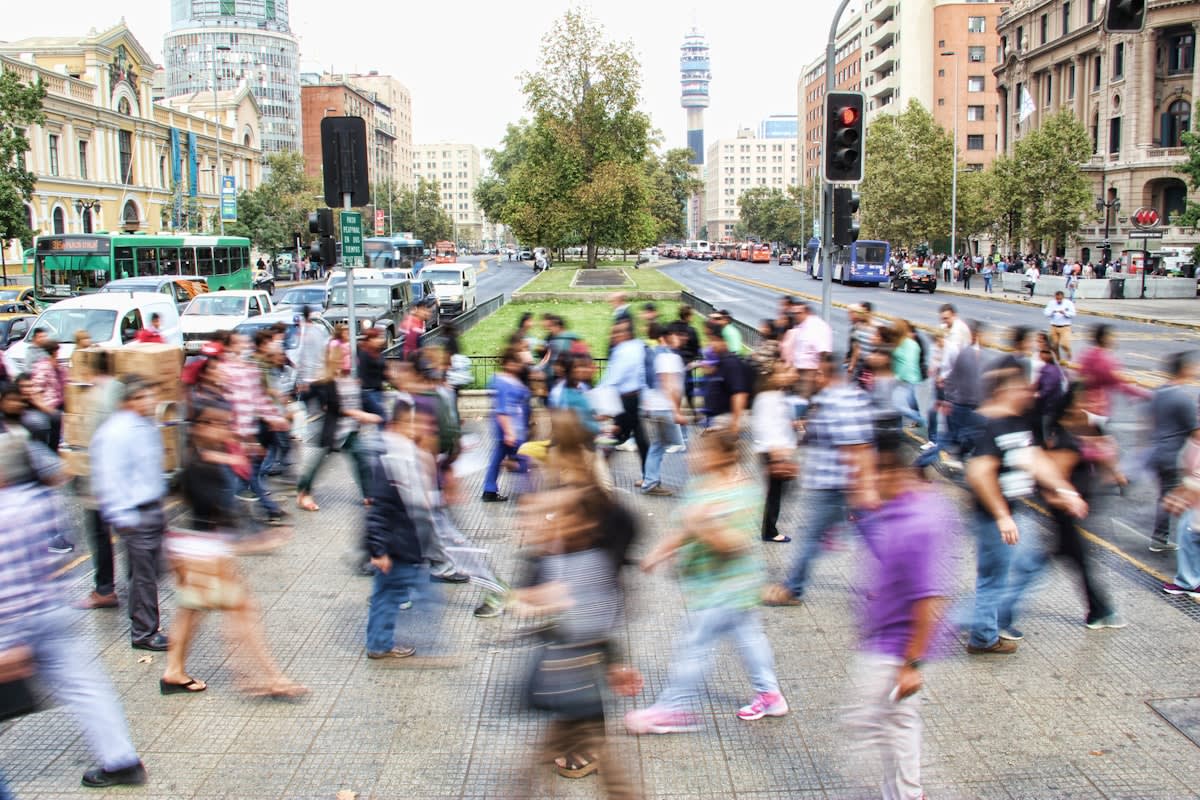
However, the narrative of inevitable decline is too simple. We are seeing the emergence of a counter-trend: the intentional reclamation of space. From the 'third place' revival in urban planning—where cities are redesigning streets to prioritize pedestrians over cars—to the rise of 'social wellness' clubs, people are actively seeking the friction they've been denied. The opportunity lies in moving away from commercialized leisure and toward 'civic' leisure.
Resilience in the face of this epidemic requires a shift in how we value time and space. We must stop viewing the 'unproductive' hour spent chatting at a community garden or a public library as wasted time. In a world of hyper-optimization, the most radical act is to create a space where nothing is for sale and no one is being tracked. The future of community is not found in a new app, but in the boring, physical reality of shared walls and shared benches.
The Divergence of Connection
Executive Insight
+18.4%
YTD Growth
Ultimately, the death of the Third Place is a design flaw, not a human one. We are biologically wired for the casual, the unplanned, and the communal. When we build worlds that prioritize the individual over the collective, we shouldn't be surprised when the individual feels isolated. The path forward is not to 'cure' loneliness with therapy or technology, but to rebuild the physical stages upon which the drama of community can actually unfold.