American embassies tighten security as Iran threat warnings intensify ahead of U.S. midterm elections
Source Entity
US Top News and Analysis
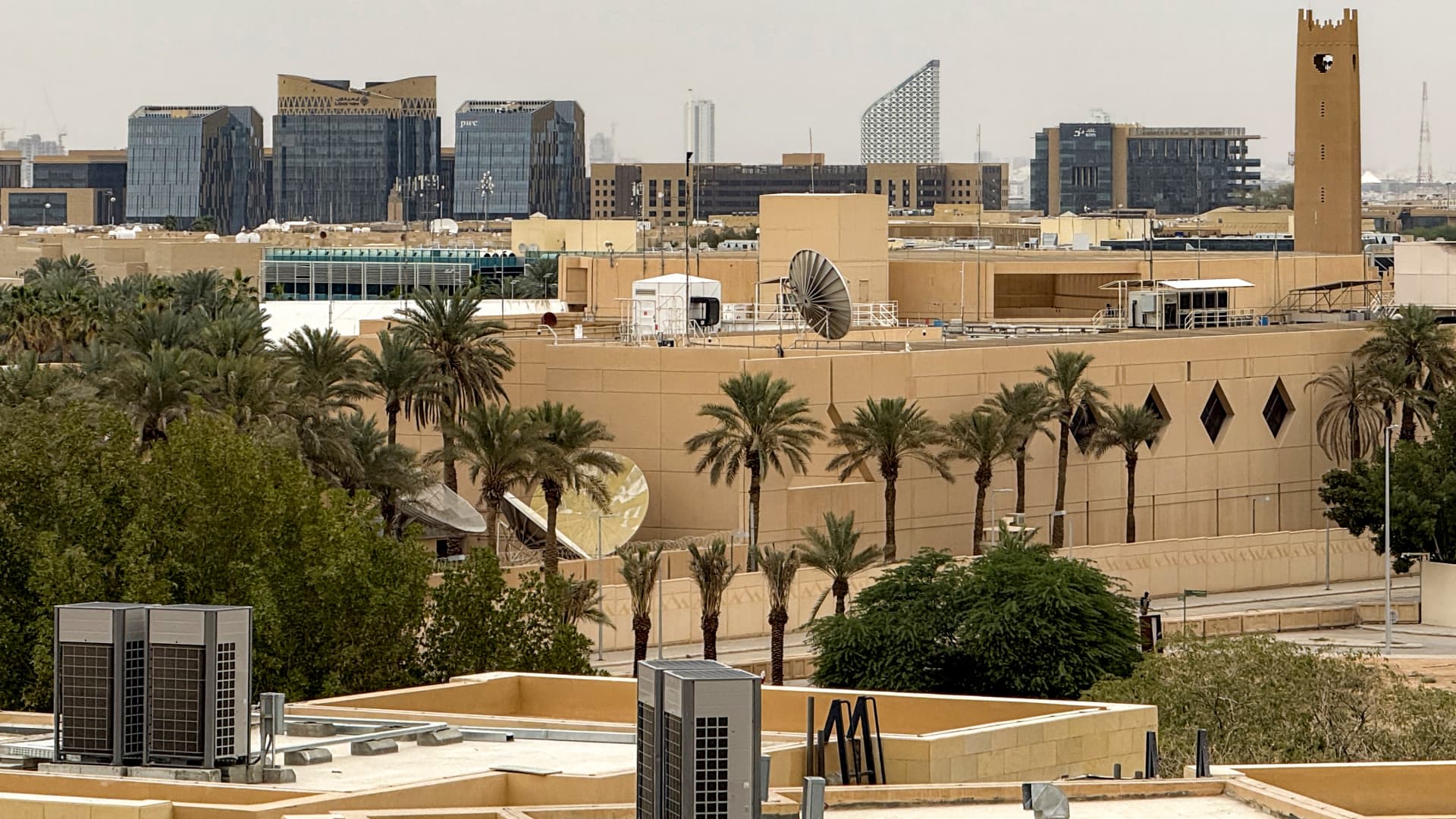
The U.S. government has initiated staff reductions at several Middle Eastern embassies following intelligence reports that Iranian-led plots against American personnel have reached advanced stages. These threats, combined with ongoing Houthi attacks, have forced a significant security recalibration during an already volatile period of regional conflict.
Heightened Security Amidst Emerging Iranian Threats
Recent intelligence reports have signaled a critical escalation in the security environment for United States diplomatic personnel across the Middle East and beyond. According to an unclassified memo provided by Director of National Intelligence Jay Clayton to Secretary of State Marco Rubio, Iranian efforts to target American citizens and government officials have moved into "advanced stages." This assessment, which suggests potential lethality, has necessitated an immediate shift in U.S. protective posture.
Strategic Drawdowns and Embassy Security
In response to these intelligence warnings, the U.S. State Department has begun reducing staffing levels at embassies in Jordan, Lebanon, Qatar, and the United Arab Emirates. Furthermore, the situation in Saudi Arabia has become particularly precarious, leading to an order for non-essential government employees and their families to evacuate. These measures reflect a tactical pivot toward risk mitigation, prioritizing the physical safety of diplomatic staff as the regional conflict approaches its eighth month.
The Role of Regional Proxies and Houthi Escalation
The threat environment is further complicated by the activities of Iran-backed groups, most notably the Houthis. The intensification of Houthi assaults on Saudi territory has exacerbated the security crisis, forcing a broader re-evaluation of how the United States protects its interests in the region. The synergy between state-level Iranian plots and non-state actor aggression creates a complex landscape where traditional diplomatic presence is increasingly vulnerable to asymmetric warfare.
Political Implications and the Trump Administration
The current administration, under President Donald Trump, is navigating these warnings during a sensitive period leading up to midterm elections. With the White House keeping the option of "renewed strikes" open, the administration faces the delicate challenge of deterring Iranian aggression without triggering an uncontrollable, wider regional confrontation. The focus remains on balancing reactive security measures, such as embassy drawdowns, with proactive military posturing.
Historical Context and Future Trends
This development marks a significant nadir in the ongoing war between the U.S. and Tehran. As intelligence agencies report a "substantial increase" in targeting efforts, the trend suggests a move away from conventional diplomacy toward a period of heightened intelligence-led defensive operations. The fact that these plots extend beyond the Middle East indicates a globalized threat vector, forcing the U.S. to scrutinize security protocols on a much wider scale than previously anticipated.
Conclusion
As the situation continues to evolve, the primary objective for U.S. intelligence and diplomatic services remains the prevention of loss of life. The "advanced stage" warnings serve as a stark reminder of the volatility inherent in the current U.S.-Iran dynamic. Moving forward, the effectiveness of these security measures will be tested against the backdrop of sustained regional conflict and the administration's resolve in responding to direct threats against its personnel.
Multiple Citing Sources