The Myth of the Biological Default
For decades, the global social architecture has rested on a singular, rigid assumption: that biological ties are the only reliable foundation for a safety net. We call this the nuclear norm. It posits that two parents and their children form the elementary unit of society, a structure that BetterHelp identifies as the traditional standard in many cultures. But is this biological tether actually a source of strength, or is it a legacy system operating on autopilot? The reality is that many individuals are now questioning the inherent value of kinship based solely on birth.
This systemic inertia is what Dr. Rin Reczek describes as compulsory kinship. It is the cultural water we swim in, an invisible force that dictates we must preserve family bonds regardless of the emotional or psychological cost. Under this regime, the expectation is that family of origin is forever, fueled by a belief that biology and history override personal wellbeing. When people break these bonds, society often labels it as a moral failure or a temporary crisis. In reality, it is a clash of values.
"Instead of seeing estrangement as a trend or a moral failure... estrangement points to a larger cultural clash about what does family mean."— Dr. Rin Reczek
Why does this matter on a global scale? Because the nuclear family is a fragile point of failure. When the biological unit collapses or becomes toxic, the individual is left without a safety net because the culture provides no legitimate alternative. We are seeing a global pivot where the 'family' is no longer a given, but a choice. This isn't about the rise of loneliness; it is about the rise of intentionality.
The Transition to Democratized Kinship
The shift from compulsory kinship to democratized kinship represents a fundamental change in why people associate. In the old model, kinship was a matter of fate—you were in a family because you were born into it or because financial ties forced your hand. The new model is a conscious decision. People are transitioning from a state of biological obligation to one of intentional selection. This allows for the creation of support networks based on shared values, mutual respect, and emotional safety rather than shared DNA.
This evolution mirrors a broader sociological trend regarding the autonomy of consciously chosen values. As noted in the Transactions of the Fourth World Congress of Sociology, the ability to move beyond inherited sub-structures allows for a higher degree of thought autonomy. When we stop accepting the nuclear family as the only valid social unit, we open the door to a variety of kinship structures. These range from extended families—which have existed for centuries across diverse cultures—to entirely non-biological chosen families.
| Dimension | Compulsory Kinship | Democratized Kinship |
|---|---|---|
| Basis of Bond | Biology and History | Shared Values and Intent |
| Entry Mechanism | Birth/Inheritance | Conscious Selection |
| Primary Driver | Social Expectation | Emotional Alignment |
| View of Estrangement | Moral Failure/Crisis | Boundary Setting/Autonomy |
| Safety Net Logic | Obligatory Support | Reciprocal Care |
The implications for global social safety nets are profound. If the primary unit of support is no longer the biological family, how do we organize care for the elderly or support for the young? The answer lies in the diversification of family types. BetterHelp identifies at least six different family dynamics, proving that the nuclear model is just one of many possibilities. By legitimizing these diverse structures, society can build more resilient, flexible nets that don't snap when a single biological relationship fails.
The Core Insight
The shift toward chosen families is not a rejection of love, but a rejection of the idea that love is an obligation owed to those who share your genetics.
Architecture as an Agent of Social Change
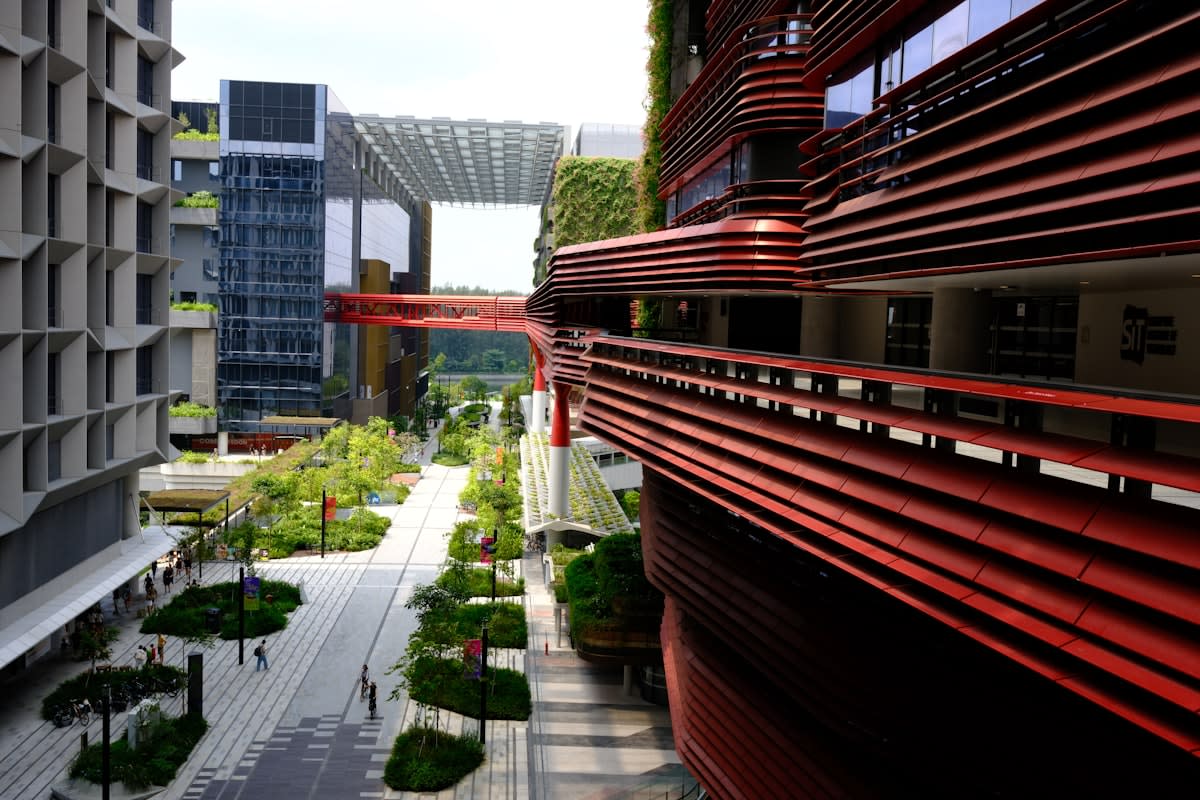
This social shift is not just happening in our minds; it is being etched into our cities. We are seeing a move toward people-centered communities that prioritize intentional living over traditional domestic isolation. A prime example is the recent development in Makati, where Philippine and Japanese expertise have converged to create residential spaces designed for the future. This project, featuring a 37-storey tower with 252 residences, explicitly focuses on intentional living and space optimization.
When architecture prioritizes flexibility and movement, it supports the fluid nature of democratized kinship. Instead of homes designed solely for a nuclear unit (two parents and children), these modern developments create environments where community interaction is baked into the design. By combining sustainable development with a focus on the human collective, these spaces allow individuals to build their own social ecosystems. They provide the physical infrastructure for chosen families to coexist and support one another.
Is it a coincidence that these shifts are happening simultaneously in urban hubs across Asia and the West? Hardly. The pressures of global mobility and the collapse of traditional employment stability have made the nuclear family an impractical unit for many. When you move across borders for work, your biological safety net is thousands of miles away. You are forced to build a new one. This necessity is accelerating the transition to democratized kinship globally.
Building the Resilient Future
The end of the nuclear norm is not a tragedy; it is an upgrade. By moving away from the biological mandate, we are creating a society where support is based on health and reciprocity rather than obligation and guilt. This allows for a more honest assessment of what a safety net actually requires: trust, reliability, and shared purpose. When kinship is democratized, the bonds are often stronger because they were chosen, not imposed.
The challenge now lies in the institutional lag. Our laws, insurance policies, and healthcare systems are still largely designed for the nuclear family. To truly leverage the resilience of chosen families, these systems must evolve. We need a legal and social framework that recognizes intentional kinship as a valid basis for dependency and care. Until then, the individuals pioneering these new social safety nets will continue to operate in the gaps of an outdated system.
Ultimately, the transition toward democratized kinship is an act of resilience. It is the human collective adapting to a world where the old scripts no longer work. By redefining family as a practice of intentionality rather than a biological fact, we are not losing our connection to others. We are finally learning how to choose them.