
The old guard of wealth once shouted. It screamed through gold-plated fixtures, oversized logos, and a desperate need for visibility. But look at the newly minted millionaires of the AI boom, and you will see a different strategy. This is not the casual dressing of the early 2010s tech-bro; it is something far more calculated. We are witnessing the rise of a strategic austerity where the primary goal is not to be seen, but to be recognized only by those who know exactly what a Loro Piana jacket costs. Why the shift? Because in an era of hyper-visibility, the only true luxury left is the ability to be invisible.
The Uniform of the Invisible Elite
For the AI money crowd, the wardrobe has become a tool for narrative framing. By adopting a quiet luxury aesthetic, these founders are not just buying clothes; they are buying a persona. According to Scott Kerr of Silvertone Consulting, this preference for neutral, classic styles allows AI builders to frame themselves as ethical architects rather than opportunistic profiteers. When you wear Bottega Veneta ready-to-wear without a single visible logo, you aren't just hiding your wealth—you are signaling that your status is so secure it no longer requires validation from the masses. It is a power move disguised as humility.
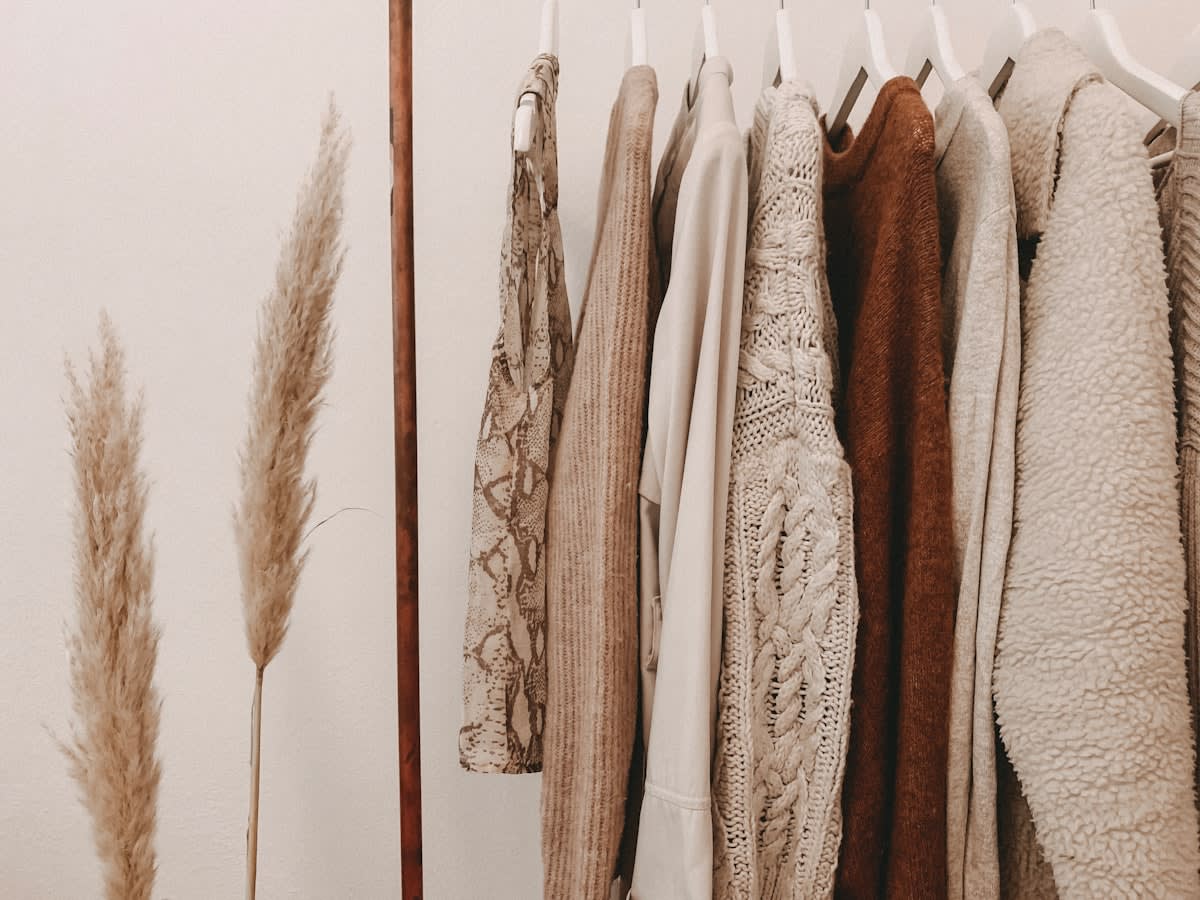
This aesthetic shift is not a localized fashion trend; it is a systemic realignment of how power is performed. The move toward 'quiet' is a reaction to the noise of the digital age. When every aspect of one's life is indexed, searchable, and algorithmically parsed, the most valuable asset becomes the unsearchable. The AI elite are treating their public image as a firewall, using neutral tones and classic cuts to create a buffer between their private influence and public scrutiny.
Greige and the Architecture of Exclusion
The philosophy of silence extends beyond the wardrobe and into the very walls we inhabit. Take, for example, the debut of the Armani/Casa private residence at One Circular Quay in Sydney. Here, the defining feature is 'greige'—that precise, calculated intersection of grey and beige. This isn't just a color choice; it is a psychological environment. As John Taylor of Lendlease notes, the conviction here is that true luxury is quiet, considered, and made to last. In a city as loud and kinetic as Sydney, the ability to retreat into a restrained, sophisticated aesthetic is the ultimate flex.
"True luxury is quiet, considered and made to last."— John Taylor, Head of Product & Design at Lendlease
What does it mean for a home to be 'considered'? It means the removal of friction. The Armani/Casa residence is designed to eliminate the visual and auditory noise of urban existence. By utilizing a palette and layout that minimizes stimulation, the space becomes a sanctuary of control. This is the 'Silence Economy' in physical form: the commodification of peace. When the world outside is chaotic, the person who can afford a 'greige' sanctuary isn't just buying a home; they are buying a cognitive advantage.
| Dimension | The Loud Economy | The Silence Economy |
|---|---|---|
| Visual Marker | Logomania / Bold Prints | Neutral Tones / 'Greige' |
| Primary Signal | Immediate Recognition | Coded Recognition (Insider Only) |
| Psychological Goal | Attention & Validation | Privacy & Cognitive Control |
| Key Asset | Visibility | Invisibility |
| Philosophy | Consumption as Performance | Restraint as Power |
But we must ask: is this retreat into silence a genuine pursuit of peace, or is it simply a more sophisticated form of gatekeeping? By shifting the markers of wealth from the obvious to the oblique, the elite create a new, more exclusive club. If you don't recognize the cut of a Loro Piana jacket, you aren't part of the conversation. The silence is not for everyone; it is a selective filter.
Spatial Agency and the Engineering of Quiet
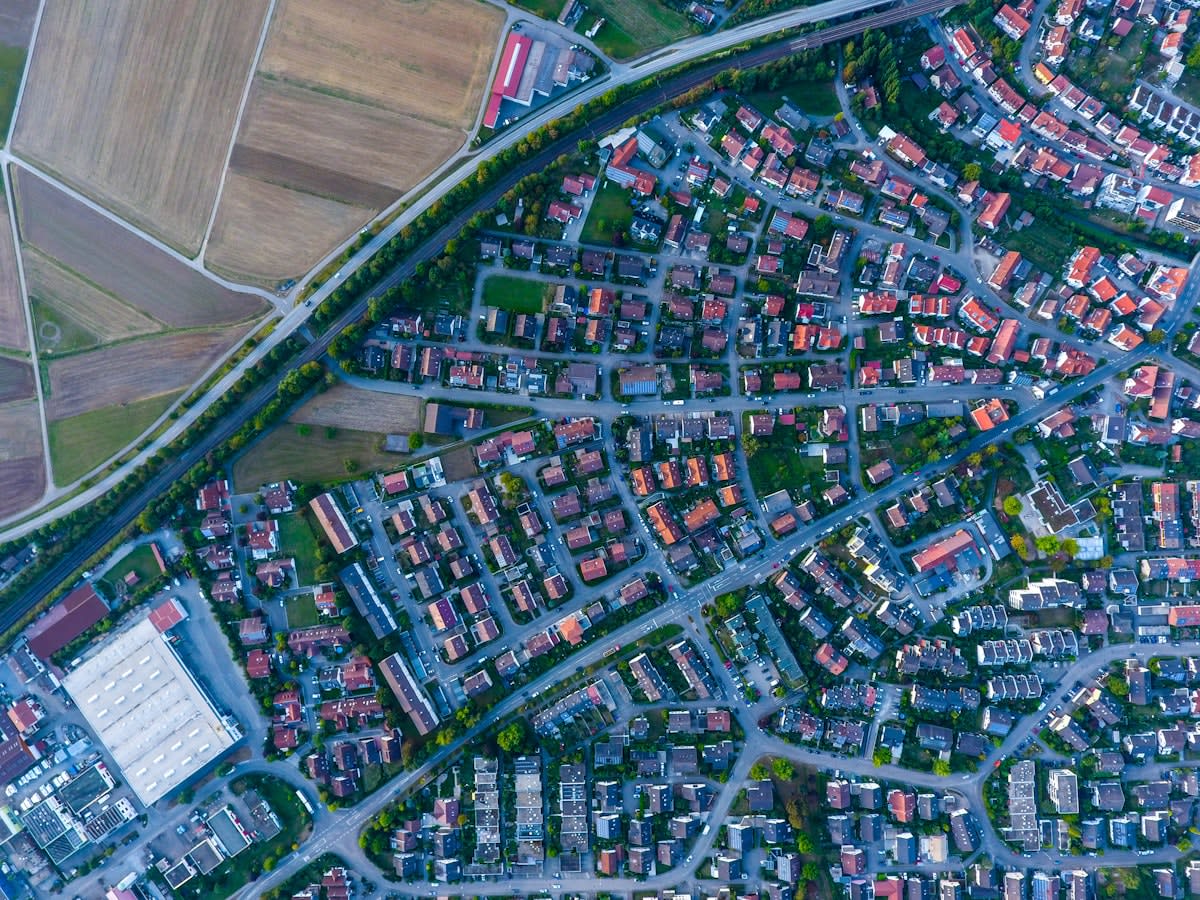
To understand the systemic nature of this shift, we have to look at how we design our cities. A recent systematic review published in Nature argues that urban sustainability science has long ignored the built environment, treating it as a mere backdrop. However, the proposed social-ecological-spatial systems framework suggests that the built environment is actually an agentic system with its own causal powers. This means that the way a city is structured—its morphology and materiality—directly dictates who gets access to silence and who is forced to live in noise.
The Spatial Gap
The research shows that more than 90% of reviewed urban social-ecological systems studies fail to engage the built environment as a dynamic system, treating space instrumentally rather than as a source of power.
When we apply this to the Silence Economy, the implication is clear: silence is a spatial product. The 'quiet' of an Armani/Casa residence isn't an accident; it is the result of spatial production theory in action. By controlling the materiality and configuration of the environment, the wealthy can engineer a version of reality where noise is deleted. Silence, therefore, is not a natural state but a manufactured luxury, accessible only to those who can manipulate the spatial systems of the city.
The Mandated Moment vs. The Chosen Silence
While the elite buy their silence, the state sometimes imposes it. In Idaho, a regulation taking effect July 1 requires all public school students to observe a moment of silence for a minimum of sixty seconds at the start of each day. On the surface, this appears to be a pursuit of mindfulness or reflection. However, it highlights a critical tension: the difference between silence as a luxury and silence as a mandate. When silence is forced, it ceases to be a tool for cognitive liberation and becomes a tool for behavioral regulation.
This distinction is vital. The AI millionaire chooses silence to protect their brand and their peace; the student in Idaho is required to be silent by law. One is an expression of agency; the other is an exercise of authority. This brings us to the darker side of the Silence Economy: the thin line between quietude and censorship.
Artist and activist Ai Weiwei has spent his career navigating this exact boundary. In his 2026 essay 'On Censorship,' Weiwei explores how silence is weaponized by the state to erase dissent. While the luxury market sells silence as a 'sophisticated' retreat, the political reality is that forced silence is a mechanism of control. The 'quiet' that the elite enjoy is only possible because they possess the power to decide when to speak and when to vanish.
The Pendulum of Visibility
As with all systemic shifts, there is an inevitable counter-reaction. We are already seeing the pendulum swing back in certain sectors of fashion. Some insiders are rejecting the 'pared-back' style of quiet luxury in favor of loud prints and personality-driven fashion. Brands like La Veste, with their multi-colored striped pants, and Staud, with their printed bags, are capitalizing on a desire to be seen again. This 'loud' comeback is a reaction to the perceived sterility of the quiet luxury movement.
But do not mistake this for a defeat of the Silence Economy. The return to loud prints is a trend for the 'confident dresser,' but it remains a performance for the public eye. The truly powerful do not need to swing the pendulum; they simply step off the ride. The AI elite will likely continue to favor Loro Piana and 'greige' interiors because these choices provide something that a loud print cannot: a strategic exit from the noise.
Ultimately, the Silence Economy is about the redistribution of attention. In a world where attention is the primary currency, the most expensive thing you can buy is the right to not give it, and the right to not receive it. Whether through the spatial engineering of a Sydney penthouse or the curated anonymity of a logo-less wardrobe, the goal is the same: the acquisition of a private, silent world where the noise of the masses cannot penetrate.