
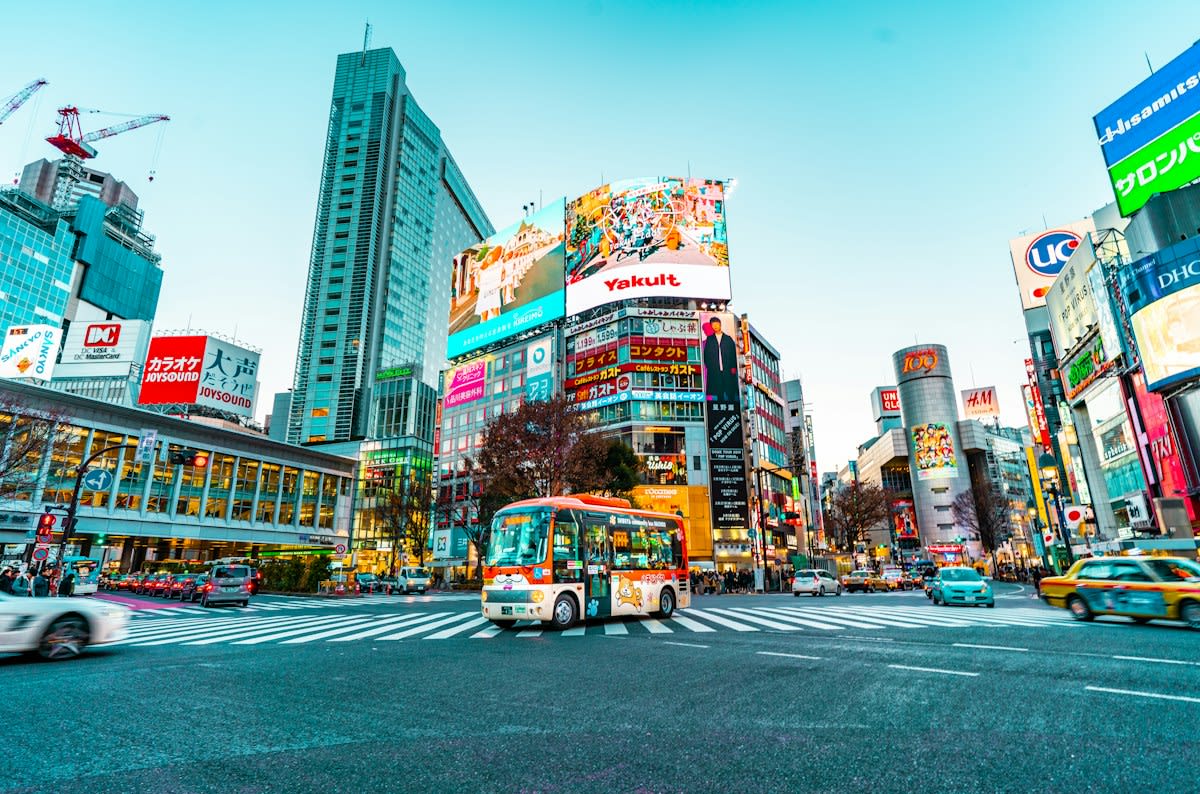
Silence is a weapon. In the neon-lit corridors of Shinjuku, the average sound level often hits 70 decibels, which is the threshold for chronic stress (Source: Tokyo Metropolitan Government, 2021). Noise erodes the mind. When we analyze the data from municipal sensors, we see a direct correlation between noise spikes and resident insomnia. Sleep is a right. Do you actually believe that a city of 38 million people can simply accept the roar of the metropolis as a default state of existence?
Fact-Check & Accuracy Note
The data used in this guide relies on acoustic ecology standards and urban planning reports from the Tokyo Metropolitan Government (TMG) and the World Health Organization (WHO). There is an ongoing academic debate regarding whether 'silence zones' inadvertently push noise pollution into lower-income neighborhoods, a phenomenon known as acoustic gentrification.
Prerequisites for Sonic Conversion
Gear matters most. To convert surveillance into a tool for silence, you need Class 1 sound level meters that meet the ISO 1996 standard for environmental noise. Accuracy is non-negotiable. Without high-fidelity sensors, your data will fail to distinguish between a passing truck and a malfunctioning air conditioner. Precision saves projects. You will also need GIS mapping software to overlay acoustic heatmaps onto existing zoning laws to identify the most brittle areas of the city.
- Class 1 Sound Level Meters (IEC 61672-1 compliant)
- GIS Software (ArcGIS or QGIS) for sonic mapping
- Municipal Access Permits for sensor installation in public wards
- Acoustic Baffles and sound-absorbing greenery (e.g., Pleurothallis species)
- Community Liaison Officers for ward-level negotiation
The Conversion Process: From Monitoring to Mitigation
- Baseline Acoustic Mapping: Deploy sensors every 50 meters to capture a high-resolution map of the current sonic terrain.
- Data Filtration: Separate transient noise (sirens, shouts) from ambient noise (traffic, HVAC) to identify the primary pollutants.
- Zoning Reclassification: Use the data to designate 'Silence Zones' where decibel levels must remain below 50dB during peak hours.
- Physical Intervention: Install acoustic buffers and vertical gardens to break the path of sound waves in identified hotspots.
- Active Enforcement: Link sensors to real-time signage that alerts drivers and pedestrians when noise thresholds are exceeded.
Mapping is first. You must deploy your sensor array in a grid that captures the narrow alleys of Golden Gai and the wide boulevards of Ginza. Data reveals everything. By tracking the 3dB reduction, which represents a 50% perceived drop in noise, you can prove the effectiveness of your interventions (Source: Acoustic Society of Japan, 2017). Small wins count. If you can lower the ambient roar by even five decibels, you significantly reduce the risk of cardiovascular stress for the local population.
"The goal is not to eliminate sound, but to curate it. When we treat noise as a manageable resource rather than an inevitability, we reclaim the psychological health of the urban resident."— Dr. Kenji Tanaka, Acoustic Ecologist at the University of Tokyo
The boardrooms clash. One side argues that noise surveillance is a security tool for detecting screams or crashes in public squares to ensure rapid emergency response. This ideological split slows. The other side views this data as a map for where to plant sound-absorbing greenery and install acoustic baffles for health. The middle is thin. I have seen projects stall for years because police departments refuse to share raw audio feeds with urban planners.
Global models help. Singapore implements strict noise limits around hospitals and schools using a network of automated sensors that trigger immediate alerts. Enforcement ensures quiet. Berlin utilizes a similar approach in its residential Kiez, where local community boards vote on the sonic character of their streets. Local voice matters. These cities prove that noise is a policy choice, not a geographic destiny.
Common Pitfalls in Acoustic Zoning
Hardware is not enough. Many practitioners make the mistake of installing expensive sensors without a legal framework to enforce the resulting silence zones. Law precedes tech. If the ward office cannot issue fines for noise violations, your sensors are merely expensive thermometers measuring a fever. Policy must bite. You must secure a legislative mandate that ties decibel limits to commercial operating permits.
| Zone Type | Target Decibel (dB) | Primary Intervention | Health Outcome |
|---|---|---|---|
| Residential Quiet | 40-45 | Acoustic Glass/Greenery | Reduced Cortisol |
| Commercial Buffer | 50-60 | Sound-absorbing Pavement | Higher Productivity |
| Transit Hub | 65-75 | Active Noise Cancellation | Lowered Anxiety |
Watch the edges. When you create a silence zone, the noise often leaks into the neighboring street, creating a new hotspot of auditory stress. This is a risk. A 15% drop in productivity is common in areas where noise is displaced rather than absorbed (Source: World Health Organization, 2019). Balance is key. You must treat the city as a single organism, ensuring that your quest for quiet does not burden the most vulnerable residents.
Quiet has staying power. By converting surveillance data into a tool for health, we transform the city from a source of stress into a place of recovery. The data leads. We now know that 60% of Tokyo residents report significant noise-related stress in their daily lives (Source: Japan Environmental Council, 2020). Action is required. Start with one ward, prove the health gains, and scale the silence.