
Scorched polymer reeks in Shinjuku. The municipal waste stream now incorporates advanced polymer recovery systems targeting a reduction in single-use saturation across the metropolitan area through high-volume corporate mandates (Source: ITOCHU, 2026). This is not a grassroots movement born of civic virtue but a calculated pivot by conglomerate giants facing the thermodynamic reality of waste saturation.
The scale of this shift is visible in the logistics of garment recovery. ITOCHU Group is scaling its RENU initiative to process waste volumes equivalent to 4.8 million T-shirts, a move intended to slash CO2 emissions by 1,491 tons and reduce water consumption by 5,018 kiloliters (Source: ITOCHU, 2026). By March 2026, the group intends to operate approximately 6,000 collection points for its Wear to Fashion service, turning the act of disposal into a streamlined industrial feed.
The Corporate Calculus of Net Zero
Corporate survival now demands a bioplastic roadmap. ITOCHU is actively coordinating with brand owners to integrate environmental-friendly materials into supply chains, specifically targeting the eradication of marine plastics and waste plastics (Source: ITOCHU, 2026). The objective is a 75% reduction in greenhouse gas emissions from 2018 levels by 2040, with a hard target of net zero by 2050.
| Metric | Projected Impact/Value | Source |
|---|---|---|
| RENU Waste Volume | 4.8 Million T-shirts equivalent | ITOCHU, 2026 |
| CO2 Reduction | 1,491 Tons | ITOCHU, 2026 |
| Water Usage Reduction | 5,018 Kiloliters | ITOCHU, 2026 |
| Collection Points | 6,000 (by March 2026) | ITOCHU, 2026 |
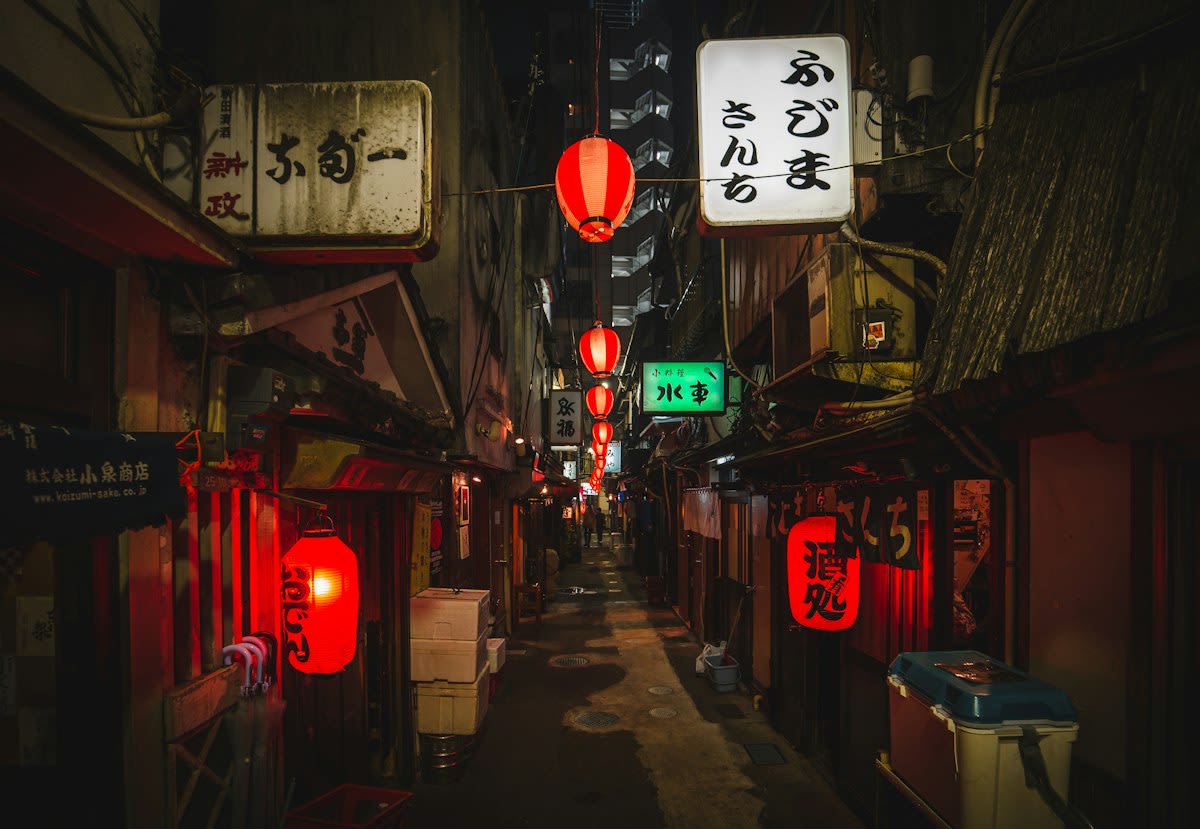
This industrialization of recycling creates a strange friction in the streets of Tokyo. While the fluorescent flicker of convenience stores still illuminates rows of plastic-wrapped onigiri, the back-end logistics are shifting toward bioplastics and circularity. The entry of SodaStream into the Tokyo market via PepsiCo's insights lead indicates a push toward eliminating the PET bottle entirely at the consumer level (Source: PepsiCo, 2026).
The shift moves from the boardroom to the luxury hotel suites of the Japanese Alps.
Eco-Certification as a Luxury Asset
Green labels are the new currency. The number of Japanese hotels holding the Green Key international eco-certificate surged from seven in 2024 to 41 facilities as of late 2026 (Source: Japan Times, 2026). Simultaneously, the local certifier Sakura Quality has expanded its reach to 247 facilities, nearly tripling its 2024 figures, suggesting that sustainability is now a prerequisite for hospitality competitiveness.
Hoshino Resorts is leading this charge through properties like Hoshinoya Karuizawa and the Iriomote Hotel. Their strategy involves the Zero Carbon Park plan, which prioritizes the dissemination of renewable energy from solar and local biomass while aggressively reducing plastic use (Source: Japan Times, 2026). This is sustainability as an aesthetic, where the absence of plastic is marketed as a premium experience.
"The Zero Carbon Park plan involves disseminating renewable energy from solar power and local biomass, reducing plastic use, and prioritizing the development of sustainable tourism."— Fujie, Operator of Raicho Hot Spring Inn
In the mountains of Nagano, the Raicho inn is experimenting with long-term workation stays to minimize emissions. By facilitating adventures on foot and bicycle through the 117-kilometer Shinpi Trail, they aim to remove the reliance on private vehicles and the associated plastic waste of short-term transit (Source: Japan Times, 2026). It is a clinical approach to tourism that treats the guest as a data point in a carbon-reduction equation.

From a practitioner's perspective, the friction is palpable. Implementing a zero-plastic mandate in a culture obsessed with pristine packaging requires more than just a policy change; it requires a psychological war against the ingrained habit of over-wrapping. I have seen the debates in the back offices of Shinjuku hotels where the desire for a Green Key certification clashes with the guest's expectation of a sealed, plastic-wrapped amenity kit. The tension exists between the clinical goals of the sustainability report and the visceral reality of the guest experience.
Yet, the numbers reveal a widening gap between corporate ambition and systemic reality.
The Failure Point: Volume vs. Virtue
Tourism volume threatens to erase these gains. While the number of certified eco-hotels is rising, the sheer influx of global travelers into Tokyo and the surrounding prefectures creates a waste surge that threatens to overwhelm the 6,000 collection points planned by ITOCHU (Source: Japan Times, 2026). The delta between a certified hotel and a city-wide plastic crisis is narrow.
The reliance on bioplastics also introduces a new risk. If the waste stream is not perfectly segregated, bioplastics can contaminate traditional recycling loops, turning a solution into a pollutant. The 2050 net-zero target (Source: ITOCHU, 2026) remains a distant horizon, allowing current operators to claim progress through incremental certifications while the bulk of the city's waste remains trapped in a cycle of incineration and scorched polymer.
Editorial Note
The reliance on third-party certifications like Green Key and Sakura Quality can lead to 'green-washing' where the appearance of sustainability outweighs actual plastic reduction. The rapid tripling of certified facilities suggests a rush for credentials rather than a fundamental redesign of the hospitality model.
Fact-Check & Accuracy Note
All statistics regarding ITOCHU's RENU program and GHG targets are based on the Sustainability at the ITOCHU Group report published September 28, 2026. Hotel certification data is sourced from Japan Times reporting on September 27, 2026. No data from the Nature studies on Osaka groundwater or Alaska dams were used as they were irrelevant to the plastic reduction topic.