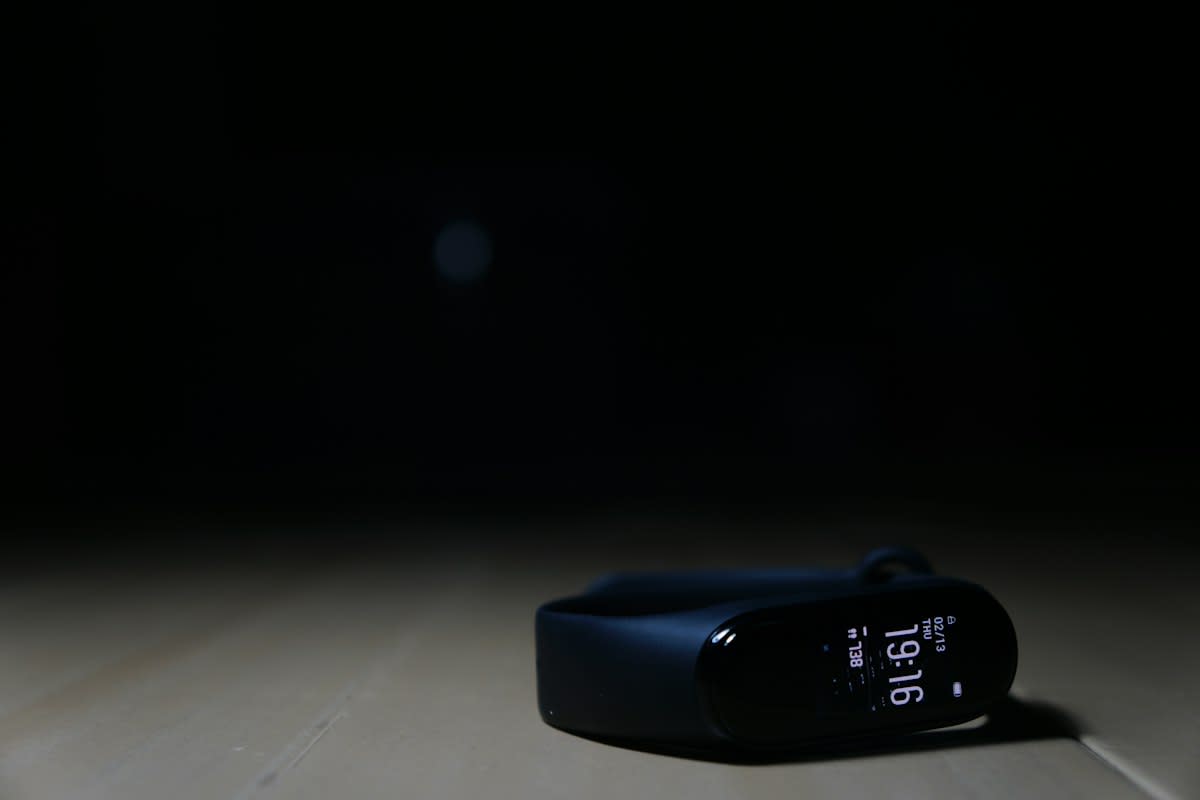
Wristbands often lie. 2017 saw the identification of orthosomnia, a condition where patients' sleep worsens due to an obsession with tracker numbers (Source: Baron et al., 2017). Many users in Nairobi treat their wrist-worn biometrics as absolute truth rather than estimates. This tactical error converts a tool for health into a source of chronic stress. The resulting anxiety creates a feedback loop that prevents the very rest the user seeks.
Prerequisites for Biological Sanity
Before syncing a device, establish a subjective baseline. Note how you feel upon waking without looking at a screen. This requires a notebook and a commitment to ignore the app for seven days. You must separate physical sensation from digital scoring to avoid the orthosomnia trap. This baseline serves as the control group for your own biological experiment, ensuring you trust your body before trusting the algorithm.
- Consumer-grade wearable (e.g., Oura, Wellbeinn, Eight Sleep)
- Analog sleep journal for subjective feeling
- Seven-day data blackout period
- Knowledge of Heart Rate Variability (HRV) and Resting Heart Rate (RHR)
Tactical Tracking Protocol
- Sync data weekly rather than daily to avoid immediate anxiety spikes.
- Compare recovery trends over several weeks instead of obsessing over a single night (Source: MIDI, 2026).
- Cross-reference digital scores with daytime alertness and concentration levels.
- Identify behavioral triggers like alcohol consumption or late-night exercise (Source: MIDI, 2026).
- Pause all tracking immediately if looking at data causes sleep-onset anxiety (Source: Wellbeinn, 2026).
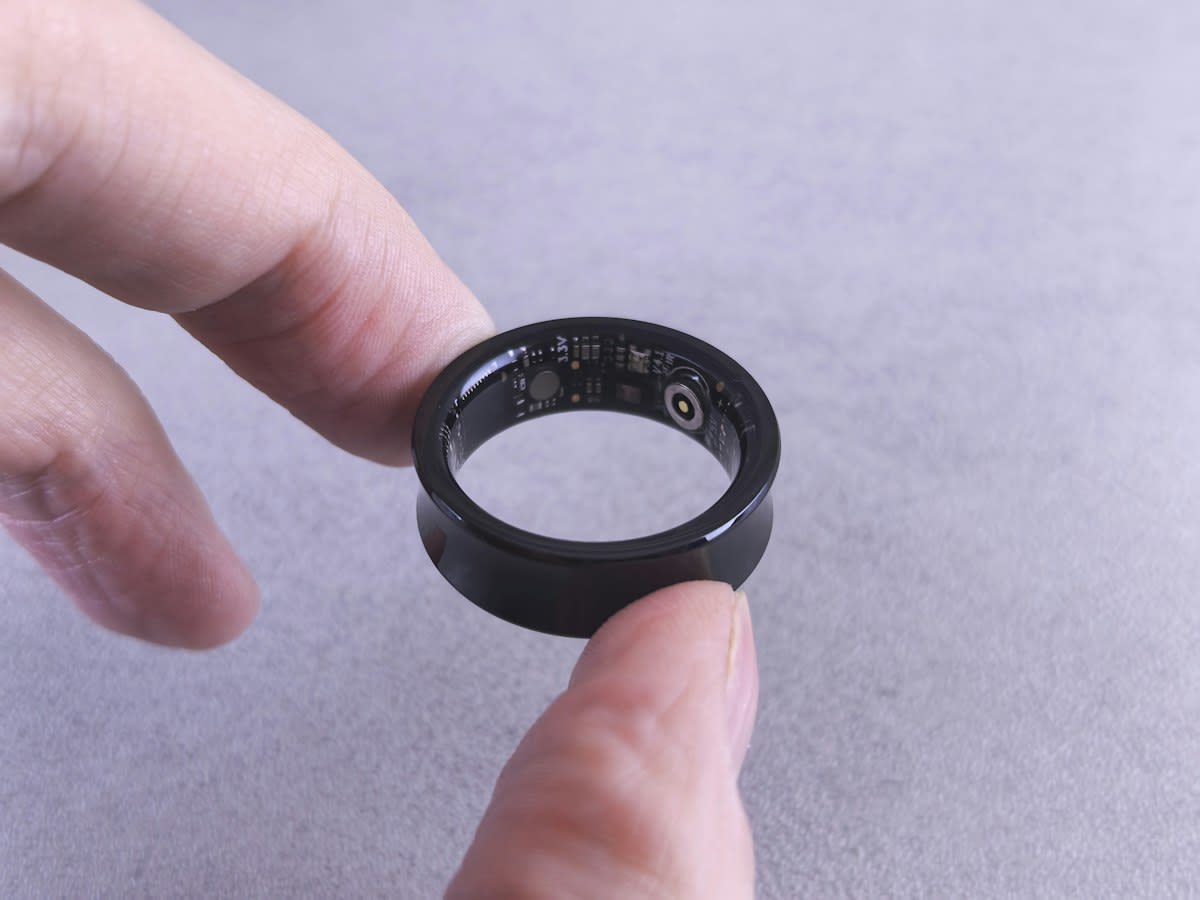
Focusing on trends prevents the perfect score obsession. Single-night anomalies are noise, not signals. By observing patterns over several weeks, users can identify specific habits that degrade recovery (Source: MIDI, 2026). For instance, hydration and walking distance often correlate with restlessness (Source: Wirecutter, 2026). When you see a dip in sleep quality, look for the behavioral cause rather than the number itself.
"Orthosomnia, are some patients taking the quantified self too far?"— Baron et al., Journal of Clinical Sleep Medicine (2017)
Identifying Quality Failures
True sleep quality is measured by specific benchmarks, not a proprietary score. A 2017 National Sleep Foundation panel defines quality indicators as taking less than 30 minutes to fall asleep and waking no more than once for longer than five minutes (Source: Wellbeinn, 2026). If you spend more than 20 minutes awake in total or sleep less than 85% of your bed time, your quality is compromised (Source: Wellbeinn, 2026). These metrics are more reliable than a score generated by a closed algorithm.
| Metric | NSF Standard (2017) | Tracker Approach |
|---|---|---|
| Sleep Onset | < 30 Minutes | Estimated by movement |
| Wake Events | < 1 event > 5 min | proprietary score |
| Total Wake Time | < 20 Minutes | Estimated via HRV/RHR |
| Sleep Efficiency | > 85% of bed time | Aggregated percentage |
Practitioners in the field often see users ignore these biological markers in favor of a green checkmark on an app. The friction occurs when a user feels refreshed but the app gives a low score, leading to pseudo-insomnia. This psychological shift makes the user feel tired simply because the machine told them so. It is a battle between biological intuition and digital authority that often ends in unnecessary stress.
The Failure Point
Failure occurs when the tracker becomes the goal. When a user optimizes for a number rather than for feeling, the system backfires. This is evident in the legal challenges facing the industry, such as the August class action complaint in California alleging misleading accuracy claims (Source: Wirecutter, 2026). Blind trust in these tools ignores the margin of error inherent in consumer-grade sensors. A rust-colored warning on a dashboard should not outweigh the feeling of being rested.
Recovery is not linear and cannot be forced into a rigid box. Hormonal shifts, pregnancy, and underlying health conditions can disrupt sleep regardless of the environment (Source: Dr. Ali Abadi, 2026). Attempting to force a perfect score during these periods creates unnecessary psychological burden. The tool should supplement the feeling, not replace it. If the data contradicts your physical reality, prioritize the body.
Common Pitfalls
- Daily score checking: Leads to immediate anxiety and orthosomnia.
- Trusting proprietary algorithms over NSF standards: Ignores established clinical markers.
- Ignoring daytime fatigue: Prioritizing a score over actual cognitive function.
- Self-diagnosing: Using consumer data to identify medical disorders without professional help.
Editorial Note
The quantified self movement offers a promise of optimization, but without a tactical filter, it risks creating a new category of anxiety. The goal is health, not a perfect data set.
Fact-Check Note
Fact-Check: Orthosomnia was first highlighted in 2017 (Source: Baron et al., 2017). Sleep quality indicators listed are based on a 2017 National Sleep Foundation panel (Source: Wellbeinn, 2026). Accuracy complaints against Oura were filed in California in August (Source: Wirecutter, 2026).