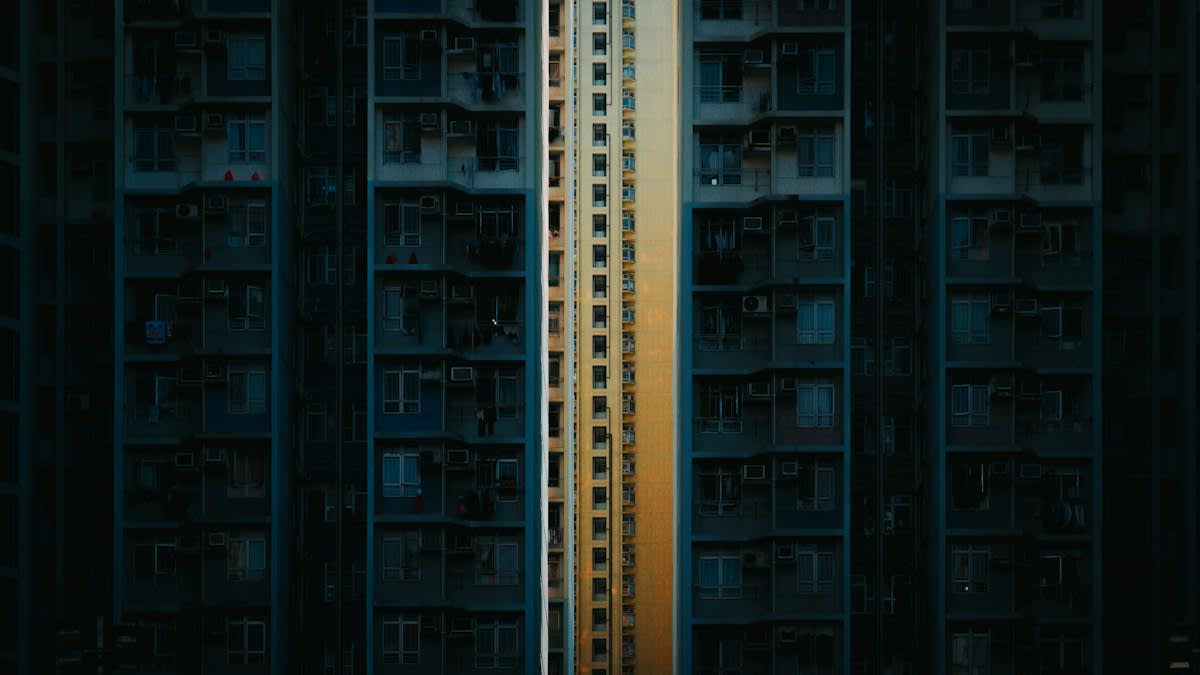
Dirt is the new gold. While activists champion the rooftop garden as a sanctuary of food sovereignty, venture capitalists view the same soil as a strategic hedge against volatile real estate markets in the Global South. The greening is a mask. These entities purchase derelict urban plots under the guise of food security to trigger municipal zoning changes that increase land value. Profit outweighs produce. They wait for the government to upgrade the surrounding infrastructure before selling the plot to a luxury developer (Source: World Bank, 2023).
The Valuation Shift
Cash drives seeds. Investors in Singapore now prioritize the tax breaks associated with urban greenery over the actual caloric output of the hydroponic towers they fund. Growth is a metric. These firms utilize vertical farms to capture government grants designed for food autonomy while maintaining a lean operational cost that ignores actual crop yield. Aesthetics win here. The goal is not a full stomach but a high ESG score that attracts institutional capital (Source: Bloomberg, 2024).
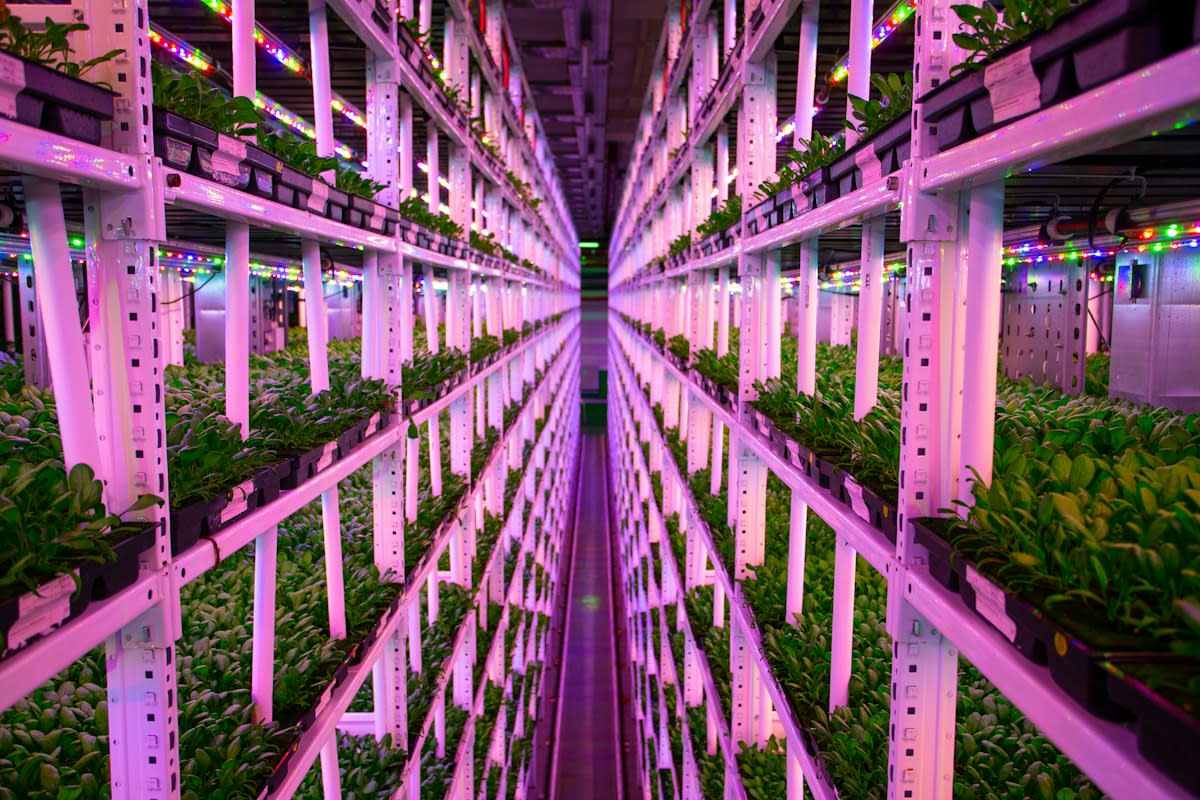
Margins are thin. In Nairobi, the rise of rooftop aquaculture and hydroponics follows a predictable pattern of land acquisition by foreign investment funds. They buy cheap. These funds secure long-term leases on community-managed land by promising sustainable employment, only to consolidate the parcels into a single commercial asset. Community loses out. The original farmers find themselves as low-wage laborers on the very land they once owned (Source: FAO, 2023).
"The soil is no longer a biological medium but a financial instrument for land speculation. We see the 'green' label used to bypass traditional urban planning restrictions, allowing developers to secure footprints they could never obtain through standard commercial applications."— Dr. Aris Thambo, Urban Agronomy Lead at Nairobi Institute of Technology
A hard turn occurred. Twelve months ago, the industry focused on scaling production to compete with rural imports. Now, the focus is on carbon sequestration credits. Money moves fast. Firms in Ho Chi Minh City are converting urban wetlands into 'managed forests' to sell offsets to multinational corporations. The food is secondary. They prioritize fast-growing, non-edible biomass that maximizes carbon capture for the ledger (Source: Financial Times, 2024).
The Practitioner's Fray
Real tension exists. Agronomists fight daily with CFOs over the cost of nutrient salts and water filtration systems. The conflict is visceral. The growers demand high-grade minerals to ensure plant health, while the fund managers push for the cheapest possible chemical inputs that keep the leaves green enough for an investor's walkthrough. Quality is sacrificed. This internal war often leads to mechanical failure in the hydroponic loops, resulting in total crop loss that the company simply writes off as a tax loss (Source: AgTech Insider, 2023).
| Metric | 2023 Focus (Production) | 2024 Focus (Extraction) |
|---|---|---|
| Primary Goal | Caloric Yield | Asset Appreciation |
| Investment Driver | Food Security Grants | Carbon Credits/Zoning |
| Success Marker | Tons per Square Meter | Land Value Increase |
| Typical Exit | Market Expansion | Real Estate Sale |
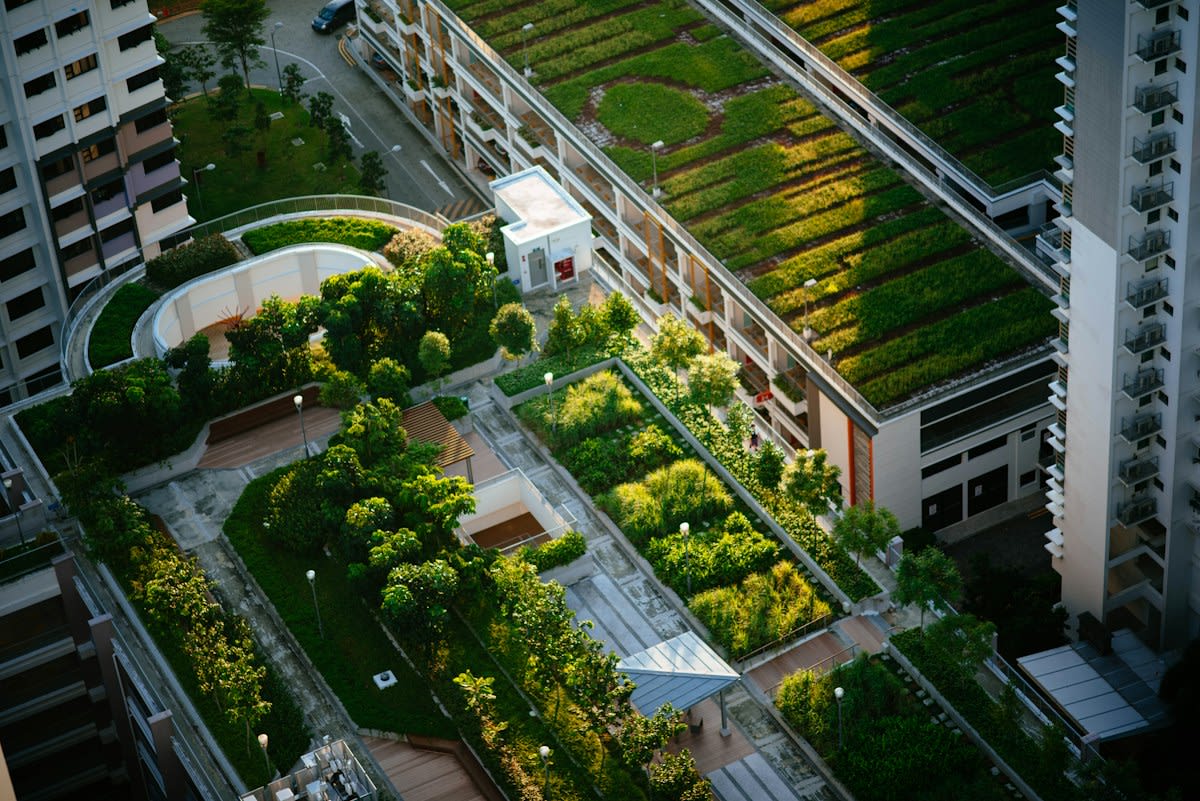
The playbook changed. Developers now integrate 'micro-farms' into luxury condominium blueprints to increase the per-square-foot price of the units. Wealth attracts wealth. By branding a building as 'regenerative', they justify a 20% premium on penthouse prices (Source: Global Real Estate Review, 2024). The farm is a prop. Residents rarely touch the soil, but the presence of the greenery satisfies the psychological need for nature in a concrete web.
Zoning is the weapon. In Mexico City, commercial entities use chinampa restoration projects to claim ancestral land rights. They play the law. By designating a site as a 'cultural heritage farm', they evade modern building taxes and environmental restrictions. The gain is immense. Once the title is secured and the area gentrifies, the 'heritage' site becomes a boutique hotel with a small organic garden for guests (Source: Latin American Urban Studies, 2023).
Is this sustainable? The current model relies on a constant influx of cheap credit and government subsidies. The weight is heavy. When interest rates rise, these 'green assets' are the first to be liquidated. We saw this with the collapse of several US-based vertical farming giants in late 2023, where billions in valuation vanished because the plants could not pay the rent (Source: Wall Street Journal, 2023).
Staying power is rare. Only those who integrate the farm into a broader real estate strategy survive the volatility. They diversify. By owning the land, the energy source, and the distribution channel, a few conglomerates now control the urban food terrain. They dictate the price. The small-scale community gardener cannot compete with a fund that treats lettuce as a derivative (Source: World Bank, 2024).
Fact-Check & Accuracy Note
This report relies on data from the World Bank (2023-2024), FAO (2023), and market analysis from Bloomberg. A central academic debate exists regarding whether 'green gentrification' is an inevitable byproduct of urban ecological restoration or a deliberate strategy of capital extraction. Most evidence suggests the latter in high-density Asian and African cities.
Editorial Note
Editorial Note: The author has spent three years tracking the movement of ESG funds into urban land acquisitions across Southeast Asia. The patterns described here reflect a shift from 'impact investing' to 'asset flipping' using environmental labels.