Scottish couple say 17 trees aren't a hedge; ordered to trim after complaints
Source Entity
TOI WORLD DESK
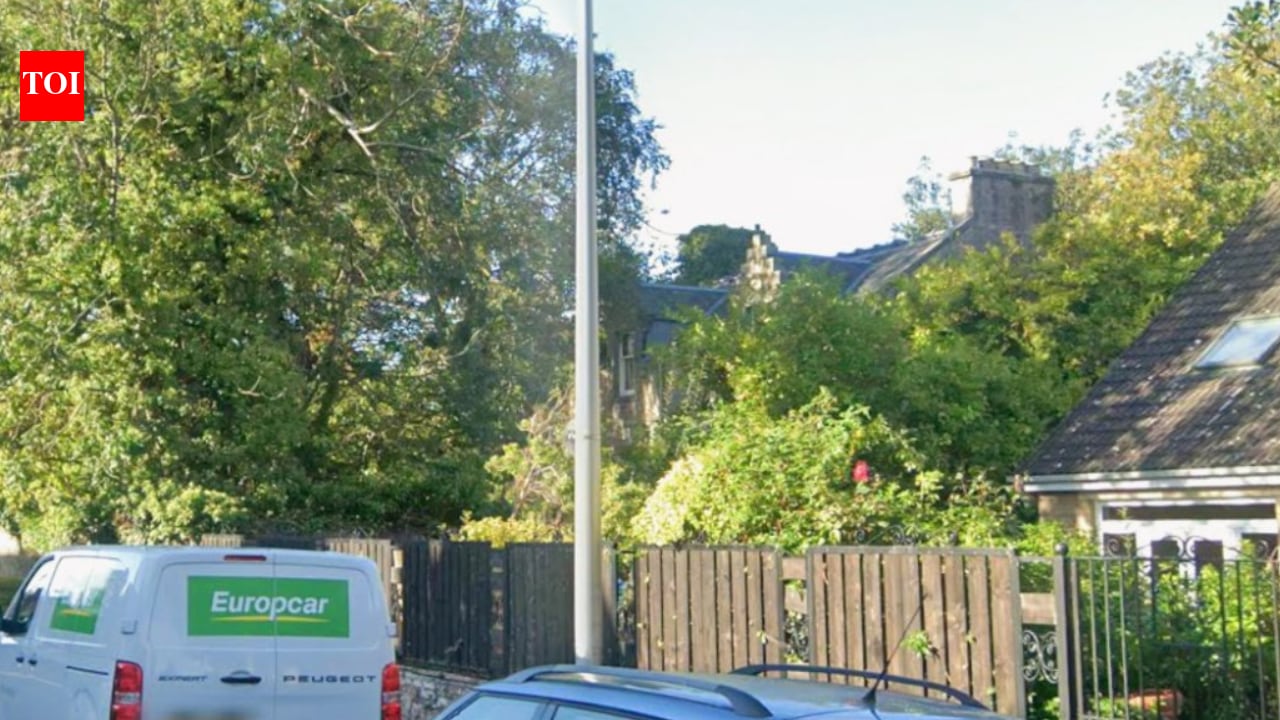
A Scottish couple in East Lothian has been ordered to trim 17 trees after authorities classified them as a 'high hedge.' The couple's appeal, claiming individual trees do not constitute a hedge, was rejected by the government.
The East Lothian Hedge Dispute: Legal Definitions and Property Rights
The Core Conflict
A property dispute in East Lothian, Scotland, has reached a definitive conclusion after a couple, Professor Angus Macdonald and Dr. Patricia Macdonald, were ordered to reduce the height of 17 trees and shrubs on their property. The local council intervened following complaints from neighbors, who argued that the height of the vegetation obstructed natural light and created excessive litter, negatively impacting their residential amenity.
Defining the 'High Hedge'
The central point of contention in this case was the legal interpretation of what constitutes a 'high hedge.' The Macdonalds argued that their garden boundary consisted of individual, distinct trees and shrubs rather than a singular, unified hedge. Under the High Hedges (Scotland) Act 2013, local authorities have the power to intervene if a hedge acts as a barrier to light and affects the reasonable enjoyment of a neighboring property. The tribunal's decision to classify these 17 trees as a 'high hedge' underscores the broad scope of this legislation, which prioritizes the impact on neighbors over the botanical classification of the plants.
The Appeal Process
Following the council's initial mandate, the couple sought to overturn the decision through an appeal process. Their defense rested on the technicality that the lack of a cohesive structure meant the trees should not be subject to the same regulatory oversight as a traditional, clipped hedge. However, a Scottish Government reporter, after conducting a formal inspection of the site, upheld the original ruling. This finding confirms that the functional impact of the vegetation—specifically regarding light obstruction—outweighs the aesthetic or technical arguments regarding plant arrangement.
Implications for Property Owners
This case serves as a significant reminder for homeowners regarding the responsibilities associated with boundary landscaping. In Scotland, the law is designed to balance individual gardening preferences with the collective rights of the community to access natural light and maintain clean environments. When trees or shrubs are planted in a row, they risk being categorized as a hedge, regardless of whether they are individually maintained or pruned as a single unit.
Future Trends in Land Disputes
As urban and suburban density increases, disputes over light, view, and tree maintenance are likely to become more frequent. Local councils are increasingly relying on the High Hedges Act to mediate conflicts before they escalate into long-term neighborhood feuds. The outcome of this case provides a clear precedent: when landscaping begins to encroach upon the living standards of neighbors, authorities will prioritize regulatory compliance over the property owner's desire for privacy or decorative planting.
Conclusion
Ultimately, the Scottish Government's decision reinforces the power of local councils to enforce amenity standards. The Macdonalds are now legally required to trim their trees to meet the height standards set by the council. This dispute highlights the necessity for homeowners to be aware of how their planting choices can be legally classified and the potential for regulatory intervention when those choices affect the surrounding community.