Karthigai Deepam row: The century-old dispute over a hill in Tamil Nadu, explained
Source Entity
The Indian Express
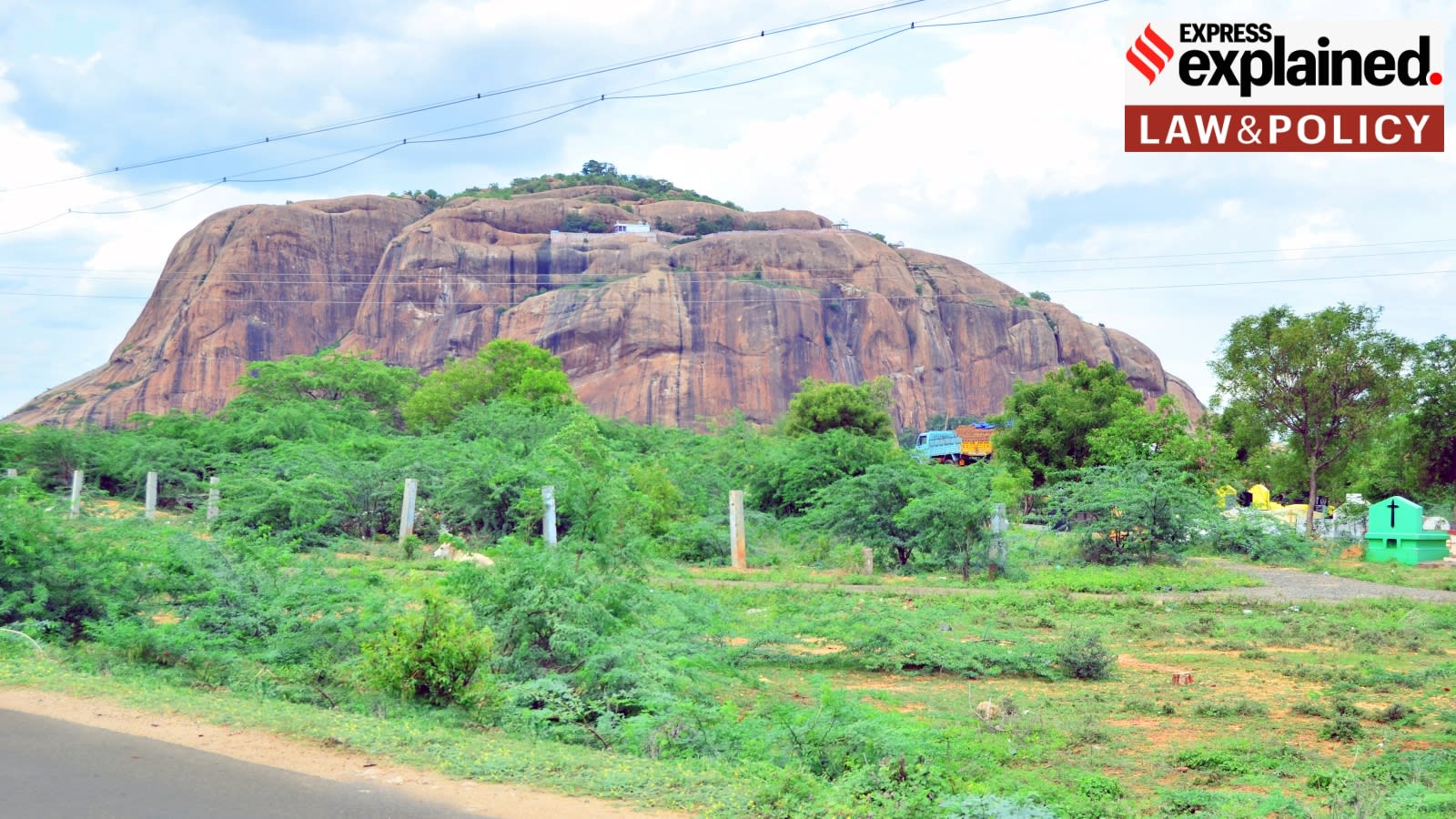
The Supreme Court has permitted a one-time lighting of a lamp on the Thirupparankundram hill for Karthigai Deepam. This interim order stays the Madras High Court's previous ruling while addressing a century-old property dispute between a temple and a local dargah.
Supreme Court Intervenes in Century-Old Thirupparankundram Dispute
The Supreme Court of India has issued an interim order regarding the long-standing religious and property dispute at Thirupparankundram Hill in Madurai. By allowing the lighting of a ceremonial lamp on the ‘Deepathoon’ as a strictly limited one-time arrangement for the Karthigai Deepam festival on November 24, 2026, the court has sought to balance immediate religious sentiment with ongoing legal complexities.
Legal Background and the Stay Order
This judicial intervention follows an appeal filed by the State against a January 6 judgment by the Madras High Court. The High Court had previously recognized the lighting of the lamp at the ‘Deepathoon’ as an essential religious practice. However, the Supreme Court Bench, led by Justice Aravind Kumar, has stayed these conclusive findings. By doing so, the apex court has effectively paused the legal precedent set by the lower court, signaling that the question of whether this act constitutes an 'essential practice' remains a matter of deep judicial scrutiny.
The Nature of the Conflict
The dispute centers on a contested site located on Thirupparankundram hill, a location that holds significance for both the Subramanian Swamy temple and the adjoining Sulthan Sikkandar Avulia Dargah. For decades, the traditional practice involved lighting the deepam at the Deepa Mandapam, situated near the Uchipillaiyar temple on the lower slopes. The shift in the location of the ceremony to the ‘Deepathoon’ has become the focal point of a century-old property disagreement that reflects broader regional tensions between competing claims of worship.
Regulatory Oversight for the Ceremony
To maintain order during the upcoming November 24 festival, the Supreme Court has imposed strict conditions. Only individuals authorized by the Subramanian Swamy temple and relevant government officials are permitted to perform the ceremony at the disputed stone pillar. This measured approach aims to prevent further escalation of the long-standing conflict while ensuring the festival proceeds without public disorder.
Broader Implications and Future Trends
The Supreme Court’s decision to treat this as a 'one-time measure' highlights the difficulty of adjudicating matters where historical land disputes intersect with religious traditions. As the court continues to examine the appeals, the case will likely serve as a significant touchstone for how Indian courts interpret 'essential religious practices' in the context of shared or contested heritage sites. Future rulings will be critical in determining whether such practices can be institutionalized or if they must remain subject to temporary, state-regulated permissions to preserve communal harmony.
Multiple Citing Sources