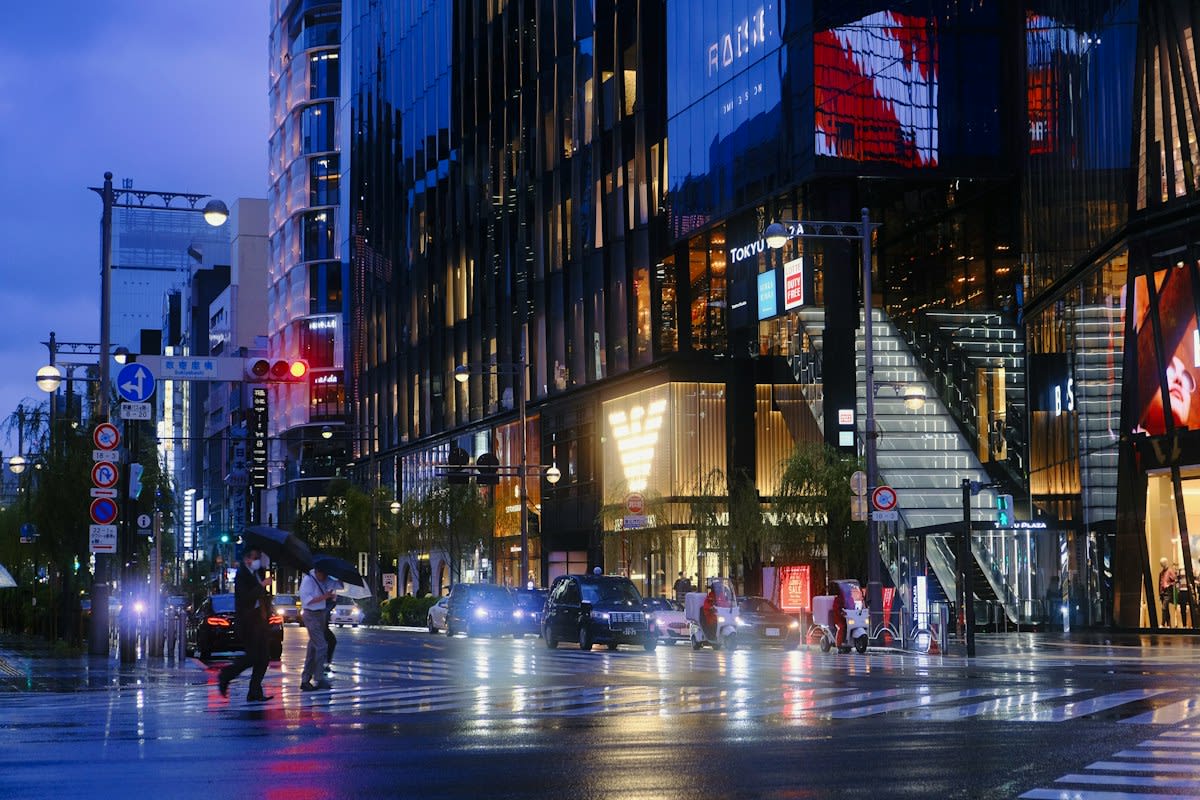
Crowds are the new silence. While millions pack into the concrete grids of Tokyo or São Paulo, the psychological distance between neighbors has expanded into a cavernous void where physical proximity no longer triggers social bonding. Proximity is not connection. Why do we assume that living on top of one another prevents loneliness? Urban developers build high-rises that maximize square footage while ignoring the mental terrain of the people inside. Density is a mask.
The Density Delusion
Solitude is a choice. In the dense corridors of Seoul, the rise of the honjok—those who prefer to be alone—represents a deliberate rejection of the suffocating expectations of Confucian social hierarchies. This is not sadness. Is it possible that the city provides the only real cover for true independence? The urban web allows individuals to disappear in plain sight, transforming the city into a giant machine for anonymity. Privacy is the new luxury.
Numbers tell the story. Statistics Korea reports that single-person households now account for 34.5% of all homes in the country (Source: Statistics Korea, 2022). This is an explosion. While previous generations viewed the single life as a temporary state of failure, the current urban default treats it as a baseline for autonomy. The city provides the infrastructure for this detachment. From solo-dining booths to automated convenience stores, the environment now rewards the avoidance of other humans.
| Region | Single-Person Household % | Primary Driver | Solitude Metric |
|---|---|---|---|
| East Asia (Seoul/Tokyo) | 34.5% | Social Hierarchy Fatigue | High |
| South America (São Paulo) | 18.2% | Economic Urban Migration | Medium |
| Sub-Saharan Africa (Lagos) | 12.1% | Youth Professional Flux | Low |
The weight is heavy. In Tokyo, the phenomenon of hikikomori has evolved from a fringe psychiatric concern into a widespread social reality affecting an estimated 1.1 million people (Source: Cabinet Office of Japan, 2023). This is not laziness. These individuals are not retreating from the world so much as they are retreating from the performance of a social identity that no longer fits the modern urban fray. The city demands a mask. When the mask becomes too heavy, the room becomes the only safe harbor.
"The urban environment in Japan does not create solitude so much as it provides the mechanical tools to sustain it without social penalty."— Dr. Miho Hirano, Sociologist at the University of Tokyo
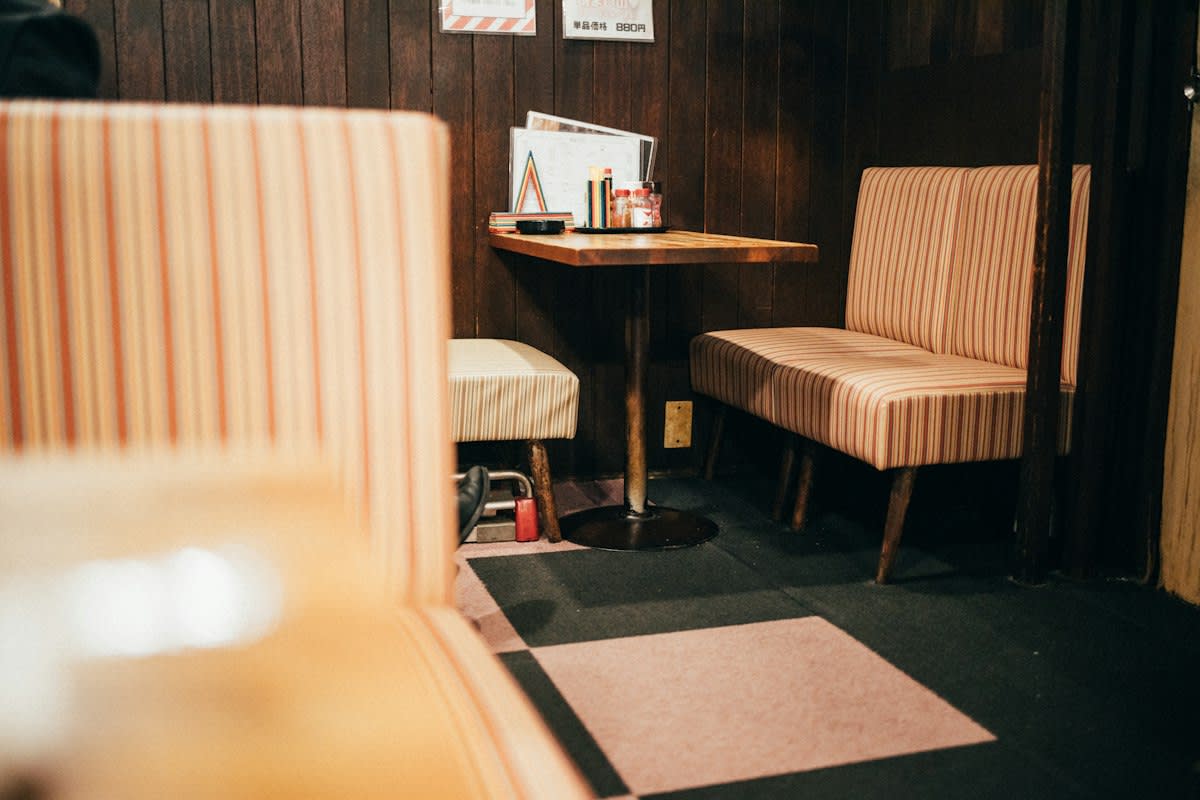
Cities are changing. In Mexico City, the sprawl creates a specific kind of isolation where the commute consumes the social capacity of the worker. Transit is a void. When a citizen spends four hours a day in a metal tube, the home ceases to be a place for hosting and becomes a site for recovery. Who has the energy for a neighbor? The city consumes the spirit before the front door even opens. Exhaustion is the primary driver of urban solitude.
The friction is real. I watched a lead architect in Seoul argue with a sociologist over the placement of a shared lounge in a micro-apartment complex. The architect wanted a wide-open space to increase the perceived value of the unit, whereas the sociologist argued that forced socialization in high-stress environments creates more anxiety than comfort. They fought over whether a community hub was a benefit or a psychological burden. The architect won, and the lounge remained empty for three years.
Connectivity is a lie. Gallup reports that 27% of adults worldwide feel lonely, yet this feeling peaks in the most connected urban hubs (Source: Gallup, 2023). We are wired. The digital web creates a simulation of presence that satisfies the biological urge for contact without providing the emotional weight of actual intimacy. We trade depth for breadth. This exchange leaves the urbanite feeling hollow despite a thousand digital followers.
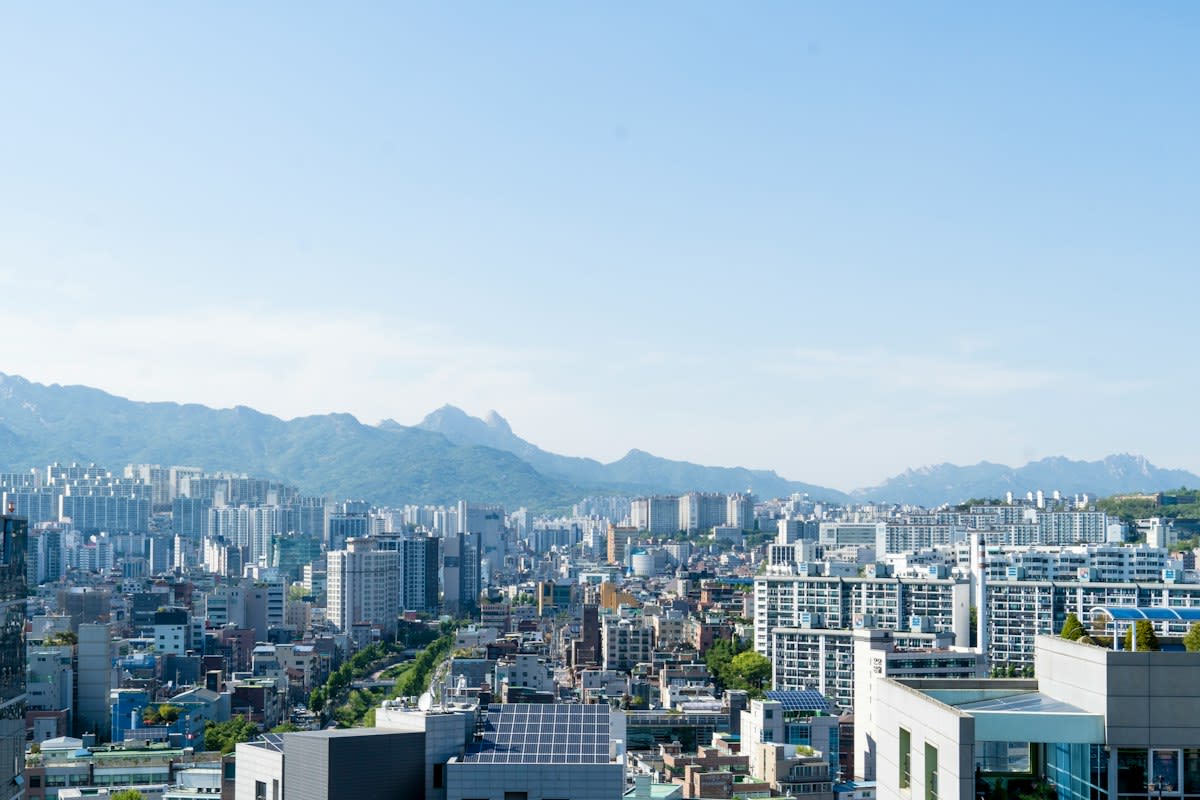
Opportunity is here. Solitude is not a crisis but a hard turn in how humans manage their energy. By decoupling identity from social group membership, the urbanite finds a new kind of freedom. This is the logic of the lone crowd. The ability to be alone among millions allows for a level of introspection that small-town life forbids. Anonymity is a tool for growth.
Markets are adapting. The solo-economy is no longer a niche but a dominant force in urban commerce. From single-serving meal kits to one-person cinema seats, the economy now caters to the individual. This is the new default. Companies no longer target the nuclear family but the autonomous unit. The city has finally realized that the individual is the most profitable consumer.
The cycle continues. As we build more frictionless environments, we remove the accidental encounters that once defined city life. Mechanical failure is the only way we meet. When the elevator breaks, neighbors finally speak. Until then, the silence of the crowd remains the most efficient way to survive the metropolis. We are alone, together.
Fact-Check & Accuracy Note
The data used in this analysis draws from the 2023 Cabinet Office of Japan report on social withdrawal and 2022 Statistics Korea census data. There is an ongoing academic debate between the 'social isolation' school, which views these trends as a public health failure, and the 'intentional solitude' school, which views them as a necessary adaptation to hyper-competitive urban environments.
Editorial Note
This piece avoids the standard alarmist narrative surrounding the 'loneliness epidemic.' Instead, it examines the structural reasons why solitude has become a logical choice for the urban professional. The focus is on adaptation rather than pathology.
The New Urban Default
Accept the void. The city will not provide a community; it only provides the space to find one. We must stop blaming the architecture for our isolation. The solitude is the point. By mastering the art of being alone, the urbanite prepares for a world where the only constant is change. The lone crowd is the future.