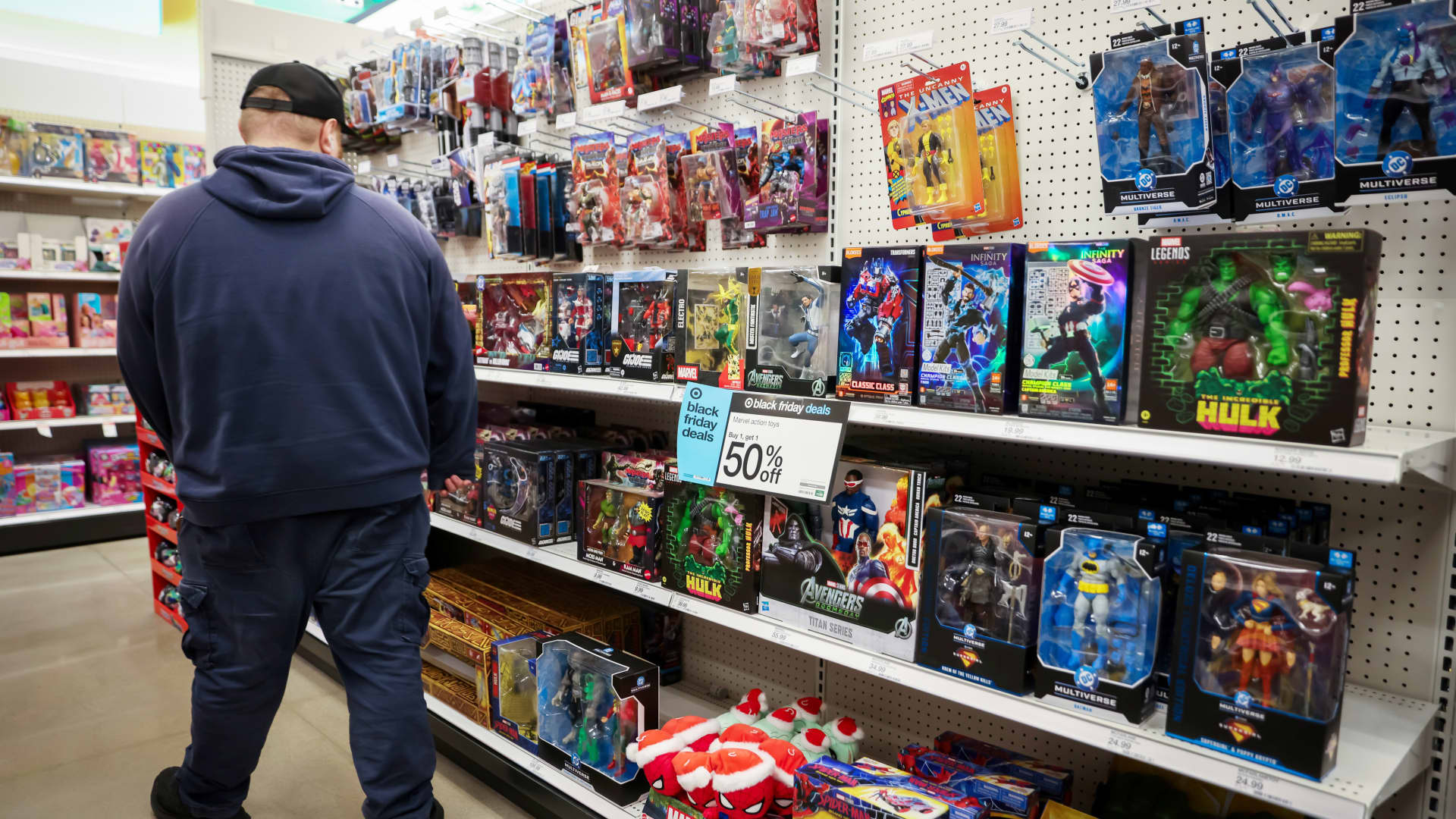
Even the price of toys is on the rise. How Americans are scaling back holiday plans
Source Entity
US Top News and Analysis
American families are significantly scaling back holiday plans in 2026 due to the compounding pressures of inflation and energy shocks caused by the Iran war. Rising costs for food, travel, and consumer goods are forcing households to prioritize essentials over traditional celebrations.
The Economic Squeeze on the 2026 Holiday Season
As the 2026 holiday season approaches, American households are grappling with a harsh economic reality defined by the convergence of persistent inflation and energy market volatility. Reports from across the country indicate that families are no longer just adjusting their budgets; they are fundamentally restructuring their holiday traditions. The confluence of rising costs for food, travel, and even basic consumer goods like toys has created a restrictive financial environment that is forcing difficult trade-offs for millions of Americans.
The Impact of Geopolitical Energy Shocks
A primary driver of this current financial strain is the ongoing conflict involving Iran, which has sent shockwaves through global energy markets. These energy shocks have led to a sharp increase in fuel prices, directly impacting the cost of transportation and logistics. For families like the Brechts in Michigan, the decision to forego travel to see extended family is a direct response to the high cost of gasoline. This trend highlights how geopolitical instability in oil-producing regions can quickly permeate the domestic budgets of average citizens, effectively curbing mobility during what is traditionally the busiest travel period of the year.
Inflation and the Grocery Bill
Beyond travel, the cost of the traditional Thanksgiving feast has seen a notable surge. With food inflation continuing to affect grocery store pricing, many shoppers are forced to make concessions. The shift from purchasing whole turkeys to smaller cuts like turkey breasts, and the elimination of appetizers, reflects a strategic retreat from luxury and excess. This behavior suggests that consumers are increasingly cost-conscious, prioritizing basic nourishment over the elaborate spreads that have historically defined American holiday gatherings.
Consumer Goods and the 'Toy Tax'
The ripple effects of these economic pressures extend into the retail sector, where even the cost of toys is on the rise. As inflation increases the costs of manufacturing, shipping, and distribution, retailers are passing these expenses onto consumers. Families are now faced with the prospect of scaling back gift-giving, a move that is likely to impact holiday retail sales figures. This contraction in discretionary spending is a strong indicator of a shift in consumer sentiment, as households prioritize liquid savings over non-essential material goods.
Long-term Implications for Household Stability
The 2026 holiday season serves as a microcosm for the broader economic challenges facing the U.S. economy. When families are forced to choose between travel, food, and gifts, it signals a tightening of the middle-class purse strings that could have lasting impacts on the retail and hospitality industries. If these inflationary trends persist, we may see a permanent shift in how Americans approach seasonal celebrations, moving toward a more minimalist and localized model of observance.
Conclusion
In summary, the 2026 holiday season is marked by austerity and pragmatism. From the grocery aisles of Los Angeles to the living rooms of Michigan, the message is clear: the current economic climate is dictating a new, more constrained approach to tradition. As families navigate these inflationary pressures, the focus remains on essential needs, highlighting the vulnerability of consumer habits to external geopolitical and macro-economic forces.