The 10-year Treasury is closing in on 5%. How it gets there matters more
Source Entity
US Top News and Analysis
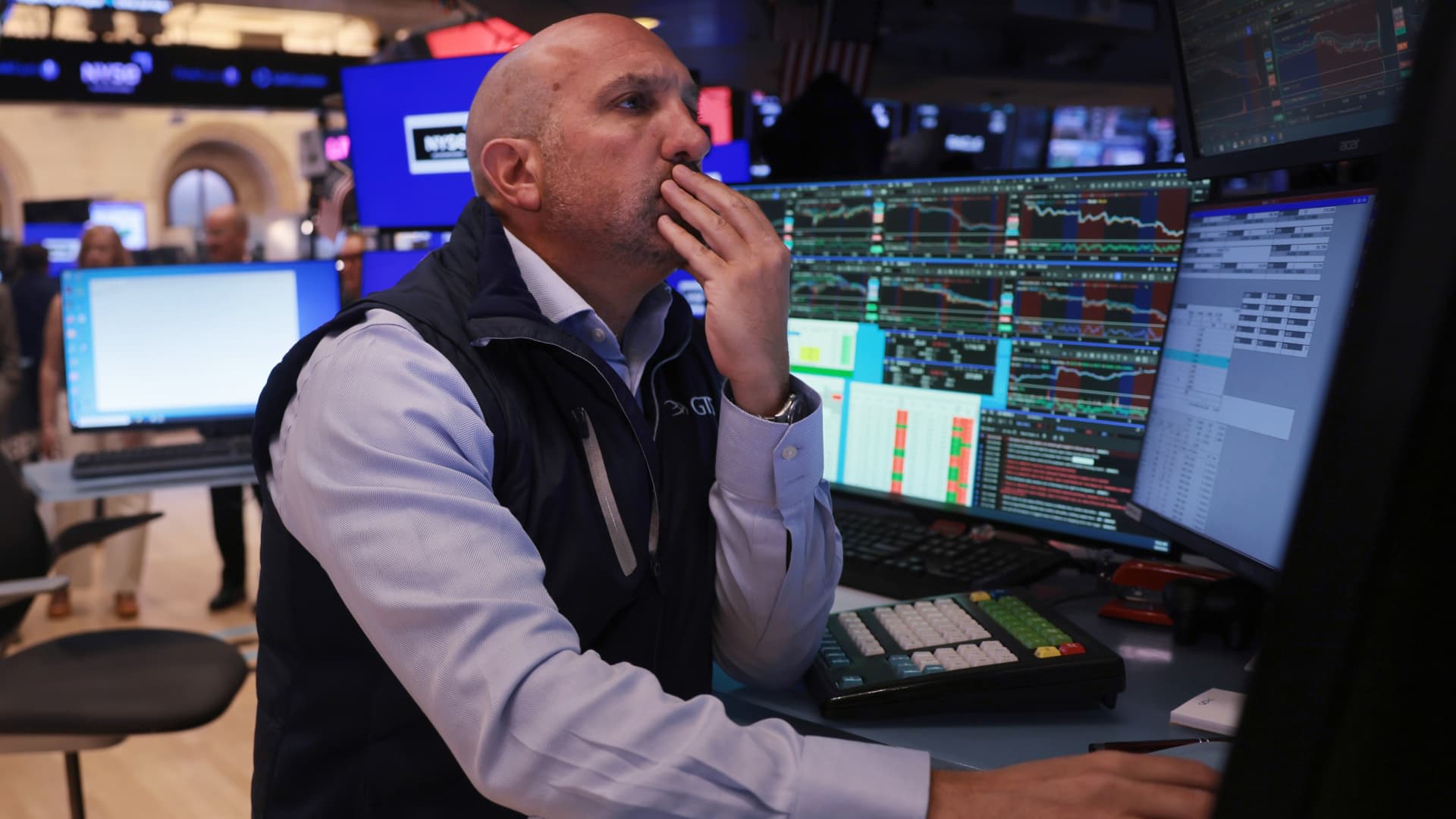
The 10-year Treasury yield is nearing the critical 5% threshold, driven by inflation fears and supply-demand imbalances. Investors are closely monitoring whether this rise stems from economic growth or market stress, as it heavily influences stock market volatility.
The Return of the 5% Threshold: Understanding Treasury Yield Dynamics
The financial markets are currently bracing for a significant psychological milestone as the 10-year Treasury yield hovers near 5%. This benchmark, which serves as the bedrock for global asset pricing, has not reached this level since October 2023. As yields climb toward this figure, market participants are forced to reconcile with the shifting expectations regarding Federal Reserve policy and the underlying health of the macroeconomic environment.
The Catalyst: Inflation and Energy Costs
Recent data indicates that the climb in yields is being exacerbated by a surge in energy prices, specifically Brent crude reaching $107 a barrel. This spike in oil costs has reignited inflation concerns, directly impacting the bond market. Because Treasurys are sensitive to inflationary pressures—which erode the fixed purchasing power of bond interest payments—the market is reacting by demanding higher yields to compensate for the perceived risk of a persistent inflationary environment.
Divergent Drivers of Yield Growth
Strategists emphasize that the reason for a 5% yield is far more critical than the number itself. If yields are rising due to robust economic expansion, the market may absorb the pressure as a sign of underlying strength. However, the current narrative suggests a more complex mix: a combination of supply-demand imbalances caused by heavy Treasury and corporate issuance, alongside mounting fiscal concerns. When the government issues significant debt to cover fiscal needs, it competes for limited investor capital, naturally pushing yields higher.
The Federal Reserve and Market Expectations
Adding to the volatility is the shifting outlook for Federal Reserve policy. Following a recent inflation print, market pricing for a potential rate hike has surged to nearly 90%. Financial institutions like Goldman Sachs have adjusted their forecasts, noting that the FOMC may feel compelled to raise rates to prevent a volatile market reaction. This creates a feedback loop: as the market prices in higher rates, yields rise, which in turn pressures stock valuations.
Implications for the Stock Market
For equity investors, the 10-year Treasury yield serves as the 'risk-free' rate against which all other investments are measured. When this rate approaches 5%, the discount rate used to value future corporate earnings increases, which disproportionately hurts growth-oriented stocks. This creates a challenging environment where even positive earnings news may be overshadowed by the sheer gravity of rising borrowing costs.
Future Trends and Conclusion
Looking ahead, the stability of the bond market will depend on whether the Federal Reserve can navigate a 'soft landing' or if inflation remains sticky. The current trend suggests that as long as fiscal issuance remains high and energy prices stay elevated, the 5% barrier will remain a point of extreme tension. Investors should expect continued volatility as the market adjusts to a 'higher for longer' interest rate regime that prioritizes inflation control over the immediate ease of debt servicing.