11 Indians injured after attack on ship near Oman, MEA condemns strike
Source Entity
The Indian Express
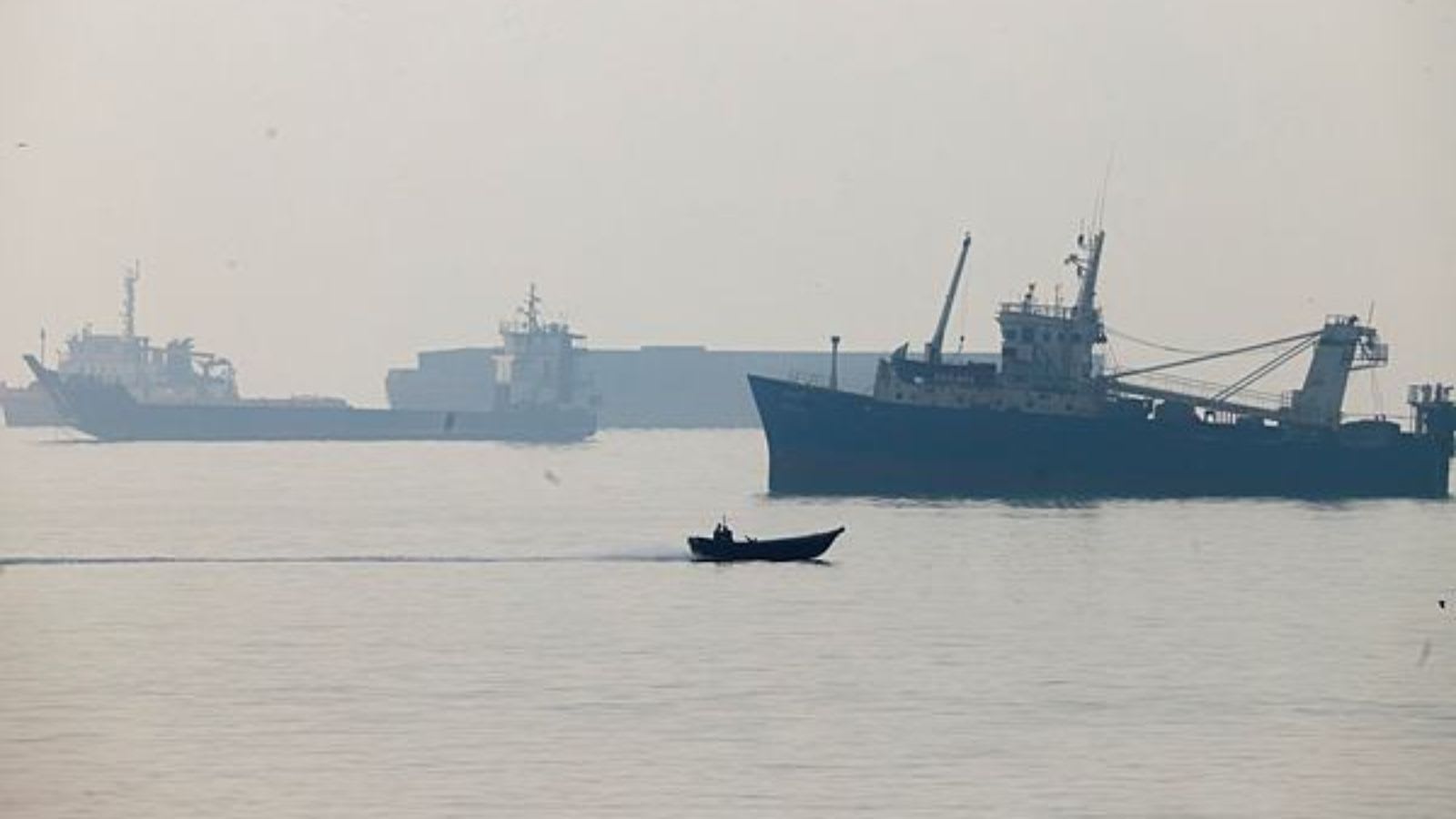
Eleven Indian sailors were injured after the Panama-flagged tanker MT On Peace was struck by a projectile in the Strait of Hormuz. India has strongly condemned the attack and is coordinating with Omani authorities for the medical treatment of the crew.
Attack on MT On Peace: A Deep Dive into the Strait of Hormuz Incident
On October 6, 2026, the maritime security landscape faced a significant escalation when the Panama-flagged commercial vessel MT On Peace was struck by a projectile while transiting the critical Strait of Hormuz. The incident resulted in injuries to 12 crew members, 11 of whom are Indian nationals. This event highlights the precarious nature of international shipping in one of the world's most vital energy corridors, where geopolitical tensions frequently manifest as threats to commercial logistics.
The Incident and Immediate Response
According to the Ministry of External Affairs (MEA) of India, the vessel was operating off the coast of Oman when the strike occurred. With a total crew of 19, including 17 Indian nationals, the impact caused immediate casualties. The swift response of the Omani authorities was instrumental in the crisis, as they facilitated the evacuation of the injured crew members to Khasab, Oman, where they are currently receiving medical care. India’s formal condemnation underscores the gravity with which New Delhi views threats to its citizens serving in the global maritime workforce.
Strategic Importance of the Strait of Hormuz
The Strait of Hormuz is a narrow waterway connecting the Persian Gulf to the Gulf of Oman and the Arabian Sea. It serves as the primary artery for global oil and gas shipments, making it a frequent flashpoint for regional instability. Attacks on commercial vessels in this region carry severe implications not only for the safety of seafarers but also for the stability of global energy prices and maritime insurance premiums. The targeting of a commercial vessel like the MT On Peace raises concerns regarding the enforcement of freedom of navigation in international waters.
Implications for Indian Maritime Interests
India possesses a significant footprint in the global shipping industry, with thousands of Indian nationals serving as crew on international commercial vessels. This attack places renewed pressure on the Indian government to ensure the safety of its citizens abroad. The MEA’s strong stance reflects a policy of zero tolerance for violence against Indian seafarers and signals a commitment to diplomatic intervention to prevent future occurrences. By highlighting the vulnerability of Indian crew members, this incident will likely lead to increased demands for enhanced maritime security protocols in the region.
Regional Geopolitics and Future Trends
While the source of the projectile remains a subject of investigation, incidents in the Strait of Hormuz are often linked to broader regional rivalries. The pattern of targeting commercial shipping is a known tactic used to project power or exert pressure in international disputes. Future trends suggest that unless international maritime security frameworks are strengthened, commercial vessels will continue to face risks. The international community is likely to see increased calls for multilateral cooperation to patrol these waters and deter non-state or state-sponsored actors from launching such strikes.
Conclusion
In summary, the attack on the MT On Peace is a concerning development that underscores the risks inherent in transiting high-tension maritime zones. The successful evacuation and ongoing treatment of the 11 injured Indian nationals remain the immediate priority for the Indian government. As the investigation proceeds, the incident will undoubtedly serve as a catalyst for deeper discussions regarding the protection of civilian sailors and the preservation of safe, unobstructed commercial transit through the Strait of Hormuz.
Multiple Citing Sources