1983, Srinagar: When India’s World Cup team walked into a hostile crowd
Source Entity
Shuvaditya Bose
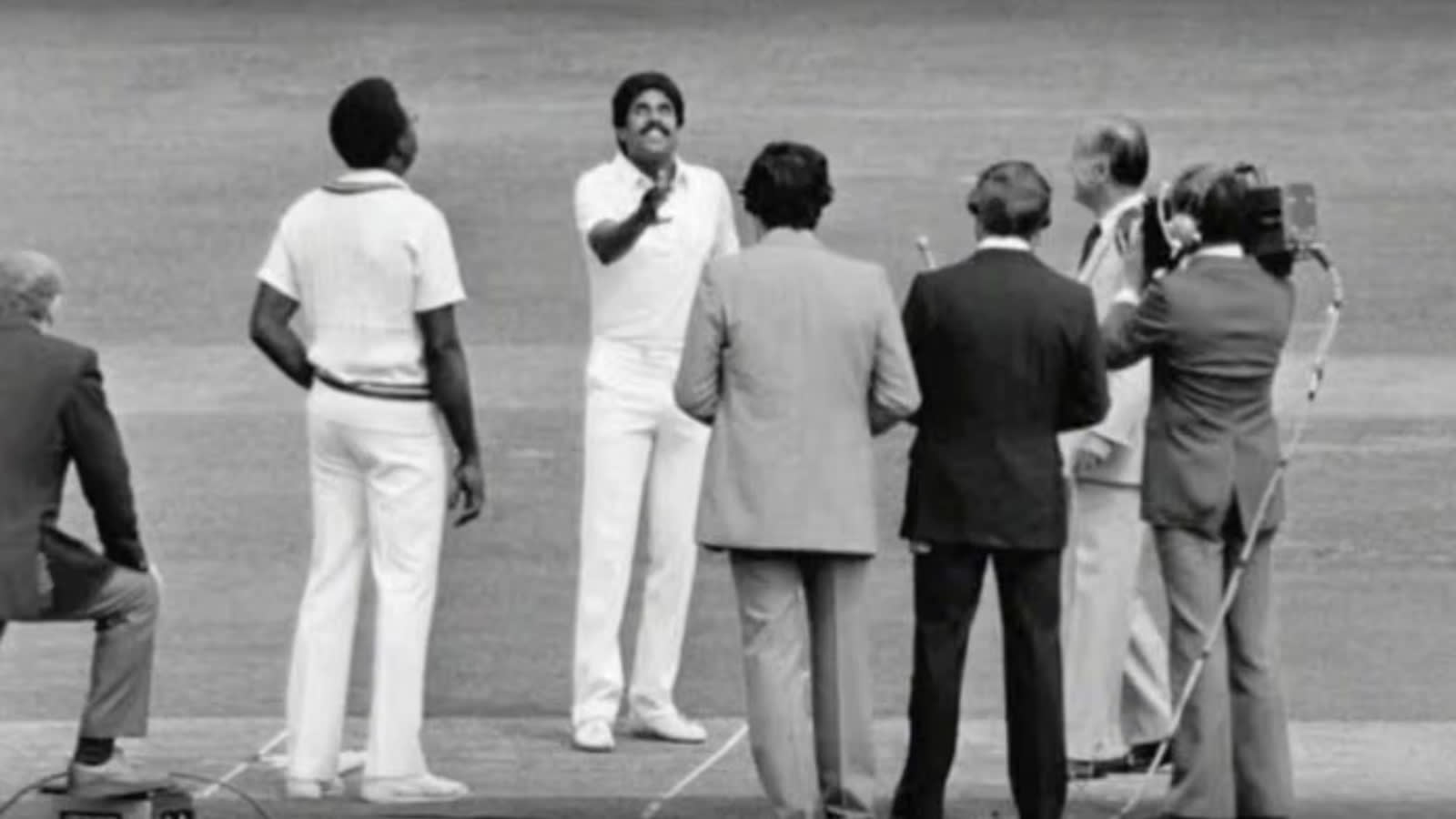
The 1983 Indian cricket team faced a hostile reception in Srinagar just months after their historic World Cup win. The incident, marked by anti-India slogans and physical projectiles, highlighted the complex political tensions surrounding cricket in the valley.
The Srinagar Paradox: A Cold Welcome for Champions
In October 1983, a mere 110 days after India’s monumental victory at the Prudential World Cup, the triumphant Indian cricket team led by Kapil Dev arrived in Srinagar. This was meant to be a celebratory tour, a victory lap for a squad that had just captured the imagination of a nation and redefined the sporting identity of India on the global stage. However, the reality of the reception in the Kashmir valley stood in stark, jarring contrast to the nationwide adulation the players had experienced since their return from Lord’s.
A Shift in Atmosphere
For Kirti Azad and his teammates, the transition from the euphoria of London to the hostility of Srinagar was disorienting. The players, who had become national heroes overnight, found themselves in an environment that rejected their presence. The air was filled with chants of “Pakistan Zindabad,” effectively turning a sporting event into a display of deep-seated geopolitical and regional friction. This moment serves as a historical marker for how cricket in India has often been inextricably linked to the volatile political landscape of the region.
The Anatomy of Hostility
The incident was not merely verbal; it escalated into physical confrontation. The players were met with placards expressing dissent and posters of Pakistani cricket legend Imran Khan, signaling a clear political preference over the Indian team. The situation deteriorated further as the crowd began hurling debris—bottles, stones, and even food items—at the players. This physical assault on the national team members was a visceral manifestation of the contempt held by a segment of the local populace at that time.
Historical and Social Implications
This specific event in 1983 provides a rare, candid look into the intersection of sports and national sentiment. While the 1983 World Cup is often remembered as the birth of India’s cricketing dominance, the Srinagar incident serves as a crucial reminder of the internal fractures that existed simultaneously. It underscored that despite the unifying power of sport, cricket could not entirely insulate the players from the complex, often turbulent political realities of the Indian subcontinent.
Reflecting on the Legacy
Looking back, the incident remains a sobering chapter in the history of the 'Kapil’s Devils.' It challenges the narrative of universal celebration that followed the 1983 victory and highlights the challenges faced by national figures when performing in regions experiencing civil unrest. The memory of Kirti Azad’s disbelief remains a poignant testament to the shock of realizing that for some, the prestige of a World Cup win held little significance in the face of prevailing political grievances.
Conclusion
Ultimately, the Srinagar incident of 1983 remains a significant case study for sports historians and political observers alike. It illustrates the vulnerability of athletes who become symbols of the state and the unpredictable nature of public reception in politically sensitive zones. The events of that October morning remind us that even in the height of sporting glory, the complexities of history and geography remain persistent, often casting long shadows over the field of play.