32 trucks with Rs 4 crore rice left a year ago, vanished in MP
Source Entity
AMARJEET SINGH
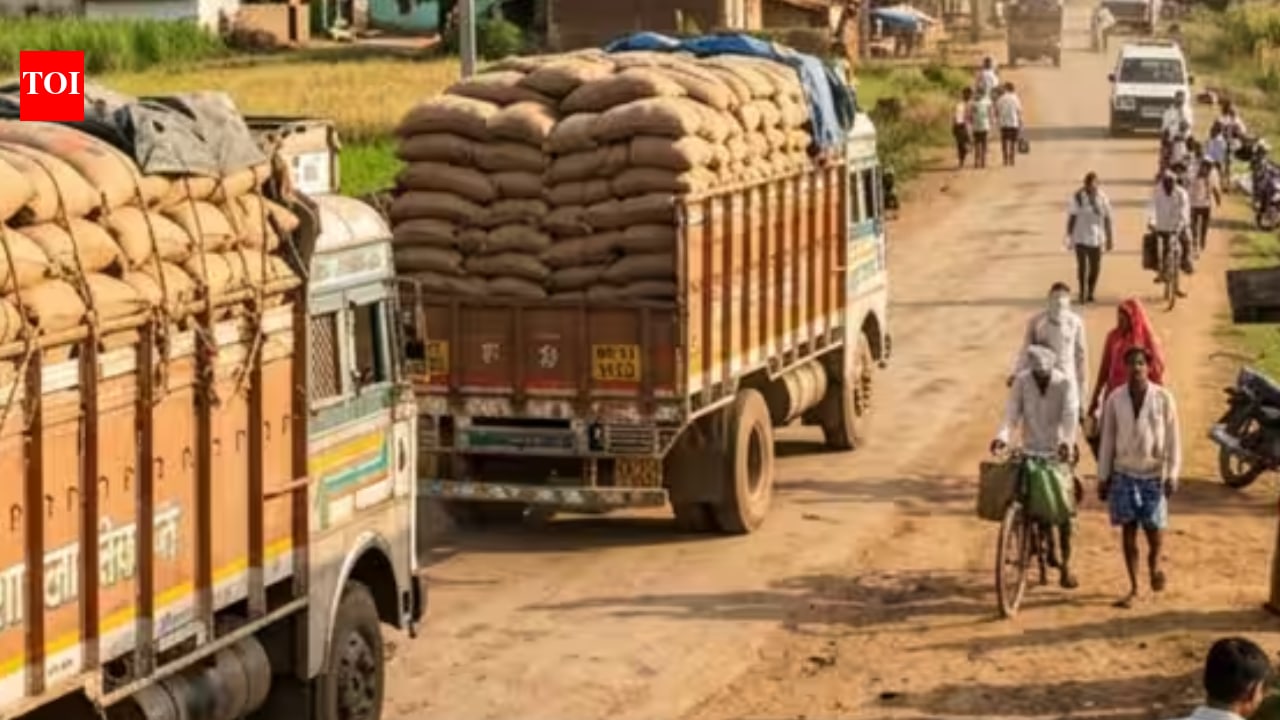
Authorities in Madhya Pradesh are investigating the disappearance of 32 trucks carrying Rs 4 crore worth of rice from Katni. The case involves conflicting claims between transporters and state officials, raising concerns about potential grain diversion and systemic corruption.
The Mystery of the Missing Millions: Katni’s Grain Disappearance
In a concerning development for state logistics and public distribution integrity, authorities in Madhya Pradesh are grappling with the disappearance of 32 trucks laden with rice, valued at approximately Rs 4 crore. These shipments, which originated from Katni, were intended for distribution in districts including Indore, Harda, and Neemuch. The fact that these consignments have remained unaccounted for since their departure last year signals a potentially significant lapse in the state's supply chain management and oversight mechanisms.
Discrepancies in Documentation and Accountability
The investigation was triggered when the Madhya Pradesh State Civil Supplies Corporation conducted a comprehensive audit, matching paddy transportation records from the point of origin against the receipt logs maintained by beneficiary districts. This rigorous cross-verification process revealed a glaring deficit: while the transporter maintains that all 32 consignments were successfully delivered, there is a total absence of corroborating documentation at the receiving end. This conflict between official logs and service provider claims forms the crux of the current inquiry.
Investigating the Potential for Diversion
Investigators are currently operating under the hypothesis that the grain may have been diverted for illegal sale in the open market rather than reaching its intended public distribution destination. The scale of the loss—over 1,000 quintals of rice—suggests a level of coordination that extends beyond mere administrative error. Authorities are now scrutinizing whether these shipments were rejected due to quality concerns or if the 'delivery' was a falsified claim designed to mask the unauthorized offloading of government-subsidized assets.
The Broader Implications for Public Distribution
The systemic vulnerability exposed by this incident highlights the critical need for digitized, real-time tracking in the public distribution system (PDS). When thousands of quintals of essential commodities can vanish from the supply chain, it threatens the food security of the vulnerable populations who rely on these allocations. The financial loss of Rs 4 crore is merely the surface-level impact; the erosion of institutional trust and the potential for black-market grain circulation represent far more significant long-term risks to the state’s regulatory framework.
Future Trends and Necessary Reforms
To prevent a recurrence of such incidents, the Madhya Pradesh government must likely move toward more transparent, blockchain-enabled or GPS-tracked logistics for the transport of essential goods. As the investigation continues, officials are emphasizing the need for strict accountability, targeting both negligence within the supply chain and potential criminal conspiracy. The outcome of this case will likely serve as a benchmark for future anti-corruption measures within the state’s civil supplies department, potentially leading to stricter vendor vetting and mandatory digital proof-of-delivery protocols.