I never got to experience my baby's scan but blind parents like me can now feel them
Source Entity
BBC News
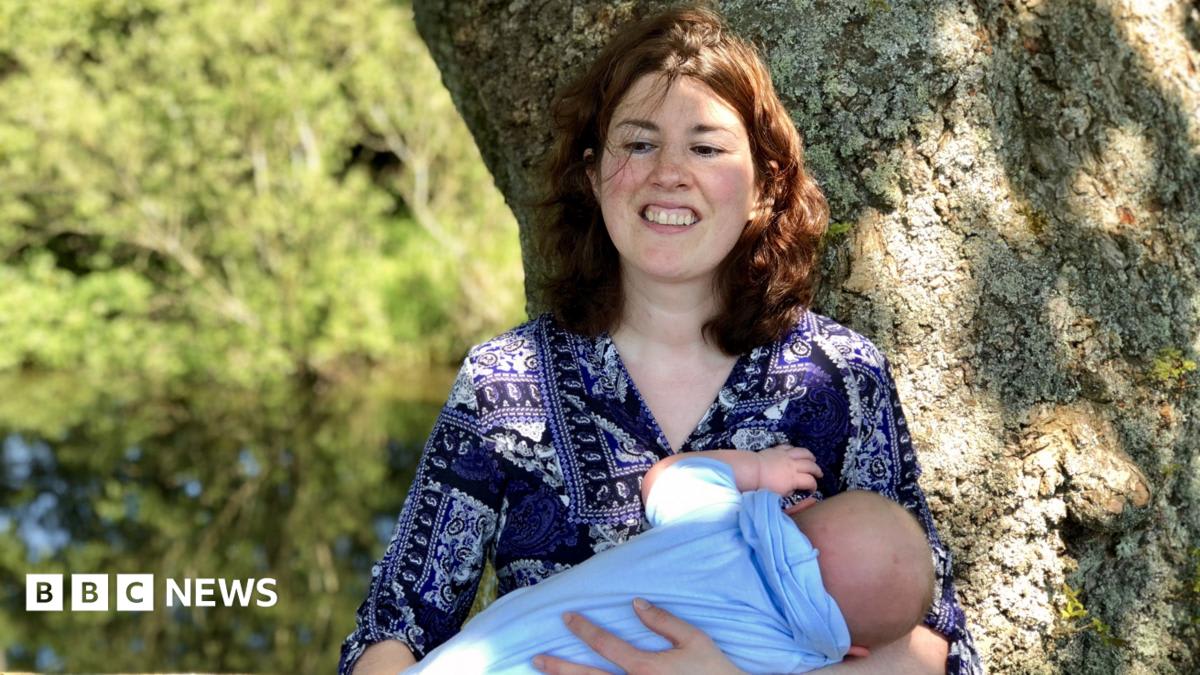
New 3D-printing technology is enabling blind parents to experience their unborn children through tactile models of pregnancy scans. This innovation bridges a significant emotional and accessibility gap in prenatal care.
Bridging the Sensory Gap in Prenatal Care
The experience of a pregnancy scan has long been a visual-centric milestone, often leaving blind or visually impaired parents feeling marginalized during one of the most significant moments of their lives. Historically, sonographers have been limited to auditory cues, such as amplifying the fetal heartbeat, to include these parents in the process. This limitation created an emotional disconnect, where the inability to 'see' the developing fetus meant that parents like Reece Finnegan-Knight felt excluded from the intimate bonding process that sighted parents take for granted.
The Shift Toward Tactile Inclusion
Recent innovations have introduced the use of 3D-printed models derived from routine 12-week ultrasound scans. This technology transforms digital sonographic data into physical, tangible objects that allow blind parents to explore the features of their unborn baby through touch. By providing a medium that transcends sight, medical providers are finally addressing the fundamental need for accessibility in maternal healthcare, ensuring that parents are no longer passive observers of their own pregnancy journey.
Impact on Parental Bonding
For many parents, the inability to participate in the 'sharing' of a sonogram—where friends and family often view images and remark on physical resemblances—can lead to feelings of alienation. Reece Finnegan-Knight’s testimony highlights this struggle, noting that the traditional process often left loved ones with more intimate knowledge of the baby than the parent themselves. Tactile models effectively democratize this bonding experience, allowing blind parents to hold a physical representation of their child, thereby fostering a deeper emotional connection long before birth.
Technological Advancements and Pilot Schemes
The integration of 3D printing into clinical settings represents a sophisticated application of existing imaging software combined with additive manufacturing. Pilot schemes, such as the one participated in by the Finnegan-Knight family, serve as the crucial testing ground for these technologies. As these programs expand, they provide the necessary data to refine the fidelity of the models, ensuring that the tactile experience accurately reflects the scan results while maintaining the privacy and dignity of the expectant parents.
Future Trends in Inclusive Healthcare
Looking ahead, the success of these pilot schemes suggests a broader movement toward 'inclusive design' in medical services. The shift from purely visual diagnostic tools to multi-sensory formats could eventually become a standard offering in prenatal care. As technology continues to lower the cost of high-resolution 3D printing, it is highly probable that more clinics will adopt these methods, fundamentally changing how visually impaired parents interact with their unborn children and reducing the isolation often felt in clinical environments.
Conclusion
The move toward 3D-tactile sonograms marks a compassionate and necessary evolution in modern medicine. By prioritizing the sensory needs of blind parents, the healthcare industry is not only improving the patient experience but also affirming that the joy of parenthood should be accessible to all, regardless of physical ability. This innovation serves as a powerful reminder that inclusive technology can bridge the gap between medical data and human connection.