'Still selecting Kohli & Rohit': Ex-cricketer makes big statement on Shami's India snub
Source Entity
TOI SPORTS DESK
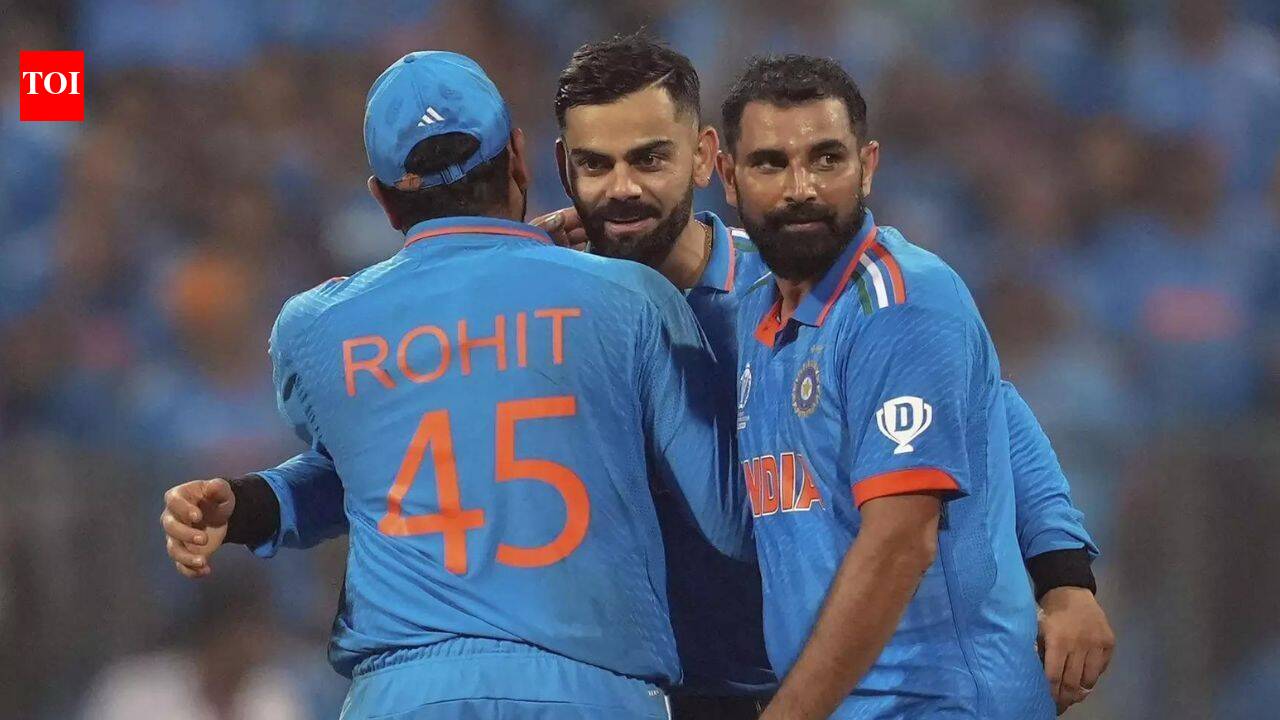
Former cricketer Aakash Chopra questions the inconsistency in India's selection policy regarding veteran players. He highlights the contrast between Mohammed Shami's exclusion and the continued selection of seniors like Virat Kohli and Rohit Sharma.
The Selection Paradox: Analyzing Shami's Omission
Former Indian cricketer Aakash Chopra has ignited a significant debate regarding the selection criteria currently employed by the Indian national cricket team management. At the heart of the discourse is the exclusion of veteran fast bowler Mohammed Shami, a decision that has sparked questions about transparency and consistency within the selection committee.
Age vs. Performance: The Core Conflict
Chopra’s primary contention is that age cannot be the sole deciding factor for excluding a player of Shami’s caliber. While the team management often signals a move toward younger talent to build for the future, the continued presence of stalwarts like Virat Kohli and Rohit Sharma suggests a policy that is not applied uniformly. By highlighting this discrepancy, Chopra challenges the narrative that the team is strictly prioritizing youth over experience.
Consistency in Selection Policy
The controversy underscores a broader issue in Indian cricket: the lack of a clear, publicized roadmap for veteran players. When players like Kohli and Sharma remain integral to the squad despite their advancing age, the omission of Shami—who has been a match-winner in multiple formats—appears contradictory to many observers. This creates a perception of ambiguity regarding how the BCCI values senior players who have proven their worth on the global stage.
The Strategic Implications for India
From a strategic perspective, the exclusion of a seasoned campaigner like Shami impacts the team's bowling depth, especially in high-pressure tournaments. While the need for transition is undeniable, the timing and reasoning behind such shifts are critical. If the selectors are indeed prioritizing long-term fitness and future-proofing the squad, the rationale needs to be better articulated to avoid public and expert scrutiny.
Future Trends in Indian Cricket
Looking ahead, this debate is likely to intensify as India prepares for upcoming international cycles. If the management continues to rely on senior batters while simultaneously discarding senior bowlers, it may lead to further questions about potential biases in selection. The future of Indian cricket selection will likely need to balance the necessity of grooming young talent with the undeniable value that experienced professionals bring to the team’s balance and temperament.
Conclusion
Ultimately, Aakash Chopra’s statement serves as a reminder that selection decisions are rarely just about statistics or physical age. They are about the philosophy of leadership and the vision for the team’s identity. Until the selection committee provides a more cohesive justification for these disparate treatments, the debate over Shami’s status will continue to reflect the complexities of managing a transition-heavy era in Indian cricket.