BCCI needs to look within: India, with some tired players in ranks, not going to gain anything from Afghanistan T20Is
Source Entity
Latest News: Todays Latest News Headlines from India & World | Hindustan Times | Hindustan Times
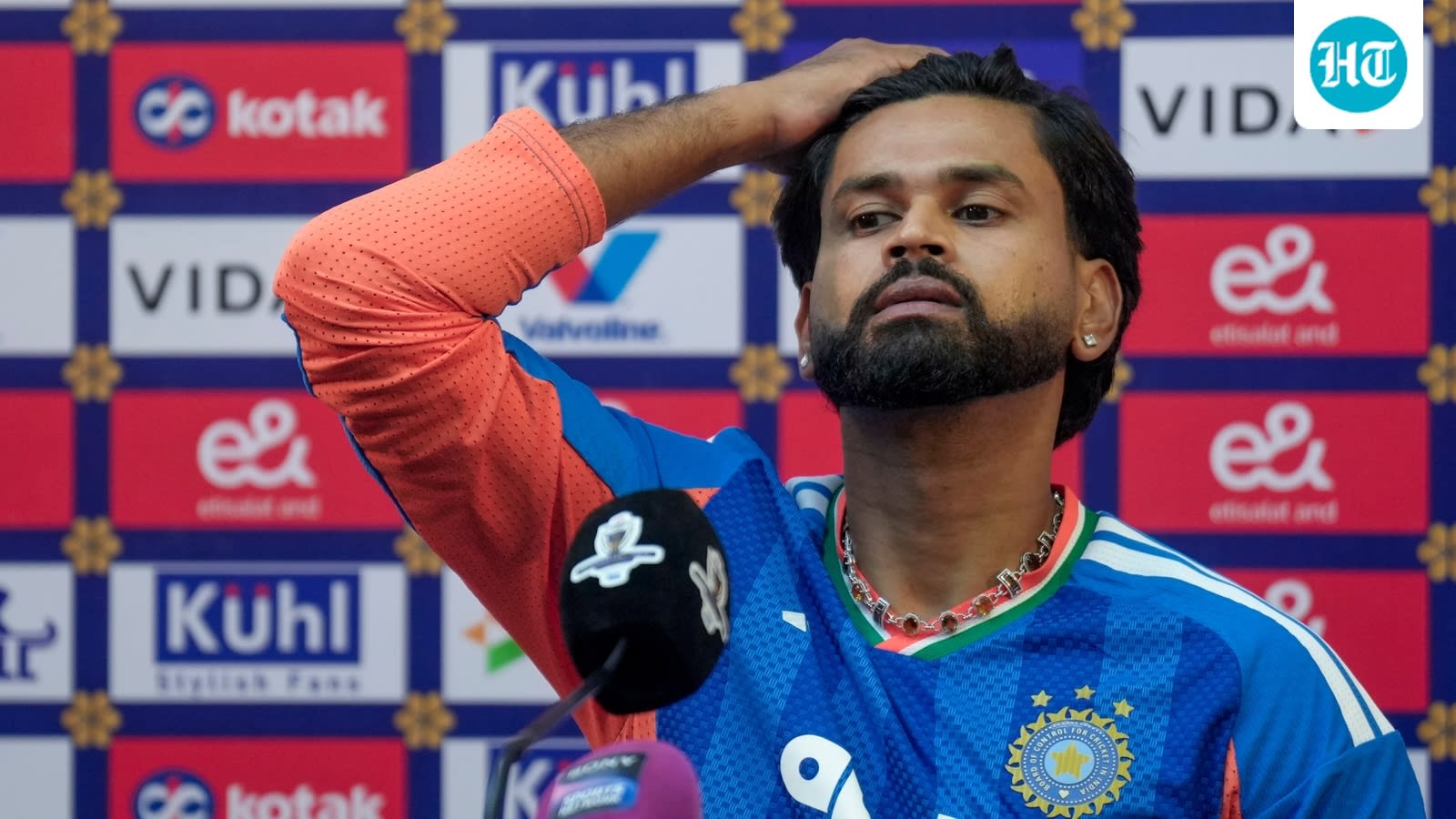
Sunil Gavaskar has criticized the ICC and BCCI for over-scheduling Indian cricketers, leading to player exhaustion. The critique highlights a lack of strategic planning in international fixtures and domestic tournament scheduling.
The Crisis of Player Workload in Indian Cricket
Recent commentary from Indian cricket legend Sunil Gavaskar has ignited a necessary debate regarding the physical and mental toll of a relentless international cricket calendar. Gavaskar’s assertion that Indian cricketers are not 'machines or sugarcane' to be squeezed for every drop of utility serves as a poignant reminder of the human cost behind the sport's commercial success. While the International Cricket Council (ICC) often bears the brunt of scheduling criticism, the scrutiny is now rightfully shifting toward the Board of Control for Cricket in India (BCCI).
The BCCI's Role in Global Scheduling
As the most powerful cricket board globally, the BCCI possesses unprecedented leverage to influence the Future Tours Programme (FTP). Critics argue that if the BCCI were truly committed to player welfare, it could negotiate more sustainable schedules. The decision to play seven T20 Internationals against Afghanistan in a span of just over three months is being cited as an example of administrative shortsightedness that provides little strategic value while unnecessarily taxing the squad.
Domestic Overload and the Duleep Trophy
Beyond international commitments, the internal management of domestic cricket further complicates the situation. The upcoming scheduling of the Duleep Trophy is being viewed by analysts as a litmus test for the board's priorities. By failing to integrate domestic recovery windows with international duties, the BCCI risks pushing players toward burnout and injury, potentially shortening the careers of the country's brightest talents.
Assessing the Value of Bilateral Series
There is a growing sentiment that the frequency of certain bilateral series lacks competitive necessity. While the BCCI prioritizes revenue generation, the repetitive nature of these fixtures against teams like Afghanistan does not necessarily elevate the quality of Indian cricket. Experts argue that the board should prioritize quality over quantity, ensuring that players are rested and prepared for major ICC tournaments rather than being spread thin across meaningless bilateral matches.
Future Implications and Necessary Reforms
Moving forward, the BCCI must reconcile its immense commercial power with its responsibility to safeguard its athletes. If the current trajectory continues, the risk of long-term injuries to key players remains a significant threat to India's performance on the global stage. A shift toward a more player-centric model—where domestic and international loads are balanced—is essential to maintaining India’s dominance in world cricket.
Conclusion
In summary, the critique leveled by Sunil Gavaskar is a call to action for the BCCI to look within. It is time for the board to move beyond purely financial considerations and adopt a more holistic approach to player management. By rationalizing the schedule and valuing the longevity of its cricketers, the BCCI can protect the future of the sport while maintaining its standing as the world's leading cricketing authority.
Verification Required?