Aavin to reintroduce ‘button paal’ system of selling milk through vending machine, Madras High Court told
Source Entity
India Latest News: Top National Headlines Today & Breaking News | The Hindu
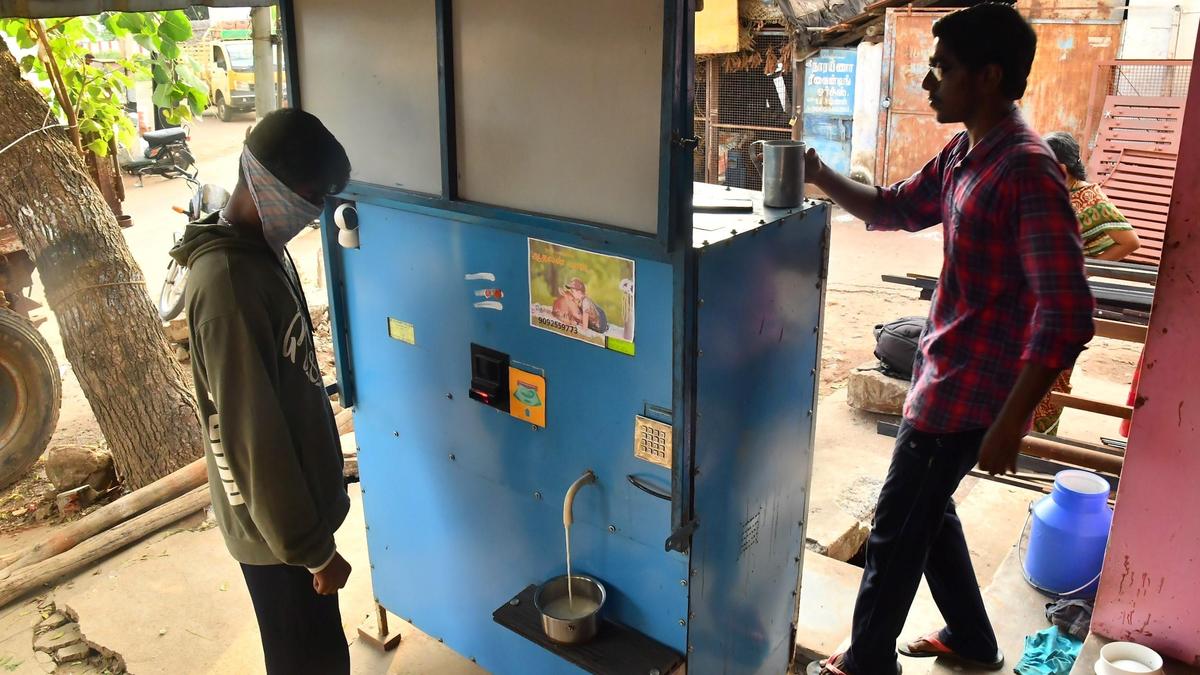
The pilot project is all set to be launched soon in Kodaikanal and Udhagamandalam following a Madras High Court directive
The Return of 'Button Paal': Aavin's Strategic Shift Toward Automated Dairy Distribution
In a significant move toward modernizing dairy distribution and addressing environmental concerns, the Tamil Nadu Co-operative Milk Producers' Federation Ltd (Aavin) has announced the reintroduction of the 'button paal' system. This automated milk vending machine (AMVM) initiative is slated for a pilot launch in the hill stations of Kodaikanal and Udhagamandalam (Ooty). The decision comes in the wake of a directive from the Madras High Court, signaling a judicial push toward more sustainable and efficient public utility delivery systems in ecologically sensitive zones.
Understanding the 'Button Paal' Mechanism
The 'button paal' system operates on a simple yet effective automated dispensing model. Unlike traditional milk booths where staff manually package milk into plastic pouches, these vending machines allow consumers to purchase precise quantities of milk by pressing a button and paying via digital or coin-based systems. This automation reduces the need for human intervention at the point of sale, potentially lowering operational overhead for Aavin while providing consumers with 24/7 access to fresh milk. By automating the process, Aavin aims to ensure standardized measurements and a more streamlined supply chain in these specific pilot regions.
Environmental Imperatives in Hill Stations
The selection of Kodaikanal and Udhagamandalam as the pilot sites is highly strategic. Both regions are critical ecological hubs that suffer significantly from plastic pollution. Traditional milk distribution relies heavily on low-density polyethylene (LDPE) pouches, which often end up in landfills or as litter in the fragile Western Ghats ecosystem. By utilizing vending machines, Aavin encourages a 'bring-your-own-container' model, effectively eliminating the need for single-use plastic packaging for every single purchase. This shift aligns with broader global trends toward a circular economy and reflects a localized effort to protect the biodiversity of Tamil Nadu's hill stations.
The Role of Judicial Intervention
The fact that this reintroduction follows a Madras High Court directive highlights the increasing role of the judiciary in overseeing public health and environmental sustainability. The court's intervention suggests that the 'button paal' system is viewed not merely as a business convenience but as a necessary step toward reducing the carbon footprint of essential services. This legal catalyst ensures that the state-run cooperative prioritizes sustainable infrastructure over the convenience of traditional, waste-heavy packaging methods, setting a precedent for how other essential commodities might be distributed in the future.
Socio-Economic Impact on the Consumer
For the residents and tourists of Kodaikanal and Ooty, the reintroduction of vending machines promises greater convenience and transparency. The automated system removes the potential for measurement discrepancies often found in manual pouring. Furthermore, it caters to the modern consumer's preference for contactless transactions and flexible purchase volumes. From an economic perspective, if Aavin can successfully reduce its reliance on plastic packaging and manpower for these kiosks, these savings could potentially be passed down to the consumer, making essential nutrition more affordable.
Operational Challenges and Technical Hurdles
Despite the benefits, the rollout is not without challenges. Maintaining automated machinery in the humid and cold climates of the hill stations requires rigorous technical upkeep. Ensuring a consistent cold chain—from the chilling center to the vending machine—is critical to prevent spoilage and maintain food safety standards. Aavin will need to implement a robust monitoring system to track milk levels and machine health in real-time to avoid outages, which could lead to public dissatisfaction in these high-demand tourist areas.
Conclusion and Future Outlook
The 'button paal' pilot project represents a convergence of technology, environmental stewardship, and judicial oversight. If the trial in Kodaikanal and Udhagamandalam proves successful, it is highly probable that Aavin will scale this model across other urban and semi-urban centers in Tamil Nadu. This transition could mark the beginning of the end for plastic milk pouches in the state, transitioning the dairy industry toward a more sustainable, automated, and consumer-centric future that balances commercial viability with ecological responsibility.
Verification Required?