Wheat Starting off Monday with Gains
Source Entity
Yahoo Finance
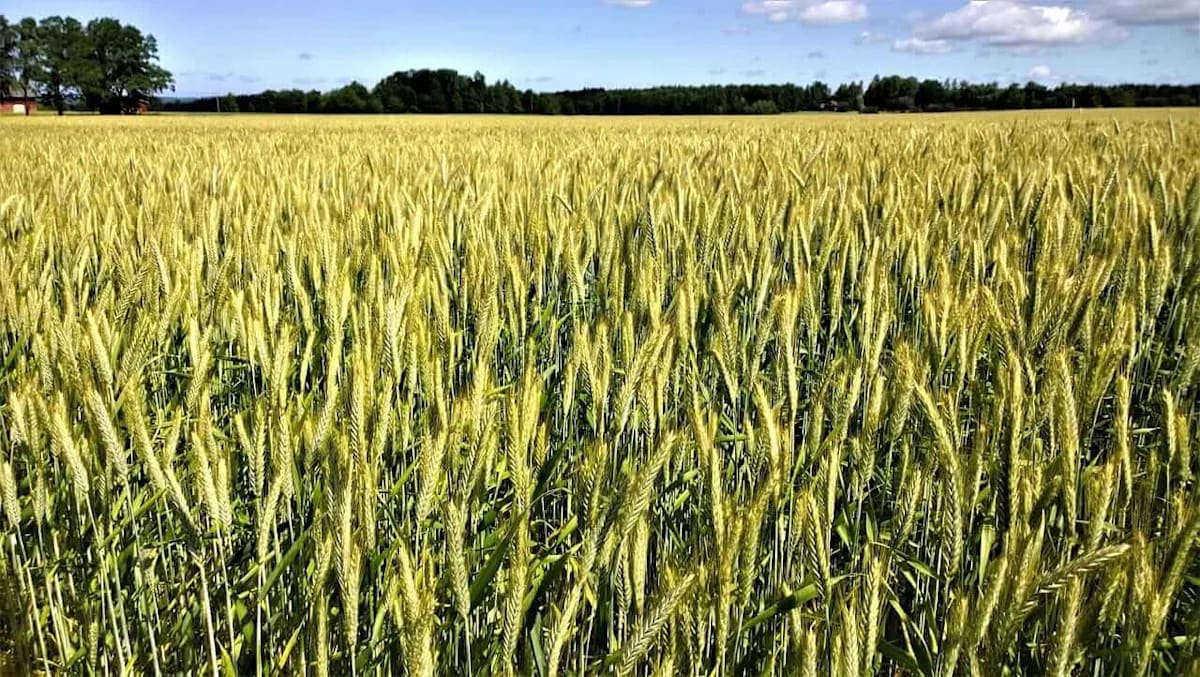
Corn and wheat futures are showing early week gains as traders react to lower-than-expected 2026 corn yields and renewed geopolitical tensions in the Black Sea. Despite recent market volatility and risk-off sentiment, supply concerns continue to drive price action across agricultural commodities.
Agricultural Commodities Open Higher Amid Supply and Geopolitical Volatility
The agricultural sector kicked off the week with notable bullish momentum, as both corn and wheat futures registered gains during Monday morning trading. This shift in sentiment follows a period of localized weakness, signaling that market participants are recalibrating their positions based on emerging supply-side data and heightened geopolitical risks that threaten global grain flow.
Corn Market Dynamics and Yield Concerns
The corn market, specifically the December 2026 issue (ZCZ26), experienced a strong start, extending gains by as much as 7.25 cents on relatively light volume. This upward pressure is largely attributed to initial 2026 harvest yield reports arriving below market expectations. While the agricultural sector had largely priced in these concerns, the persistent tightening of the Dec-March futures spread—which dropped from a 49% calculated full commercial carry to 45%—suggests that physical market participants are becoming increasingly sensitive to supply constraints as weather patterns shift in September.
Wheat and the Geopolitical Risk Premium
Conversely, the wheat complex is attempting to recover from a period of significant selling pressure that occurred late last week. Following a 'risk-off' approach on Friday that saw Chicago SRW, KC HRW, and MPLS spring wheat all settle in the red, Monday morning brought a reversal with gains of 6 to 8 cents. This recovery is directly linked to renewed reports of Ukrainian attacks on Russian energy infrastructure, which has reignited fears regarding the stability of Black Sea export corridors.
The Fragility of Black Sea Supply Chains
The Black Sea remains a critical chokepoint for global food security. Despite international calls for de-escalation, export volumes from both Russia and Ukraine remain severely constrained. The market's sensitivity to these infrastructure attacks highlights how deeply geopolitical instability is embedded in current grain pricing. When energy infrastructure is targeted, it creates uncertainty regarding the logistics of grain transportation, forcing traders to bake a higher risk premium into wheat futures.
Analyzing Market Sentiment and Future Trends
Moving forward, the primary driver for agricultural commodities will likely be the confluence of domestic yield data and international conflict. As the 2026 harvest progresses, actual yield numbers will either confirm the current bearish sentiment or trigger a supply-driven rally if they continue to disappoint. Meanwhile, investors must navigate a volatile landscape where macro-level geopolitical shocks can instantly reverse technical trends. The 'light trade volume' observed in the corn market serves as a warning; low liquidity can often lead to outsized price swings if news headlines regarding the Black Sea conflict escalate further.
Conclusion
In summary, the early week performance of corn and wheat underscores a market caught between domestic agricultural output realities and the unpredictable nature of global supply chain disruptions. Traders are currently balancing the fundamental data of sub-par harvests against the persistent threat of geopolitical interference in the Black Sea. Until there is greater clarity on actual harvest volumes and a cooling of regional tensions, volatility is expected to remain a defining feature of the grain markets.