‘PCB does some things only for media’: Ex-Pakistan batter tears into country's cricket body over deeper problems
Source Entity
Latest News: Todays Latest News Headlines from India & World | Hindustan Times | Hindustan Times
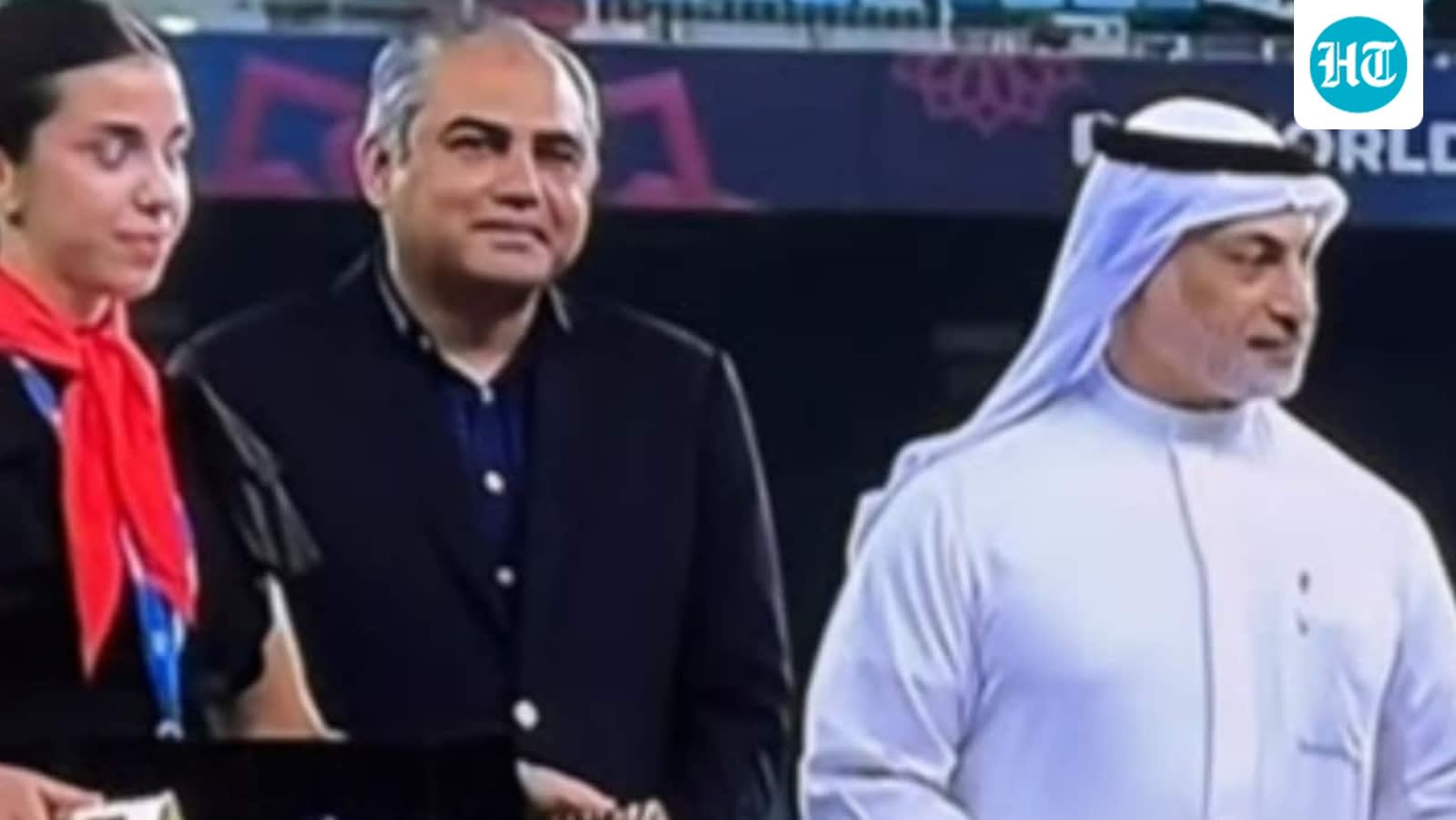
Former Pakistan cricketer Ahmed Shehzad has criticized the PCB for prioritizing cosmetic changes over addressing systemic failures. While acknowledging the return of star players to the domestic circuit, he argues that deeper structural issues remain ignored.
The Crisis in Pakistan Cricket: A Structural Critique
The recent decision by the Pakistan Cricket Board (PCB) to mandate the participation of international stars like Babar Azam and Shaheen Shah Afridi in the domestic first-class circuit marks a significant shift in policy. By reintegrating these high-profile players into the local structure, the board aims to bridge the gap between grassroots talent and the international stage, a move designed to address the team's recent struggles across all formats.
The Illusion of Progress
While the sight of national icons competing in domestic matches is being touted as a positive development, former Pakistan batter Ahmed Shehzad has offered a scathing counter-narrative. Shehzad contends that these measures are merely 'cosmetic fixes'—superficial adjustments intended to satisfy media scrutiny and appease fan bases rather than addressing the fundamental rot within the system.
Deeper Structural Failures
Shehzad’s critique centers on the notion that the PCB often prioritizes optics over long-term sustainability. By focusing on the presence of star players, the board potentially masks underlying issues such as inconsistent talent development, administrative instability, and a lack of a cohesive long-term strategy for domestic infrastructure. For critics like Shehzad, the current policy serves as a distraction from the deep-seated problems that have plagued Pakistan cricket for years.
The Impact of Administrative Oversight
References to the PCB’s management, including the involvement of figures like Mohsin Naqvi, highlight the intersection of administrative pressure and performance outcomes. The scrutiny placed upon the board following the team's decline suggests that the public and former players are no longer satisfied with temporary solutions. The pressure to succeed, especially in the wake of international tournaments like the Women's Asia Cup 2026, places the PCB in a precarious position where every decision is weighed against the backdrop of systemic fragility.
Looking Ahead: The Path to Reform
For Pakistan cricket to truly evolve, the transition must move beyond the participation of stars. True reform requires transparent governance, merit-based selection processes, and an overhaul of the domestic framework that goes deeper than just ensuring player attendance. If the PCB continues to focus on what Shehzad describes as actions performed 'only for media,' the core problems—ranging from pitch quality to coaching standards—will likely persist.
Conclusion
In summary, the debate surrounding the PCB's latest directives exposes a widening rift between the board’s public relations strategy and the reality of the sport's needs. While reintegrating elite players is a step in the right direction, it is clearly insufficient without a holistic approach to structural reform. The future of Pakistan cricket depends on whether the administration is willing to confront these deeper issues or if they will continue to rely on the aesthetic appeal of star power to silence their critics.
Verification Required?