Negative mindsets don’t work here: Samson and the competition with Sooryavanshi
Source Entity
Latest News: Todays Latest News Headlines from India & World | Hindustan Times | Hindustan Times
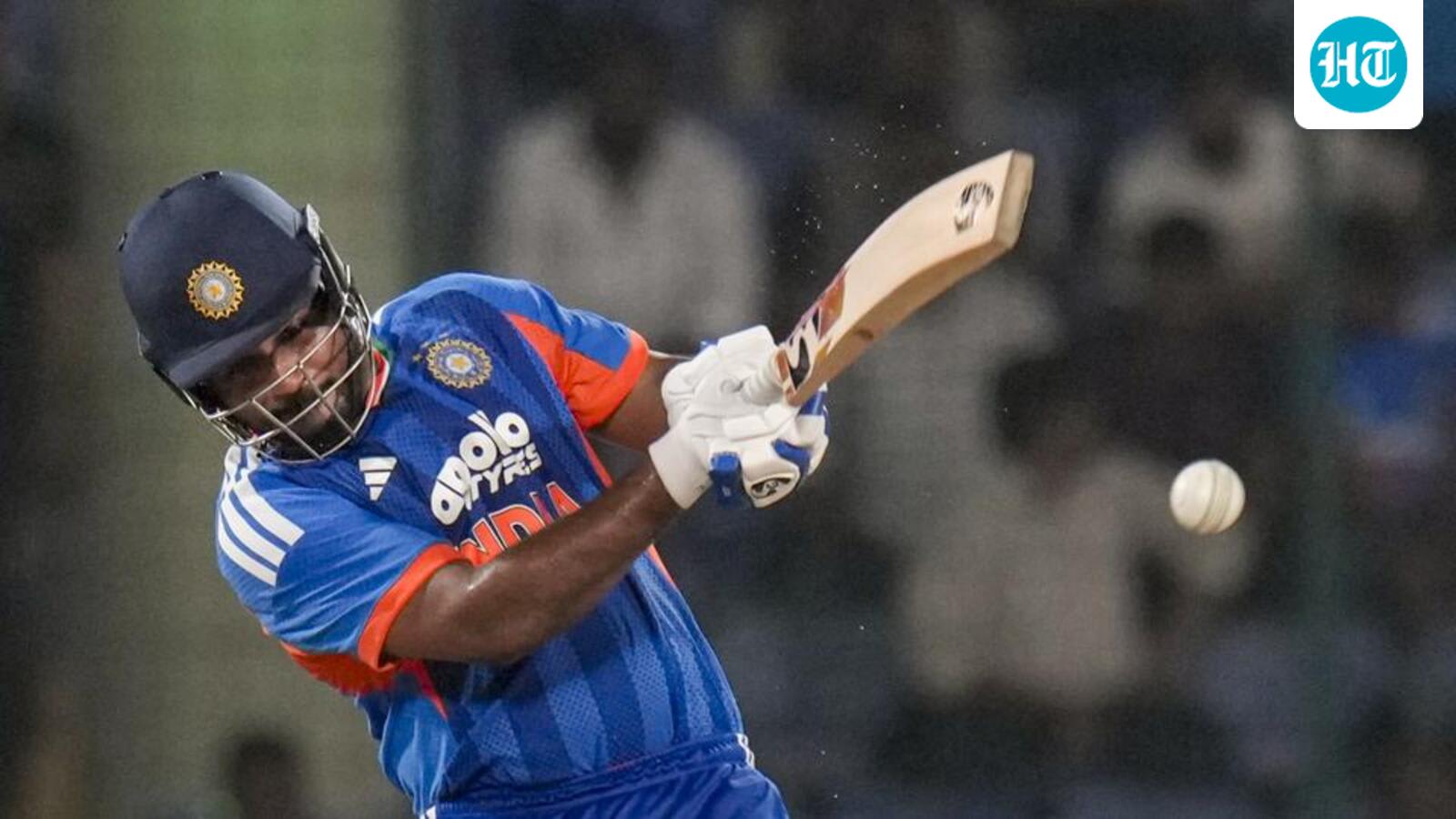
Sanju Samson addresses the intense scrutiny surrounding his place in the Indian T20 squad amidst competition from young prodigy Vaibhav Sooryavanshi. Emphasizing team-first values, Samson highlights the psychological challenges of professional cricket while remaining focused on performance.
The Psychological Landscape of Elite Cricket
In the high-stakes environment of international cricket, the pressure to perform is constant, and the discourse surrounding player selection is often amplified by public opinion. Sanju Samson, a staple in the Indian T20 setup, recently addressed the intense scrutiny following reports that the team management might favor the 15-year-old prodigy Vaibhav Sooryavanshi for the final match against Afghanistan. Samson’s candid reflections underscore the reality that even established athletes are not immune to the 'noise' of external expectations and social media commentary.
Navigating the 'Noise' and Mental Resilience
Samson’s admission that he is 'not a machine' highlights the human element often overlooked by fans and analysts. By describing his attempts to 'switch off the Wi-Fi' to avoid negative commentary, he provides a rare, grounded perspective on how modern cricketers manage their mental health. His acknowledgment that this chatter inevitably affects players challenges the common narrative that professional athletes should be entirely detached from public perception, suggesting instead that resilience is about learning to manage these emotions rather than pretending they do not exist.
Team Dynamics vs. Individual Rivalries
At the core of the ongoing discourse is the tension between individual career progression and the broader team objective. With India having already secured the T20 series against Afghanistan, the focus has shifted toward testing bench strength ahead of upcoming major events like the Asian Games. Samson emphasizes that individual rivalries, such as the perceived competition with a rising talent like Sooryavanshi, are secondary to the team’s need to secure victories and experiment with personnel.
The Rise of the Prodigy: Vaibhav Sooryavanshi
The potential inclusion of 15-year-old Vaibhav Sooryavanshi in the playing XI for the third T20I in Delhi represents a broader trend in Indian cricket: the aggressive integration of young talent. As captain Shreyas Iyer looks to provide playing time to squad members before the Asian Games in Japan, the selection process becomes a balancing act between rewarding current form and investing in future potential. This strategic pivot is vital for maintaining a deep talent pool in a sport where injury management—as seen with Varun Chakaravarthy—is a constant factor.
Future Trends in Selection Strategy
Looking ahead, the Indian team’s strategy appears to be one of calculated rotation. By utilizing the final match of a secured series to evaluate players like Sooryavanshi while maintaining the core presence of performers like Samson and Abhishek Sharma, the management aims to achieve both short-term dominance and long-term depth. As cricket evolves, the ability of senior players to mentor younger counterparts while competing for the same positions will likely remain a defining characteristic of the Indian dressing room culture.
Conclusion: A Professional Outlook
Ultimately, Sanju Samson’s recent performance—exemplified by his explosive 57 off 22 balls—serves as a testament to his ability to channel pressure into productivity. His commitment to prioritizing team dynamics over personal anxiety provides a blueprint for how players can navigate the volatile nature of international selection. As the team looks toward the future, the integration of new talent like Sooryavanshi, supported by the steady hand of experienced players, will be crucial for sustained success on the global stage.
Multiple Citing Sources
Verification Required?