Your AI 80s photo looks too fake? 7 prompts for a more realistic vintage picture
Source Entity
Latest News: Todays Latest News Headlines from India & World | Hindustan Times | Hindustan Times
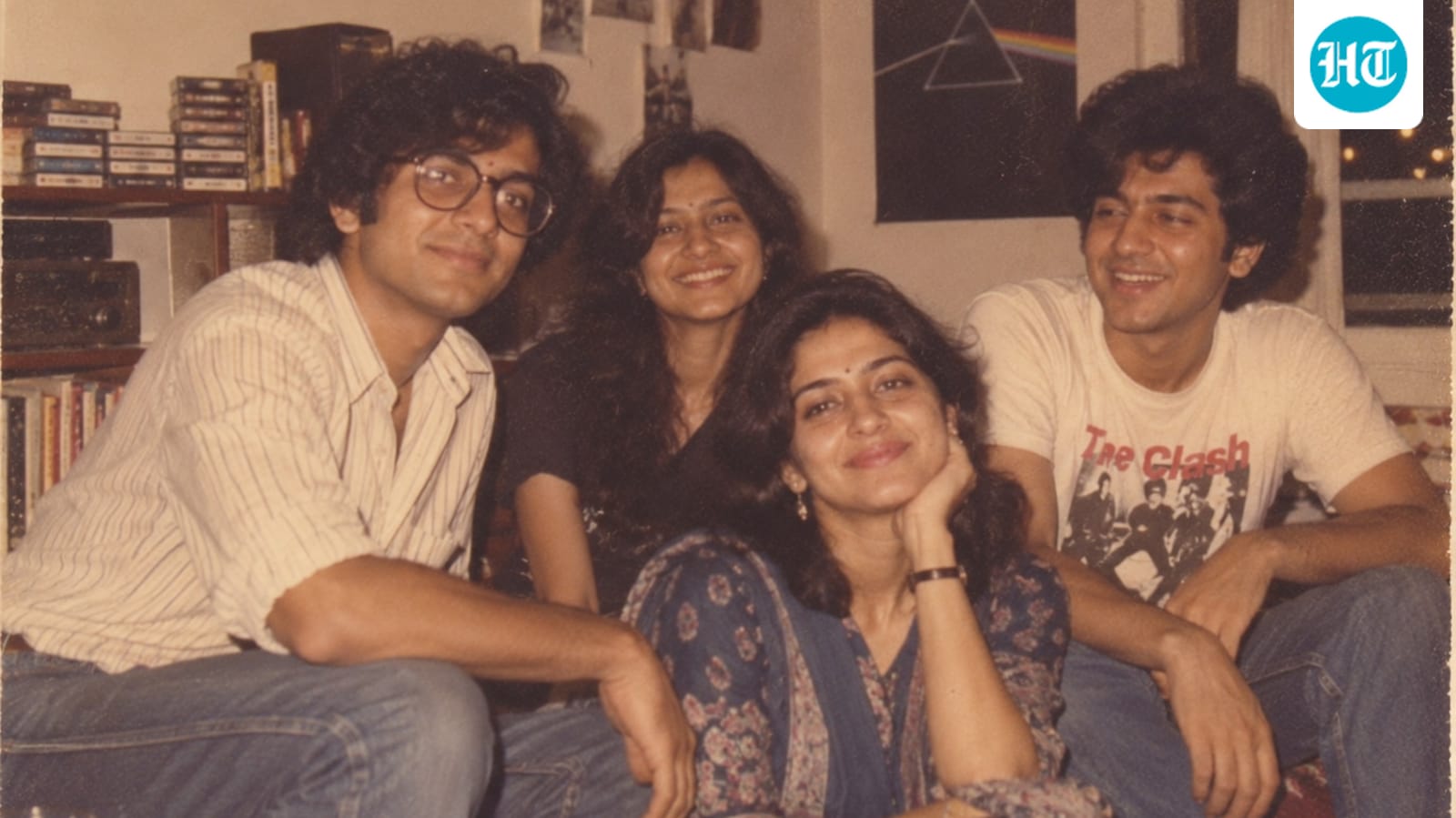
The viral AI-driven 80s photo trend highlights a shift toward generative transformation rather than simple filters. However, users are urged to weigh the creative appeal against serious privacy risks and the significant environmental toll of AI data center energy and water consumption.
The Viral 80s AI Nostalgia Trend
The current digital zeitgeist has been captured by a wave of 1980s-themed AI photography. Unlike traditional photo editing apps that merely overlay vintage filters or sepia tones, modern generative AI tools allow for a comprehensive structural transformation of an image. By adjusting lighting, background elements, period-accurate fashion, and hairstyles, these models create a 'lived-in' aesthetic that feels authentically retro. Achieving this level of realism, however, demands precise prompting, turning the act of photo creation into a collaborative process between human intent and machine learning algorithms.
The Mechanics of Generative Transformation
At the core of this trend is the ability of AI to hallucinate and reconstruct visual data. Rather than just applying a mask, these tools utilize latent diffusion models to understand the 'essence' of 1980s imagery. Users have discovered that to move beyond the 'fake' or over-processed look, they must provide highly specific prompts that describe the film grain, camera quality, and cultural markers of the decade. This shift represents a broader trend in how the internet consumes media: moving from passive consumption of content to active, AI-assisted generation.
Privacy and Surveillance Concerns
While the creative output is captivating, the rise of such trends raises significant questions regarding digital privacy. In an era where facial recognition and biometric data harvesting are prevalent, uploading personal images to AI platforms carries inherent risks. With the proliferation of advanced hardware like Meta AI glasses, the boundaries of personal surveillance are blurring. Participation in these trends often necessitates sharing high-resolution facial data with third-party servers, potentially exposing users to long-term privacy vulnerabilities that are difficult to mitigate once the data is processed.
The Environmental Toll of Generative AI
Beyond privacy, the environmental impact of these trends is substantial and often overlooked. The computational power required to generate millions of high-quality AI images is immense. Data centers, such as the Google-Adani facility currently under construction near the Kambalakonda Wildlife Sanctuary in Visakhapatnam, require vast amounts of electricity and water for cooling. This infrastructure places a direct strain on local water supplies and energy grids, particularly in regions already facing climate stress.
Broader Implications and Future Outlook
As we look toward the future, the '80s AI trend serves as a microcosm for the sustainability of the generative AI era. The intersection of entertainment and resource depletion will likely become a primary focus of digital ethics. As users become more aware of the environmental and privacy costs associated with their digital habits, there may be a shift toward more sustainable, localized, or privacy-preserving AI models. Ultimately, the quest for a 'perfect' vintage snapshot forces a confrontation with the very real, modern-day costs of our technological appetites.
Verification Required?