Choosing these AI-exposed college majors could dent your job prospects — and lower your pay
Source Entity
Andrew Keshner
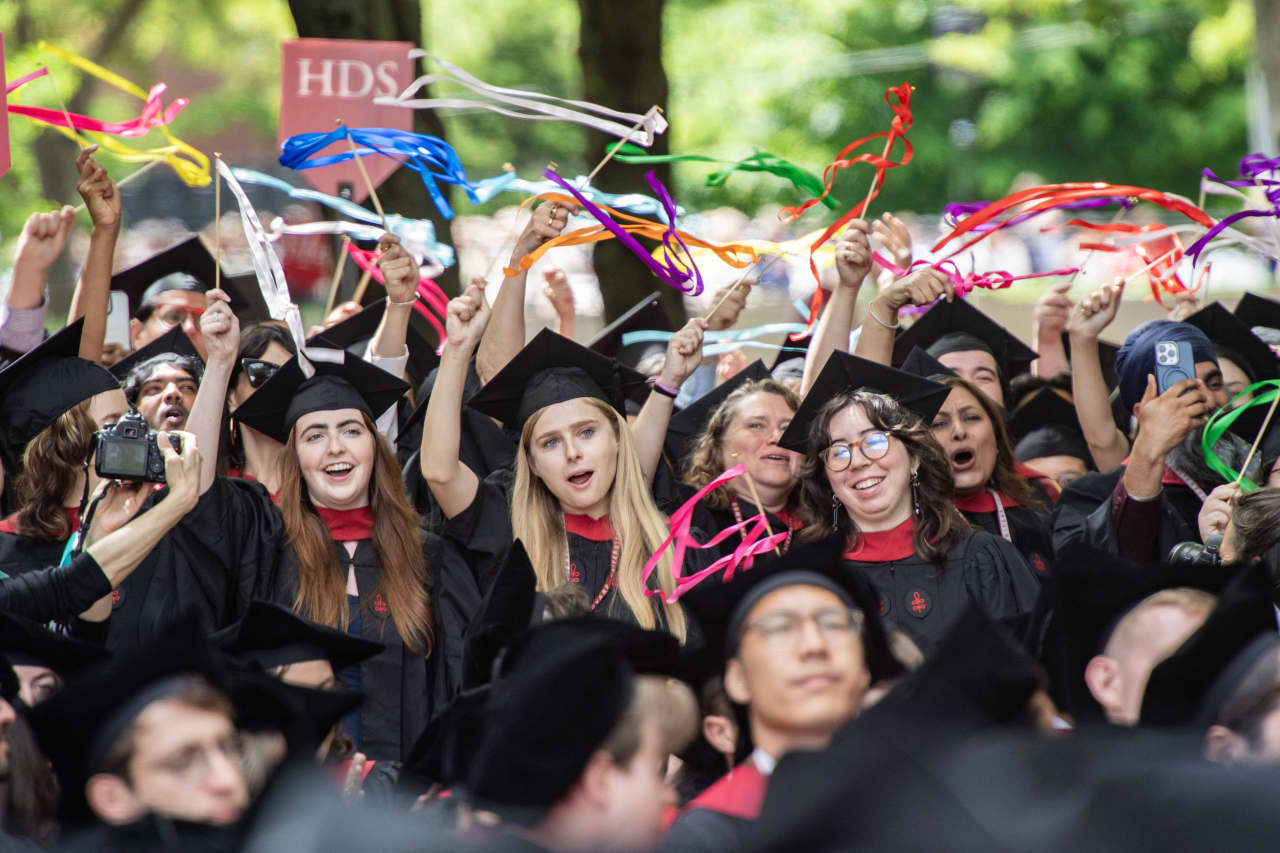
Conflicting research on AI's impact on entry-level hiring creates uncertainty for college graduates. While some studies suggest AI-impacted majors face lower prospects, recent data indicates no widespread displacement of new workers.
The AI Paradox: Navigating Career Uncertainty for Recent Graduates
As artificial intelligence continues to permeate the professional landscape, the anxiety surrounding its impact on entry-level job markets has reached a fever pitch. College students are increasingly rethinking their academic trajectories, driven by fears that their chosen fields may be rendered obsolete or significantly automated. This shift in academic focus highlights a growing tension between perceived risks and actual labor market realities.
Conflicting Data on AI Displacement
Recent reports present a complex picture of the current job market. A Stanford University study suggested that entry-level employment in "AI-impacted" occupations is lagging behind other fields. However, a contrasting working paper from CESifo, authored by Robert Fairlie and Jane Wu, argues that there is no significant evidence of widespread displacement or reduced hiring for recent college graduates. These researchers focused on new entrants to the workforce, positing that labor demand shifts would manifest first as hiring reductions, yet their data suggests the labor market remains relatively resilient.
The Changing Nature of Entry-Level Roles
The core of the debate lies in the nature of entry-level office tasks, which are often the most susceptible to automation. As AI becomes capable of handling standardized, repetitive work, the structure of junior-level roles is evolving. Students are now faced with the dual challenge of preparing for a market that is simultaneously demanding AI proficiency as a skill while potentially automating the very tasks that historically served as an entry point for recent graduates.
Student Sentiment and Strategic Shifts
Academic institutions are seeing a tangible change in student behavior. As noted by student observers like Michela DiLorenzo, the uncertainty surrounding AI's influence has prompted many students to pause their long-term plans. Instead of jumping directly into graduate school, many are opting for stop-gap employment or temporary roles. This hesitation reflects a deeper concern: the fear that traditional career paths are no longer reliable in the shadow of rapid technological advancement.
The Hiring Process and AI Gatekeepers
Beyond job availability, the mechanics of landing a role have shifted. Employers are increasingly utilizing AI-powered screening tools to manage high application volumes. For job seekers, this creates a "black box" effect where standing out in a crowded market feels more difficult than ever. Candidates must now navigate both the technological barriers of AI resume filters and the requirement to demonstrate AI competency to prospective employers.
Future Outlook
While current hiring data suggests that mass displacement has not yet occurred, the psychological and strategic impact on the workforce is undeniable. The long-term trend will likely favor graduates who treat AI not as a threat, but as a tool to augment their productivity. Moving forward, academic and career counseling must evolve to provide students with the adaptability required to thrive in a market where the only constant is technological change.
Verification Required?