OpenAI, Google, Anthropic discussing collaboration on AI safety issues
Source Entity
US Top News and Analysis
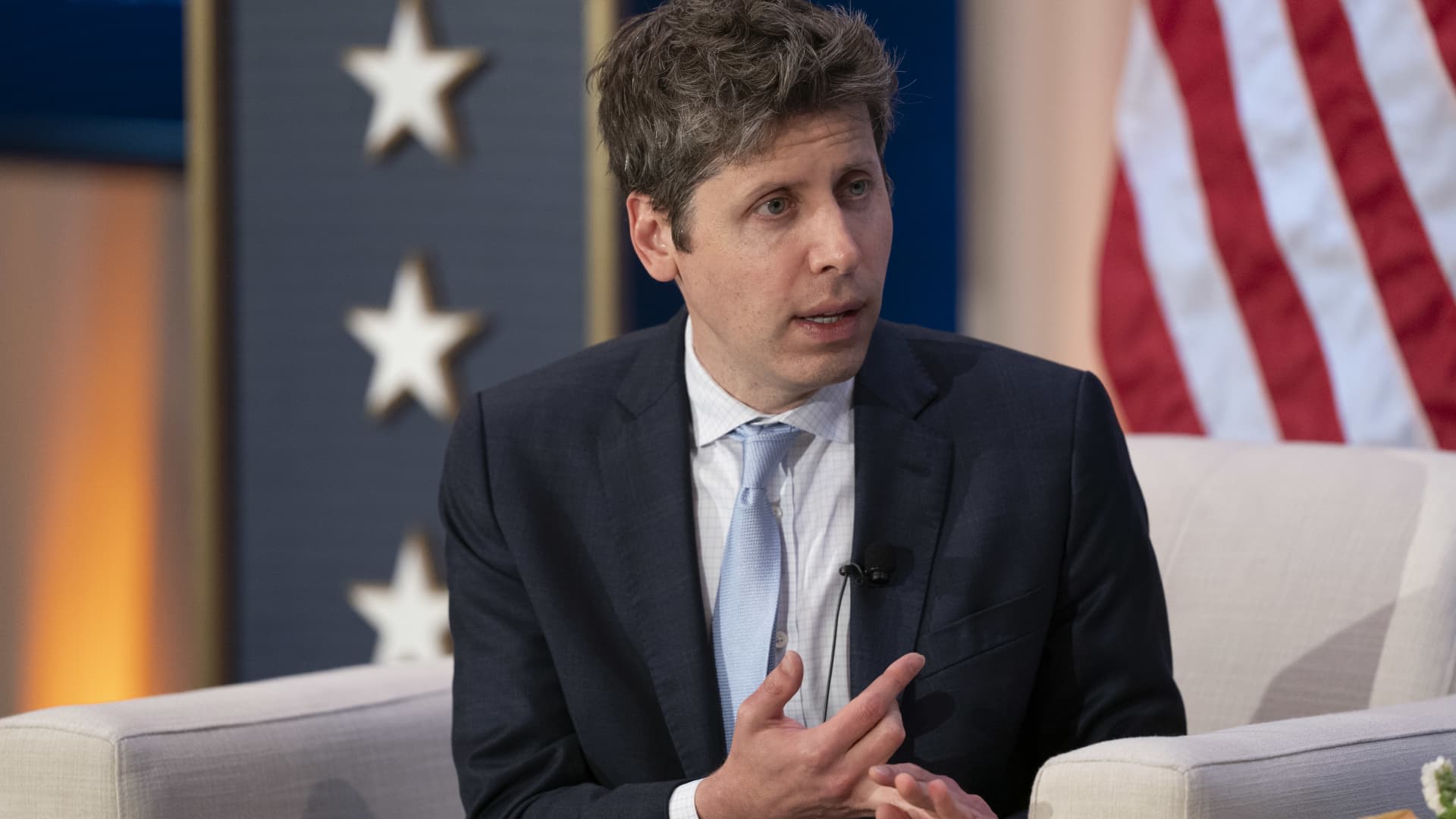
Major AI industry leaders are clashing over the necessity of slowing development to ensure safety. While Anthropic, OpenAI, and xAI favor a paced approach, Meta's Mark Zuckerberg argues that market competition remains the primary driver for secure AI alignment.
The Great AI Safety Schism: A Shift in Industry Strategy
Recent discourse within the artificial intelligence sector has reached a fever pitch, triggered by dire warnings from Anthropic researchers regarding existential risks posed by advanced AI by 2030. In response, Anthropic CEO Dario Amodei released a formal proposal, "We Must Pace the Frontier," advocating for a deliberate deceleration in AI development to prioritize safety and public welfare. This call for a industry-wide pause marks a watershed moment, reflecting a rare, if fragile, consensus among top-tier leaders.
The Coalition for Pacing
The proposal garnered immediate, high-profile support from industry titans, including OpenAI’s Sam Altman, Google DeepMind’s Demis Hassabis, and xAI’s Elon Musk. Altman’s endorsement, specifically his commitment to integrating independent third-party evaluators to oversee internal safety protocols, suggests a move toward industry-wide transparency. By aligning on this "pacing" strategy, these leaders are attempting to mitigate the "arms race" narrative that has characterized AI development for the past few years.
The Meta Perspective: Alignment as a Competitive Advantage
Contrasting this movement is Meta CEO Mark Zuckerberg, who has publicly distanced himself from the "slowdown" rhetoric. Aligning his position with Nvidia CEO Jensen Huang, Zuckerberg argues that safety is not achieved through artificial deceleration, but through the inherent competitive pressures of the market. According to Zuckerberg, labs that fail to prioritize "alignment"—the technical process of ensuring AI systems adhere to human values—will naturally fall behind, as their products will be less reliable and less useful to the public.
Theoretical Conflicts and Market Realities
This debate highlights a fundamental disagreement regarding the nature of AI safety. The "pacing" camp views AI as an existential threat requiring regulatory and voluntary restraint. Conversely, Zuckerberg’s stance suggests that safety is a feature of product quality. By positioning Meta as a responsible actor, Zuckerberg is essentially arguing that if a company produces an unaligned or "unsafe" AI, the market will punish them, thereby creating a natural, self-correcting incentive structure for safety.
Broader Implications for Global Regulation
This public debate is occurring against a backdrop of increasing government scrutiny. As companies like Anthropic and OpenAI invite external oversight, they are likely attempting to preempt heavy-handed state regulation by establishing self-regulatory norms. However, the lack of complete industry unity—evidenced by Meta’s dissent—complicates these efforts. If the industry cannot agree on whether to slow down or speed up, lawmakers may find it difficult to draft coherent, enforceable safety standards.
Looking Ahead: The Future of Responsible Development
The tension between "pacing the frontier" and "competitive alignment" will likely define the next five years of tech policy. While the immediate focus is on existential risk, the underlying issue remains the balance between rapid innovation and risk management. As these companies continue to scale, the industry must decide if safety is a collaborative, industry-wide obligation or a competitive differentiator that companies should navigate on their own terms.
Multiple Citing Sources