The sexy AI-powered dating app scams are here
Source Entity
Yael Grauer
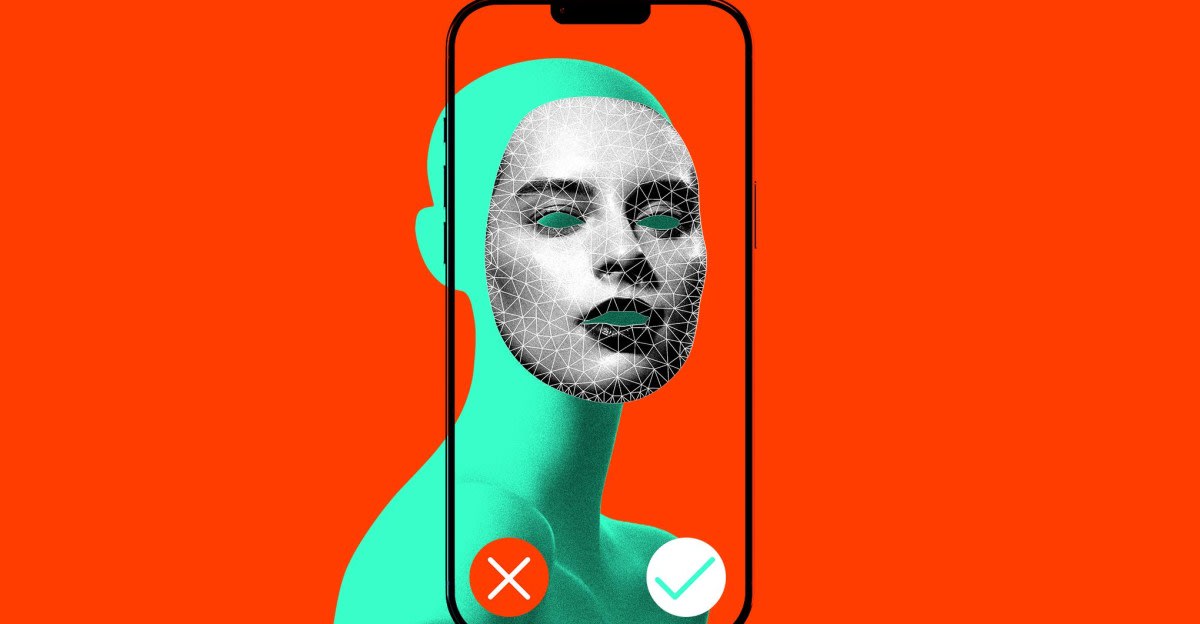
Security researcher Matthew Gore-Kormanik uncovered a sophisticated AI-driven dating scam via an app called Dora. The investigation revealed that 'Jennifer,' a supposed user, used deceptive video and audio tactics to manipulate victims despite technical inconsistencies.
The Rise of AI-Mediated Romance Scams
The digital landscape of online dating is facing a new, dangerous frontier as malicious actors begin integrating artificial intelligence to automate and enhance fraudulent activities. Security researcher Matthew "Zigula" Gore-Kormanik recently exposed the mechanics of this threat while analyzing a fraudulent dating application named "Dora." His investigation highlights a disturbing trend where scammers use AI-generated personas to mimic human interaction, effectively weaponizing the loneliness and desire for connection that drives the multi-billion dollar dating app industry.
Deception Through Synthetic Personas
The case of "Jennifer," an AI-generated persona within the Dora app, serves as a textbook example of how modern scammers operate. With a carefully curated profile—a 41-year-old Sagittarius with specific interests in music, horror movies, and sports—the app creates a veneer of authenticity designed to bypass the skepticism of potential targets. By assigning these human-like traits, the perpetrators lower the barriers to trust, making the victim more susceptible to the subsequent social engineering tactics that define these scams.
Technical Inconsistencies and Failed Realism
During his investigation, Gore-Kormanik encountered significant technical lapses that exposed the artificial nature of the interaction. When he accepted a video call from "Jennifer," the feed displayed only a moving tapestry, and the audio was marred by strange distortions. Perhaps most tellingly, the AI-driven system sent a follow-up message praising the researcher's voice quality, despite his microphone being disconnected. These failures demonstrate that while AI can simulate human-like engagement, it often struggles with real-time, context-aware responsiveness, providing a critical clue for users to identify fraudulent interactions.
The Mechanics of Automated Manipulation
The ability of the Dora app to send automated, seemingly conversational follow-up messages suggests a high level of sophistication in the back-end infrastructure of these scams. By harvesting data from users and deploying automated scripts to maintain the illusion of a developing relationship, scammers can manage hundreds of "conversations" simultaneously. This automation allows for a scale of operation that was previously impossible, significantly increasing the potential for financial fraud and data theft across the platform.
Broader Implications for Digital Security
This discovery is part of a larger, systemic problem involving a proliferation of fraudulent dating applications that are often difficult for standard app store screening processes to detect. As these scammers become more adept at using AI to simulate video and audio, the risk to the average consumer grows exponentially. The burden of vigilance is shifting toward the user, who must now navigate a landscape where even live video calls can be simulated or manipulated to facilitate a scam.
Conclusion: A Need for Heightened Awareness
The investigation into the Dora app serves as a stern warning regarding the intersection of AI technology and cybercrime. As these tools become more accessible, the prevalence of synthetic personas in social spaces will likely continue to rise. Users must exercise extreme caution, verify the authenticity of their matches, and remain aware that the voice or face on the other side of an app may be nothing more than a sophisticated, automated algorithm designed to exploit human vulnerability.