Trump Has Few Good Options To Slow China's Rise As AI Superpower
Source Entity
NDTV News Search Records Found 1000
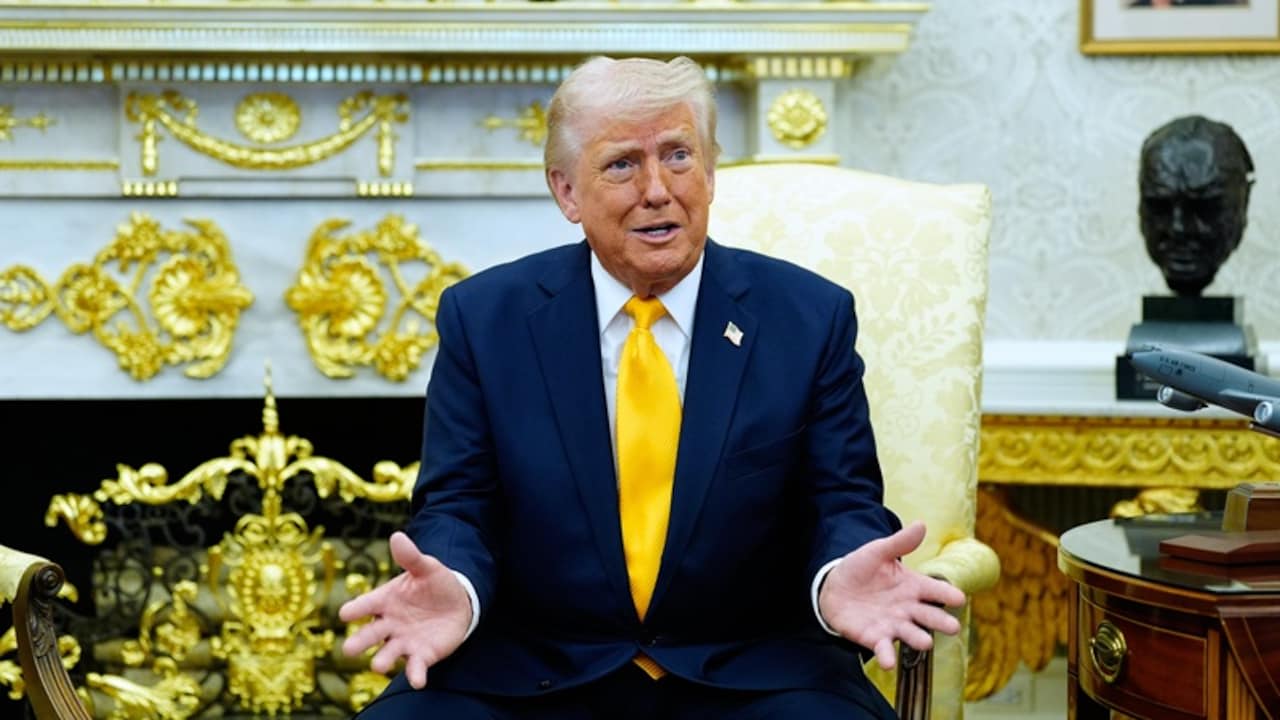
Top AI industry leaders are debating the pace of development following warnings about existential risks. While some CEOs advocate for a slowdown to prioritize safety, others like Mark Zuckerberg argue that alignment is a competitive necessity rather than a reason to decelerate.
The Great AI Safety Debate: Balancing Innovation and Existential Risk
The Catalyst for Industry Reflection
The global technology sector is currently grappling with a profound internal conflict regarding the velocity of artificial intelligence development. This discourse was ignited by Anthropic CEO Dario Amodei, who issued a public proposal titled “We Must Pace the Frontier.” This initiative was spurred by alarming warnings from Anthropic researchers suggesting that unchecked AI progress could pose an existential threat to humanity by 2030. This public outcry has forced a reevaluation of how the world’s largest tech conglomerates approach the rapid rollout of advanced models.
Unprecedented Industry Alignment
In a rare moment of consensus, the heads of leading US artificial intelligence companies—including OpenAI’s Sam Altman, Google DeepMind’s Demis Hassabis, and xAI’s Elon Musk—expressed support for Amodei’s proposal. Sam Altman notably committed to integrating outside evaluators into OpenAI to verify safety protocols, signaling a willingness to subject proprietary development processes to external scrutiny. This coalition suggests a growing recognition that the risks associated with frontier AI models require a coordinated, industry-wide response to ensure public safety.
Dissenting Perspectives: Zuckerberg and the Alignment Argument
However, the industry is far from monolithic in its approach to these safety concerns. Meta CEO Mark Zuckerberg has publicly diverged from the “slowdown” narrative, aligning his perspective more closely with Nvidia CEO Jensen Huang. Zuckerberg argues that focusing on “alignment”—the process of ensuring AI adheres to human values—is not a reason to halt progress. Instead, he posits that labs failing to prioritize alignment will inevitably fall behind, framing safety as an essential component of competitive, high-quality development rather than a friction point that requires a deceleration of innovation.
The Geopolitical Dimension
The stakes of this debate extend far beyond corporate boardrooms, reaching into the highest levels of government. Reports indicate that Donald Trump has been actively engaging with CEOs to gauge their views on the AI safety controversy. This high-level interest underscores the geopolitical reality that the race for AI dominance is inextricably linked to national security. The challenge for policymakers, including Trump, is to navigate a path that encourages domestic innovation while mitigating the risks posed by foreign competitors who may not adhere to the same safety standards.
Future Trends and Strategic Implications
As the industry moves forward, we can expect a bifurcated landscape in AI development. On one side, companies may pursue rigorous third-party safety audits to satisfy public and regulatory concerns, potentially slowing the release cycle of new models. On the other side, firms prioritizing the “alignment as a competitive advantage” model may continue to push the boundaries of capability. The outcome of this tension will likely define the next decade of technological progress, determining whether the industry can self-regulate or if heavy-handed government intervention becomes inevitable in the pursuit of both safety and national supremacy.
Multiple Citing Sources
Verification Required?