Airbnb host alleges guests vandalised property and assaulted caretaker after being asked to vacate: 'Zero civic sense'
Source Entity
Latest News: Today's Latest News Headlines from India & World | Hindustan Times | Hindustan Times
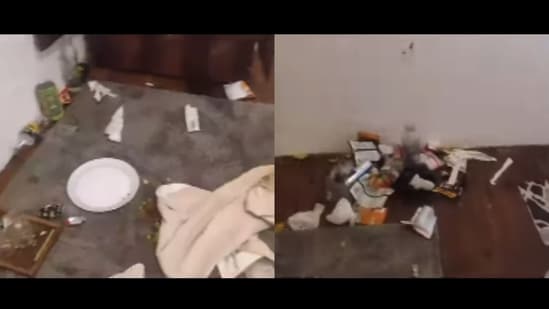
The incident came to light after the owner shared before-and-after videos showing the condition of the property following the guests' stay.
Trust and Turmoil: Analyzing the Breakdown of the Sharing Economy
In a stark reminder of the risks associated with short-term rental platforms, an Airbnb host has come forward with serious allegations of vandalism and physical violence. The incident, which centered on guests refusing to vacate a property, escalated from a contractual dispute into a criminal matter involving the assault of a caretaker. By sharing "before-and-after" video evidence, the host has highlighted a disturbing disparity between the expected conduct of a guest and the reality of the property's condition following the stay, summarizing the experience as a total lack of "civic sense."
The Erosion of the 'Trust-Based' Model
This event underscores a fundamental tension within the "sharing economy." Platforms like Airbnb were built on the premise of mutual trust and community, where strangers are welcomed into private homes under an implicit social contract of respect and care. However, as these platforms have scaled into global business behemoths, the intimacy of the "host-guest" relationship has often been replaced by a transactional, hotel-like expectation. When guests view a rental not as someone's home but as a disposable commercial space, the risk of negligence and vandalism increases. The assault on the caretaker further signifies a dangerous escalation where the boundaries of professional service and personal safety are blurred.
Legal and Platform Accountability
From a systemic perspective, this incident raises critical questions about the adequacy of guest vetting and the effectiveness of platform-provided insurance. While Airbnb offers "AirCover" to protect hosts, the emotional and psychological toll of having a home vandalized and a staff member assaulted cannot be mitigated by a financial payout. This case highlights a gap in real-time intervention; the fact that the situation escalated to an assault suggests that the mechanism for removing problematic guests is often too slow or insufficient to protect those on the ground. The reliance on post-event video evidence suggests that hosts are increasingly forced to act as their own forensic investigators to secure justice.
The 'Civic Sense' Crisis and Societal Implications
The host's mention of "zero civic sense" points to a broader sociological trend regarding the treatment of shared or rented spaces. The devaluation of property that one does not own is a recurring theme in urban disputes. In the context of high-end rentals, there is often a perceived anonymity that emboldens certain guests to disregard rules, believing that the cost of damage will simply be absorbed by a corporate entity or an insurance policy. This detachment from accountability transforms a leisure stay into a site of destruction, reflecting a worrying decline in basic etiquette and respect for the labor of those maintaining these properties.
Future Trends in Short-Term Rentals
Looking forward, this incident is likely to contribute to a shift toward more stringent security measures within the industry. We can predict a rise in the adoption of "smart-home" surveillance—such as exterior cameras and noise-monitoring sensors—as hosts seek to prevent escalations before they occur. Furthermore, there will likely be a push for more rigorous guest verification processes, potentially including government-issued ID checks or integrated credit scoring, to ensure that guests are held personally and financially accountable for their actions. The era of "open-door" trust is rapidly evolving into an era of "verified" access.
Conclusion
The allegations of vandalism and assault in this case serve as a cautionary tale for the short-term rental market. While the sharing economy offers unprecedented flexibility and income for homeowners, it also exposes them to significant personal and financial risks. The transition from a peaceful stay to a scene of violence and destruction demonstrates that without stronger enforcement of guest conduct and better protection for on-site staff, the trust that fuels the industry remains fragile. This event will likely prompt further discussions on the necessity of balancing guest privacy with the essential safety of hosts and their employees.
Verification Required?