Iran hits commercial vessel, hours later, India issues strong warning amid escalating tensions
Source Entity
Latest News: Today's Latest News Headlines from India & World | Hindustan Times | Hindustan Times
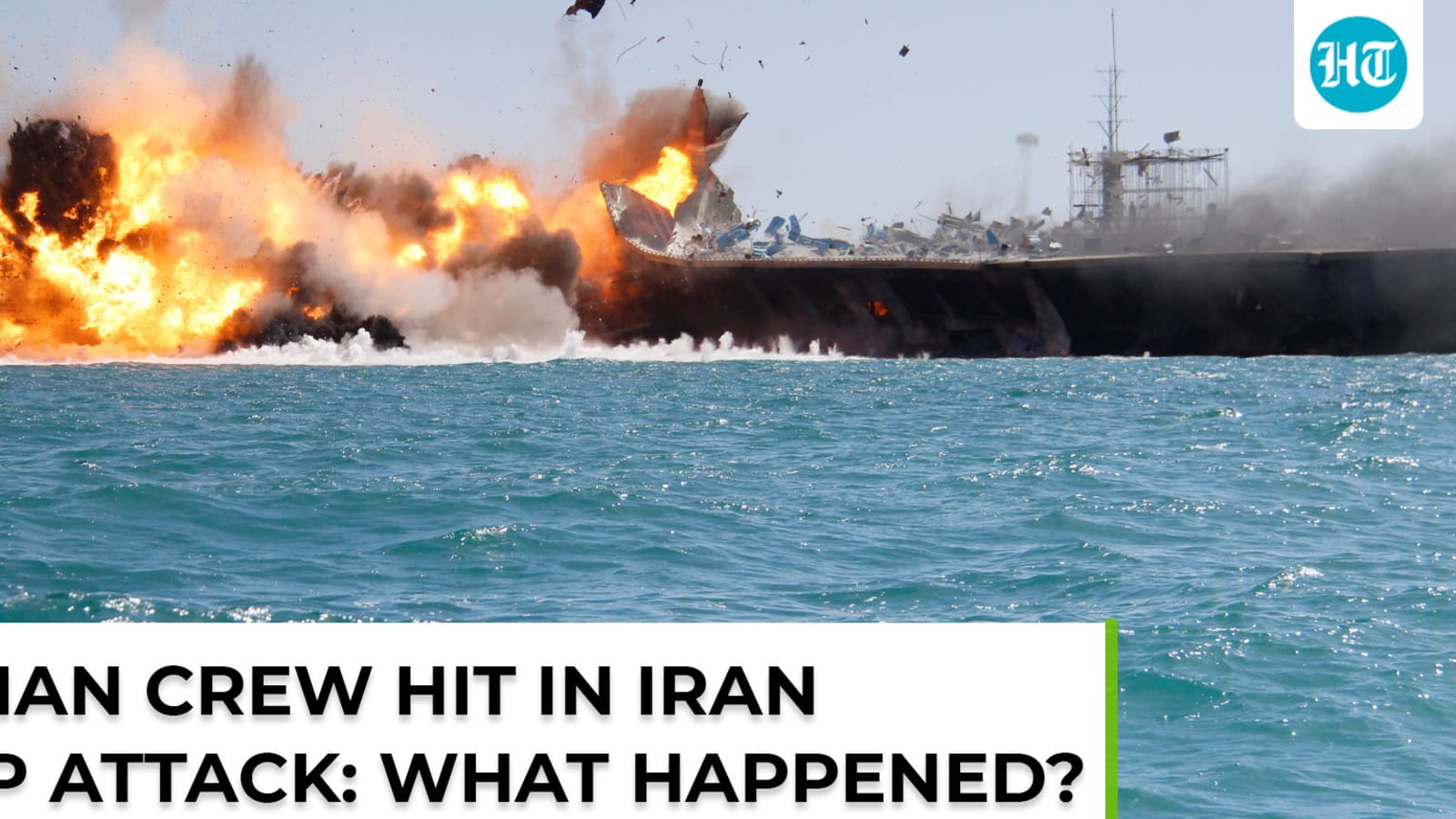
India has strongly condemned the attack on the GFS Galaxy merchant vessel off the coast of Oman, calling the incident "deeply worrisome" amid escalating U.S.-Iran tensions. New Delhi urged all parties to ensure the safety of commercial shipping and maritime routes, while reiterating the need for restraint to prevent further escalation in the strategically vital region.
Analysis of the Maritime Escalation: India's Response to the GFS Galaxy Incident
The recent attack on the GFS Galaxy merchant vessel off the coast of Oman marks a volatile escalation in an already precarious geopolitical environment. India's swift and strong condemnation of the incident, labeling it as "deeply worrisome," underscores the critical nature of maritime security in the Arabian Sea and the Gulf of Oman. This event is not merely a localized skirmish but a symptom of the broader, systemic instability characterizing the current relationship between Iran and the United States, where commercial shipping often becomes a proxy for political signaling.
The Strategic Significance of the Oman Coast
The waters off the coast of Oman serve as one of the world's most vital maritime chokepoints. The proximity to the Strait of Hormuz means that any disruption in this region has an immediate ripple effect on global energy markets. By targeting a commercial vessel like the GFS Galaxy, the incident threatens the "freedom of navigation," a cornerstone of international maritime law. For the global economy, such attacks increase insurance premiums for shipping companies and disrupt supply chains, potentially leading to inflationary pressures on oil and gas prices worldwide.
India's Economic and Strategic Stakes
India's reaction is driven by a profound need to protect its economic lifelines. A significant portion of India's energy imports and trade with East Africa and Europe passes through these specific waters. Any instability in the Oman-Iran corridor directly threatens India's energy security. Furthermore, New Delhi has been pursuing a policy of strategic autonomy, attempting to maintain functional ties with Iran while strengthening its defense partnership with the U.S. This attack puts India in a difficult diplomatic position, forcing it to balance its condemnation of Iranian aggression with the need to avoid being drawn into a direct military confrontation.
The US-Iran Tension Catalyst
This incident occurs against a backdrop of escalating tensions between Washington and Tehran. Historically, Iran has utilized the seizure or targeting of commercial tankers as a lever of power when facing stringent U.S. sanctions or diplomatic pressure. The attack on the GFS Galaxy appears to be part of this established pattern of asymmetric warfare. By creating instability in the shipping lanes, Iran signals its ability to disrupt global trade, thereby attempting to force concessions from Western powers. India's call for "restraint" is a direct appeal to prevent this bilateral friction from evolving into a regional conflict that could engulf neutral trading nations.
Implications for International Maritime Law
From a legal perspective, the attack on a merchant vessel in international or contested waters is a violation of the United Nations Convention on the Law of the Sea (UNCLOS). India's insistence on the safety of commercial shipping routes is a reinforcement of the global norm that civilian vessels should be exempt from geopolitical conflicts. If such attacks become normalized, the risk of "miscalculation"—where a commercial incident triggers a military response—increases exponentially, potentially leading to a full-scale naval blockade or kinetic warfare in the region.
Conclusion and Future Outlook
In summary, the attack on the GFS Galaxy is a stark reminder of the vulnerability of global trade to regional power struggles. Moving forward, it is likely that India will increase its naval presence in the Arabian Sea to ensure the safety of its flagged vessels and those of its partners. While diplomatic channels will be used to urge restraint, the trend suggests a period of heightened alert for all commercial shipping in the region. The long-term stability of the region depends on whether the U.S. and Iran can find a diplomatic off-ramp, as the collateral damage—borne by merchant vessels and neutral nations like India—continues to mount.
Verification Required?